GIZ and Thyssenkrupp nucera Accelerate Green Hydrogen Production in India
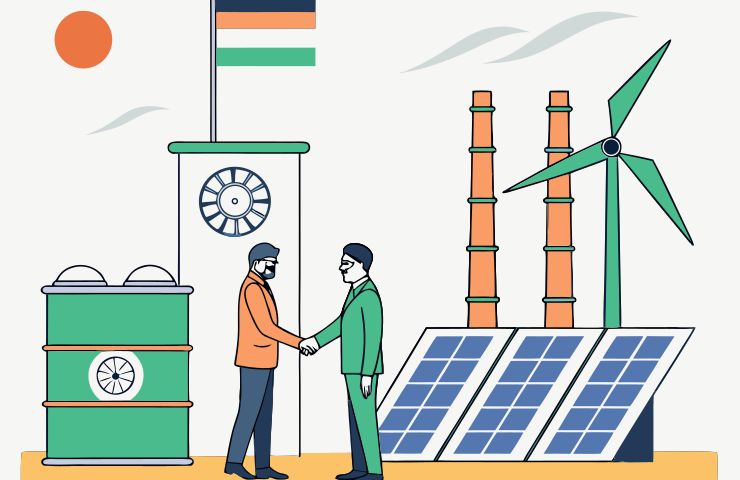
February 5, 2026This month at India Energy Week in Goa, you might’ve caught GIZ and Thyssenkrupp nucera teaming up to turbocharge India’s green hydrogen scene. Under the umbrella of the International Hydrogen Ramp-Up (H2Uppp) program—backed by the Bundesministerium für Wirtschaft und Energie (BMWE)—they’re blending German know-how in development with cutting-edge electrolysis tech to tackle the big hurdles in building out India’s hydrogen economy.
Partnership Framework
It’s a powerhouse pairing: GIZ, led by project guru Regine Dietz, brings years of international cooperation experience, market analysis chops and a knack for rallying local players—think state energy departments, industrial consortia and financiers. On the other side, Thyssenkrupp nucera leans on 60-plus years of designing and building electrolyzer systems, leveraging insights from its Indian chlor-alkali operations. Funding and policy guidance flow from BMWE, with Gunter Grathwohl spotlighting Germany’s aim to marry private-sector excellence with India’s breakneck industrial growth. They’re kicking off with a deep dive into India’s renewable hotspots and industrial hubs, laying out transparent cost projections and blueprints for roll-out across multiple states. By fusing best-practice development methods with proven tech expertise, the goal is to deliver bankable green hydrogen projects that both domestic and international investors can’t resist.
Driving Technology
At the core of the partnership is electrolysis—using electricity to split water into hydrogen and oxygen. Hook that up to solar or wind power, and you get clean, zero-emission green hydrogen. Thyssenkrupp nucera is supplying both advanced alkaline electrolyzers, which shine at scale, and flexible polymer electrolyte membrane (PEM) units that handle the ebb and flow of renewable energy. Beyond pure hydrogen, they’ll explore Power-to-X routes—turning excess solar and wind juice into storable chemicals or synthetic fuels. That kind of versatility is a game-changer on a grid where supply and demand can swing wildly. Sure, electrolyzers have proven their mettle in industrial settings, but rolling them out cost-effectively across India’s diverse landscapes is a fresh challenge. The teams will map out technical, regulatory and logistical needs, creating a clear blueprint to smooth future hydrogen infrastructure rollouts.
Aligning with National Goals
India’s National Green Hydrogen Mission sets lofty targets for hydrogen production, domestic use and even clean-hydrogen exports. Regions like Gujarat, Rajasthan and Tamil Nadu—bathed in sun and wind—are prime real estate for powering electrolyzers. But market fragmentation and regulatory gaps have held projects back. That’s where the GIZ–Thyssenkrupp nucera team steps in: they’ll map local opportunities, channeling investment into ventures that align with state policies, national incentives and the needs of big industrial users in fertilizers, steel and refineries. Kiran Paul Joseph, CEO of Thyssenkrupp nucera India, stresses that supply chains, land availability and grid connectivity are just as critical as the technology. Their workshops will bring together energy ministries, regulators and potential end-users to co-create solid, bank-ready proposals. This hands-on approach should fast-track commercial deployments, boost India’s broader decarbonization drive and lay the groundwork for future green hydrogen export corridors.
Strategic Implications
For Germany, this partnership cements a first-mover advantage in one of the world’s fastest-growing hydrogen markets and underscores its leadership in hydrogen infrastructure. It opens doors for German equipment manufacturers and service providers to plant roots in India’s green value chain. On the flip side, Indian industries gain access to mature electrolyzer designs and performance data, cutting dependence on imported grey hydrogen and fossil fuels. Meanwhile, GIZ enriches its portfolio of sustainable energy projects in the Global South, proving how development agencies can spark private-sector investment. This collaboration also signals to global investors that India’s ready for competitive green hydrogen auctions. If successful, the model could be replicated in Africa and Southeast Asia, where renewable potential is huge but under-utilized, creating a replicable playbook for cross-border clean energy cooperation.
Collateral Benefits and Broader Impact
Beyond immediate project planning, the partnership will boost market clarity by publishing detailed cost models, tariff scenarios and risk assessments. GIZ-led workshops will unpack key cost drivers, pricing benchmarks and partnership hotspots, while Thyssenkrupp nucera will issue technical guides on site selection, water sourcing and grid integration. As supply chains mature, local manufacturing of electrolyzer components could spark new jobs in engineering, fabrication and services. Industrial clusters reliant on fossil hydrogen—refineries, fertilizer plants, steel mills—could decarbonize faster, cutting CO₂ and meeting emerging carbon regulations. On the policy side, insights might shape India’s green certificate schemes, hydrogen pricing frameworks and cross-border trade agreements, and could accelerate standards for hydrogen quality, transport and safety. Over time, success here could light the way for similar hydrogen ecosystems globally, amplifying the impact of German-Indian collaboration and pushing forward global sustainable energy goals.
Forward-Looking Outlook
The immediate deliverable is a thorough market analysis and a set of scalable deployment models—bridging the gap between pilot projects and full-scale commercialization. Next up, partners will scout flagship demonstration sites, from off-grid solar-plus-electrolyzer mini-grids to industrial hubs with large-volume hydrogen offtake. Their findings will shape financing strategies tapping green bonds, climate funds and concessional loans, while policy dialogues between German and Indian regulators aim to harmonize grid interconnection standards, certification norms and export logistics. If executed effectively, this cooperation could supercharge India’s National Green Hydrogen Mission, catalyze private investment and produce a blueprint for zero-emission energy transitions worldwide. In the coming months, all eyes will be on how quickly these strategic plans turn into operational assets—and whether the GIZ–Thyssenkrupp nucera model can be the spark for a global clean energy revolution.
 With over 15 years of reporting hydrogen news, we are your premier source for the latest updates and insights in hydrogen and renewable energy.