Green Hydrogen: Electric Hydrogen Secures 240MW Texas Ammonia Deal
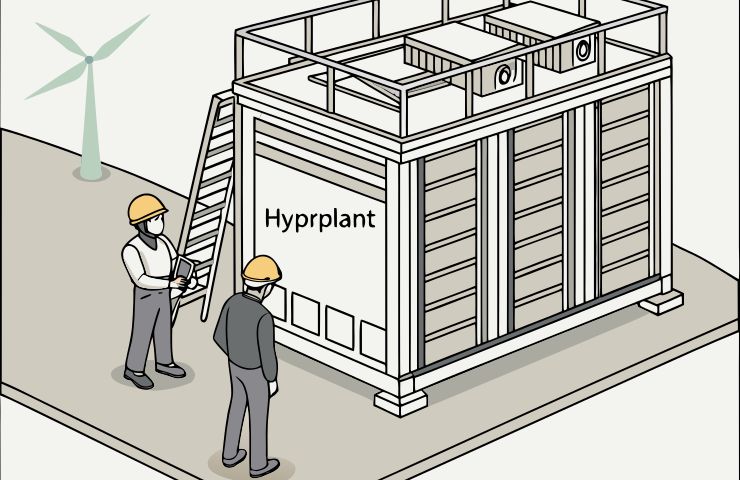
December 21, 2025Imagine the Lone Star spirit crashing headlong into the frontier of green hydrogen innovation. Picture a neat row of skids—industrial platforms bristling with pipes, cables, and gleaming control panels—sliding into place on a windswept Texas desert pad. That’s the snapshot as Electric Hydrogen gears up to roll out its modular HYPRPlant units for Synergen Green Energy. These factory-built electrolysis blocks will generate enough hydrogen to support 210,000 tons of ammonia production each year, powered entirely by solar and wind. It’s a vivid sign that hydrogen production is stepping out of pilot programs and into big-league boardrooms, charting a path for fossil-free fertilizer and marine fuels right from Texas.
A Clean Ammonia Charge in the Lone Star State
On December 18, 2025, Texas claimed its spot on the map for large-scale hydrogen. Houston’s own Synergen Green Energy tapped Electric Hydrogen in Massachusetts to tackle front-end engineering and design (FEED) on two 120 MW HYPRPlant modules—240 MW total. When these plants come online around late 2028, they’ll crank out enough green hydrogen to power roughly 210,000 tons of ammonia production annually. From there, the green ammonia heads to Europe and Asia, fueling a big push to cut emissions in shipping, chemicals, and agriculture as part of broader industrial decarbonization.
Peeling Back the Technology
Get under the hood of a HYPRPlant, and you’ll find state-of-the-art PEM electrolysis stacks turning water and electrons into ultra-pure hydrogen. Unlike older alkaline systems, proton exchange membranes can react on the fly to ups and downs in renewable power, syncing seamlessly with wind farms and solar arrays. Each 120 MW unit arrives pre-wired, pre-piped, and pre-tested on factory-built skids, slashing on-site assembly time and cutting installed costs by about 60%. And if something goes off script, you swap out an entire skid instead of dismantling an array. At peak output, one block can crank out around 50 tons of hydrogen a day—enough to feed a major ammonia cracker in a surprisingly tight footprint.
Why Businesses Are Betting Big
This contract marks Electric Hydrogen’s third U.S. industrial-scale electrolyzer win in under two years, adding to alliances with Infinium and HIF Global. It cements their track record for delivering giga-class PEM plants. From Synergen’s perspective, standardizing on modular skids is the ticket to hitting sub-$1,000-per-kilowatt installed costs—an aggressive target that could push green ammonia into competitive territory against “grey” ammonia today, not decades down the road. CEO Pranav Tanti imagines a global network of plug-and-play ammonia hubs that can deploy in months instead of years, reshaping the forecast for investors and regulators. It’s factory-scale efficiency transforming a traditionally capital-heavy industry.
Turning the Page on History
Electric Hydrogen traces its roots to a 2020 spin-out from a Harvard lab, born to halve the cost of electrolyzers. Their first gigawatt ambitions kicked off with a 1 MW pilot in California in 2022, followed by a “Pioneer” 1 MW demo, setting the stage for commercial 100 MW builds in 2024. Meanwhile, U.S. policy—think the Inflation Reduction Act and DOE hydrogen hub grants—has poured fresh capital into clean hydrogen. Texas jumped in fast, leveraging existing energy infrastructure to pivot from natural gas to zero-carbon fuels. This fusion of tech innovation and policy muscle is shaking up the playbook for industrial decarbonization.
Texas: An Energy Powerhouse
So, why Texas? Beyond its legendary oil-and-gas heritage, the state boasts some of the nation’s best renewable resources—wind corridors that stretch for miles and sun-soaked plains ideal for solar arrays. Throw in pipelines, ports, rail networks, and a skilled workforce, and you’ve got an ecosystem primed for hydrogen production. Local utilities are already experimenting with grid flexibility to absorb gigawatts of renewables, making it feasible to power electrolyzers without toppling the system. Think of it as retrofitting a muscle car—you swap in an electric motor but keep the same chassis. Texas has the chassis; now it’s electrifying the powertrain.
Broader Ripples
Zoom out, and you’ll see this project’s impact goes far beyond a single desert pad. Green ammonia is one of the few zero-carbon energy carriers that can hop on existing shipping lanes, making long-distance transport a breeze. Ports in Rotterdam, Singapore, and beyond could import this clean cargo to power engines or crack it back into hydrogen for industrial centers. In farming, ammonia is the linchpin for fertilizers—replacing grey ammonia could shave off almost two tons of CO₂ for every ton produced. Industries stuck on high-temperature processes—steel, cement, heavy transport—can pivot to ammonia-derived hydrogen or even burn ammonia directly. Each skid hung, each ton shipped, nudges the global economy closer to net-zero. It’s the energy punch of diesel, but with water as the only byproduct.
Next Steps and Open Questions
Now, all eyes are on 2026 for the final investment decision—if that greenlights full operations by late 2028. Synergen Green Energy is lining up renewable power agreements and locking in offtake deals that hinge on ammonia hitting price parity with fossil-based fuel. But there are hurdles: can global supply chains scale up PEM stack materials quickly enough? Will local grids beef up storage or reroute excess renewables to electrolyzers during low-demand windows? And perhaps most important—how will policy evolve? The initial tax credits gave this effort a lift, but lasting growth may depend on carbon pricing or blending mandates. Those puzzle pieces will decide if Texas’ template becomes the global standard.
Make no mistake—this isn’t just another pilot scheme; it’s a coming-of-age moment for modular electrolyzer plants. When Electric Hydrogen and Synergen Green Energy flick the switch, they’ll be testing a blueprint that could roll out across continents. The real question isn’t “Can we build these units?” but “How fast can we unleash gigawatts of green hydrogen?” If Texas lights the way, the rest of the world won’t be far behind.

 With over 15 years of reporting hydrogen news, we are your premier source for the latest updates and insights in hydrogen and renewable energy.