
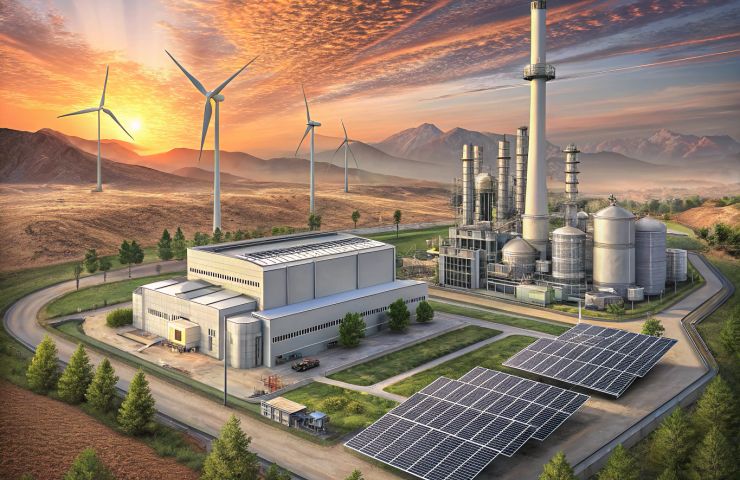
Green Hydrogen Fuels L.A.’s Coal-Free Grid with Utah and Scattergood Projects
December 8, 2025Mayor Karen Bass has proudly announced that Los Angeles’ power grid is fully divested from coal. It’s a huge leap on the road to 100% clean energy by 2035, and it wouldn’t have happened without two trailblazing hydrogen projects: the revamped Intermountain Power Project (IPP Renewed) in Utah and the local overhaul of the Scattergood Generating Station in west L.A.
From Coal to Combined-Cycle: IPP Renewed’s Transformation
Originally fired up in the 1980s as a coal plant, the Intermountain Power Project has been given a new lease on life through IPP Renewed. Today’s sleek combined-cycle turbines run on natural gas but are primed to mix in up to 30% green hydrogen straight away, with eyes on hitting 100% hydrogen down the line. Power starts streaming to L.A. in late 2025, backed by on-site hydrogen production via electrolysis powered by renewables—and tucked away safely in giant underground salt cavern storage. Forbes even called it one of the planet’s biggest green hydrogen power and storage hubs, providing that all-important multi-day buffering to even out wind and solar ups and downs.
Scattergood’s Hydrogen-Ready Makeover
Back in the City of Angels, the Los Angeles Department of Water and Power (LADWP) okayed nearly $800 million to transform Units 1 and 2 at Scattergood into a nimble rapid-response combined-cycle setup. Work kicks off in early 2026 through late 2029, swapping out old boilers for turbines that’ll burn a mix of natural gas and at least 30% green hydrogen whenever the grid needs a boost—think peak demand, cloudy days, or transmission hiccups. Unlike the old baseload units, these will be more like the grid’s trusty backup, kicking in only when we really need that firm, dispatchable capacity.
Renewables, Storage and the 60% Clean-Energy Mark
Meanwhile, big front-of-meter projects—like the Eland Solar-plus-Storage Center—helped push L.A.’s clean-power share past 60% in 2025. But as solar and wind punch above their weight, we still need rock-solid backup. Enter hydrogen-capable plants and long-duration hydrogen storage, ready to cover those multi-day lulls that batteries alone just can’t handle.
Exploring Alternatives: The NREL Study
With an eye on a zero-carbon future (minus any combustion), the National Renewable Energy Laboratory (NREL) ran a study for the City Council. They pitted the hydrogen-ready Scattergood plan against other choices—fuel cells, beefed-up batteries, demand response, and fresh transmission lines—showing there’s more than one technical path to keeping the lights on.
Economic and Environmental Trade-Offs
These twin ventures gulp down billions in investment and are sparking a regional hydrogen infrastructure boom—from electrolyzer factories to turbine retrofits and storage builds across Utah and California. They’ll slash greenhouse gas emissions by kicking coal to the curb, but since they still burn some natural gas, we won’t see zero emissions overnight. Neighbors have raised air-quality concerns—especially about NOₓ from hydrogen blends—and regulators are digging into water consumption for electrolysis and new safety rules around moving hydrogen.
Global Implications and Market Signals
By scaling green hydrogen from lab demos to the grid, L.A. is sending turbine makers and utilities a clear message: “We want hydrogen-capable kit.” If it proves reliable and wallet-friendly, coal-heavy regions worldwide might follow suit. If hurdles like cost, emissions controls, or resource strain trip us up, other zero-emission options could steal the spotlight.
As Los Angeles kicks off its coal-free chapter, all eyes will be on IPP Renewed and Scattergood. Their wins—and what we learn when things don’t go perfectly—could show whether green hydrogen really is a cornerstone for a resilient, sustainable energy future in our cities.
 With over 15 years of reporting hydrogen news, we are your premier source for the latest updates and insights in hydrogen and renewable energy.
