
Green Hydrogen Generation: Keele University’s Campus Hub Pioneers Renewable Energy Storage
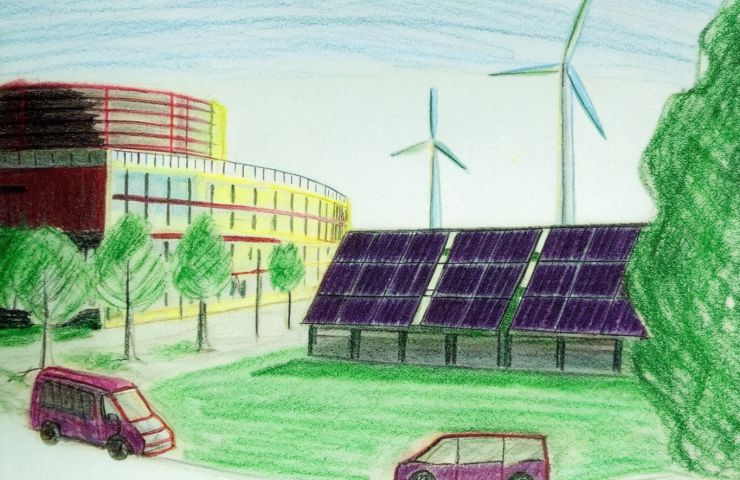
January 15, 2026Earlier this month, Keele University flipped the switch on its brand-new Green Hydrogen Generation Hub (GH2), tucked away in its picture-postcard Staffordshire campus. Featuring two sleek wind turbines, a sea of 12,200 solar panels, and top-notch electrolyser technology, this place isn’t just daydreaming about a hydrogen-powered future—it’s living it. In essence, it snags gusts and sunshine, morphs them into hydrogen, then channels that zero-emissions fuel into campus shuttles and busy research labs. That’s green hydrogen generation in action.
Could this be the blueprint for the hydrogen economy?
What really sets GH2 apart is its all-in-one approach. While some projects rely on trucking hydrogen across counties, Keele’s setup nips that in the bud. Whenever the turbines and panels produce more energy than the campus can chomp through, the surplus flows straight into the electrolyser. There, water molecules split into oxygen—which drifts off safely—and hydrogen, which gets tucked away in storage. Later, that homegrown fuel can be tapped for hydrogen vehicles, power lab experiments, or even feed back into local grids thanks to smart renewable energy storage tactics.
Perched in the Midlands, Keele’s campus sits smack-dab in an area primed for more hydrogen action. Under the umbrella of the HyDEX initiative, local businesses and councils have already sketched blueprints for new pipelines, upskilling efforts, and supply chains built around clean energy. GH2 isn’t just a campus plaything—it’s a full-blown partner in the region’s energy makeover.
Why Keele is Leading the Charge
This hasn’t been a spur-of-the-moment stunt. Keele’s been knee-deep in low-carbon research for years. Back in 2019, they ran the world’s first live gas grid blending trial—HyDeploy—to prove existing pipelines can safely handle hydrogen. Next up was HyDEX, a Midlands-focused pilot laying the tracks for a broader hydrogen market. GH2 is where all those experiments graduate: it’s the first time the university’s cranking out full-scale, on-site green hydrogen generation.
I grabbed a coffee with Dr Charlie Creissen, the Senior Lecturer in Electrochemistry who helms HyDEX. He called GH2’s launch “a watershed moment on our journey to a sustainable future, offering real-world insights on how to scale up hydrogen production.” He reckons that watching hydrogen come to life—in real time, on the university lawn—is the sort of data policymakers and engineers can’t ignore.
Beneath the Hood: How the Hub Works
- Electrolyser Technology: The beating heart of GH2 is a device that uses electricity to split water into hydrogen and oxygen. Powered entirely by renewables, it creates true green hydrogen—a clean, zero-emissions fuel ready to roll.
- Smart Energy Network Demonstrator (SEND): Keele’s in-house energy brain that juggles every single watt. When wind or solar output spikes, SEND reroutes extra juice straight into the electrolyser, making the most of each gust and ray.
- On-Site Renewable Generation Park: Two towering wind turbines and 12,200 solar panels that work in harmony: sometimes the wind leads, sometimes the sun, but they always keep GH2 humming.
- Hydrogen Storage and Use: Once generated, hydrogen gets stuffed into high-pressure tanks, ready for action. Two Toyota Mirai hydrogen vehicles already sip this homegrown fuel, leaving nothing but a puff of water vapor in their wake.
Key Players and Partners
The launch felt like a who’s who of the hydrogen scene. Professor Mark Ormerod OBE, Keele’s Deputy Vice-Chancellor and Provost, hailed GH2 as “a thrilling leap forward for our community and for the wider energy sector,” noting how it underpins the university’s own net-zero goals.
Baroness Luciana Berger, Chair of the Energy Storage Association and former Shadow Minister for Energy and Climate Change, was on hand to cheer things on. “Innovation like this is exactly what we need worldwide to tackle the climate crisis,” she said. Officials from the Department for Energy Security and Net Zero also took part, signaling strong policy backing for projects that bridge research and real-world impact.
Industry backers didn’t want to miss out, either. Toyota rolled in with a pair of Mirai cars to showcase hydrogen mobility’s promise, while JCB and Lucideon turned up eager to explore new equipment, materials, and infrastructure for the hydrogen age.
Beyond the Buzzwords: Real Benefits
It’s easy to drown in technical jargon, so here’s the bottom line on why GH2 really matters:
- Climate Mitigation: Swapping out fossil fuels in transport, heating, and industry could slice greenhouse gas emissions dramatically.
- Renewable Energy Storage: Wind and solar often produce more power than the grid can handle. Converting that surplus to hydrogen gives us round-the-clock energy availability.
- Scalability Insights: The data GH2 generates will help engineers design larger, more cost-effective hydrogen production facilities.
- Energy Independence: On-site generation means less reliance on imported hydrogen, boosting local resilience and security.
- Supply Chain Growth: Collaborations with JCB, Lucideon, and others are laying the foundation for a thriving hydrogen economy in the Midlands and beyond.
- Education and Skills: Students and staff get hands-on experience, nurturing the next wave of energy innovators.
Looking Ahead: The Future of GH2
Keele’s not about to rest on its laurels. Future plans include exploring long-duration hydrogen storage, testing new electrolyser materials, and even blending green hydrogen back into local gas grids—building on the HyDeploy trial’s success. Researchers will tinker with next-gen catalysts, corrosion-resistant alloys, and smarter controls that could shrink costs and boost efficiency.
Meanwhile, policymakers are watching closely. With the UK government’s hydrogen strategy aiming for gigawatts of electrolyser capacity by decade’s end, hubs like GH2 offer vital lessons. When teams from the Department for Energy Security and Net Zero toured the site, they weren’t just there for the photo ops—they were gathering intelligence on safety protocols, cost drivers, and community engagement strategies that could shape national regulations.
On the academic side, students have a front-row seat. Undergraduates in labs, postgrads on research projects, and vocational trainees all get hands-on with real-world hydrogen production. It’s one thing to study fuel cells in a lecture; it’s another to hear one purr to life when you press the start button yourself.
Can Other Institutions Follow Suit?
Honestly, Keele might have stumbled onto a winning template. By weaving together renewables, an electrolyser, storage, and vehicles all on one campus, they’re proving a full-cycle hydrogen ecosystem can thrive at a manageable scale. For any region blessed with wind and sun, copying GH2’s model could be a total game-changer.
All told, Keele’s Green Hydrogen Generation Hub is a vivid reminder that tackling climate change isn’t about pie-in-the-sky ideas—it’s about rolling up our sleeves and testing solutions right where we live. Keep an eye on Staffordshire; the blueprint they’re crafting could very well power the world.

 With over 15 years of reporting hydrogen news, we are your premier source for the latest updates and insights in hydrogen and renewable energy.