
Green Hydrogen Locomotive Revolution: India’s 3,100 HP Fuel Cell Hybrid Engine Leads the Charge
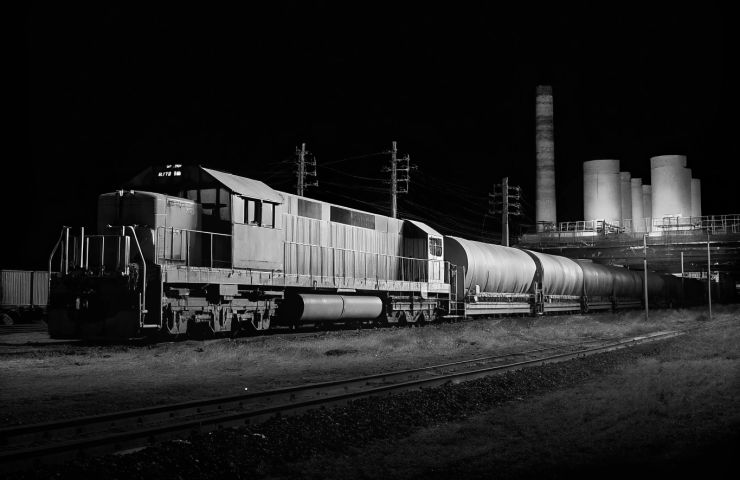
January 22, 2026Right in the heart of Chhattisgarh’s coal belt, at the massive NTPC Sipat Super Thermal Power Station, something exciting is unfolding. We’re talking about a green hydrogen locomotive that could revolutionize how we move heavy freight on rails. Instead of starting from scratch, the plan is to breathe new life into an old diesel engine—upgrading it to a 3,100 HP hydrogen fuel cell locomotive with a battery boost for peak power. It’s more than a retrofit; it’s a sneak peek at tomorrow’s sustainable rail technology.
A Bold Leap in Chhattisgarh’s Coal Heartland
Just this month, Advanced Rail Controls Private Limited—all set up under Concord Control Systems Limited—landed a ₹47 crore order from NTPC Limited. That deal covers everything: the plants, the gear, you name it, to turn a run-of-the-mill diesel locomotive into a 3,100 HP green hydrogen locomotive hybrid, battery backup and all. And they’ve got just 18 months to pull it off. It’s a daring stamp on India’s net-zero rail ambitions by 2030, and a proud win under the Make in India banner.
Powering Ahead: 3,100 HP Green Hydrogen Fuel Cell Hybrid
So, how does this 3,100 HP powerhouse actually work? First, green hydrogen is whipped up on-site through electrolysis. That pressurized H₂ then streams into fuel cells, marrying with oxygen to spark electricity—no carbon footprint in sight. From there, traction motors turn that juice into serious torque, and a beefy battery pack chips in when you need a burst of extra oomph. The upshot? Zero diesel guzzling, a steady 3,100 horsepower, and nearly double the muscle of older pilots, which hovered around 1,600 HP.
Collaboration Driving India’s Energy Transition
Of course, this isn’t a one-person show. Concord Control Systems veterans Gaurav Lath and Nitin Jain have poured decades of rail R&D and control-system expertise into making it happen. Over at NTPC, Ritwick Ghosh has been the green hydrogen evangelist, pushing it as a linchpin for India’s sweeping energy transition. It’s public and private teams syncing up perfectly—exactly what the Make in India mantra is all about, and a real showcase for homegrown ingenuity.
Scaling Up for a Net-Zero Rail Network
Remember, Indian Railways isn’t small fry—it’s among the planet’s biggest rail networks, and it’s eyeing net-zero by 2030. The Sipat retrofit is rewriting the rulebook for coal-haul trains, slashing emissions that once clocked in at hundreds of grams of CO₂ per kWh. And Concord’s not stopping there: a ₹56.58 crore wireless control system order from Indian Railways last December bumped their order book over ₹450 crore. These milestones point to a real groundswell for cleaner, smarter rail tech.
A Glimpse into the Future of Sustainable Rail
As this hydrogen marvel gears up for its maiden run, the buzz isn’t just confined to Chhattisgarh. India’s push to kick diesel to the curb will fire up local green H₂ plants, fueling fresh demand. And Concord’s already eyeing the next play: beefed-up models for other heavy-haul routes, plus potential exports to Europe, Japan, even Australia. Sure, calling it the “world’s most powerful” hydrogen locomotive might need a third-party nod, but there’s no doubt it could be a real game-changer on tracks worldwide.
Driving Positive Impact—and Facing New Challenges
It’s not just about chopping emissions, either—it’s a live lab for hydrogen infrastructure. Think on-site electrolyzers, compressors, and refueling hubs that’ll teach us what works (and what needs tweaking) for the next wave. Sure, building a nationwide H₂ supply chain with ironclad safety rules is no picnic, but a successful Sipat pilot is already sparking designs for a wider hydrogen refueling grid. So these hydrogen fuel cell locomotives can truly roam free.
Economic Uplift and Market Momentum
Investors are already cheering—when the news broke, Concord Control Systems’ shares nudged up 0.61%, closing at ₹2,475. But the upside goes way beyond stock charts. We’re looking at hundreds of skilled jobs, from control-system whizzes to electrolyzer techs. Local vendors are dusting off their order books, and training institutes are lining up courses to equip workers for the coming green hydrogen boom.
Global Partnership Outlook
But why stop at Indian soil? Concord’s been in early chats with top European rail operators and Japanese coach-makers to tweak its 3,100 HP platform for foreign lines. Down under, Australia’s iron-ore routes are itching to try it, too. If these talks bear fruit, India could soon be exporting its green hydrogen locomotive tech, sparking a fresh era of eco-friendly trade links across the globe.
Charting the Path Forward
At the end of the day, the Sipat project is more than just a train makeover—it’s a statement that India’s innovation engine is revving at full throttle. With NTPC and Concord Control Systems steering the way, we’re on the cusp of a cleaner, greener freight era. This is India staking its claim as a leader in sustainable rail technology, supercharging a homegrown green hydrogen economy, and giving the world a front-row seat to rails powered by water-splitting wizardry. If that doesn’t scream “future,” we don’t know what does.
 With over 15 years of reporting hydrogen news, we are your premier source for the latest updates and insights in hydrogen and renewable energy.