Green Hydrogen Pipeline Brings Rotterdam Closer to Europe’s Energy Future
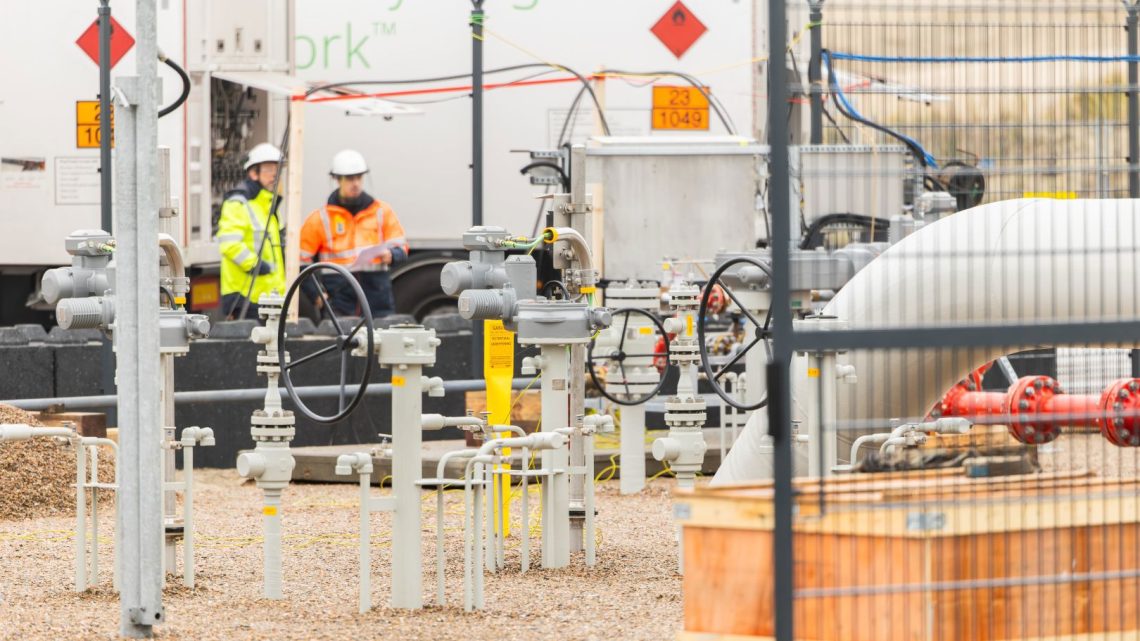
February 3, 2026We’re thrilled to share that Gasunie, via its new offshoot Hynetwork, and our friends at Plug Power Inc., have just pumped 32 tonnes of RFNBO Green Hydrogen into the first 32-kilometer stretch of the Dutch national Green Hydrogen Pipeline. This milestone isn’t just about shoving molecules underground—it’s a major stride for the Rotterdam Energy Hub and bows perfectly to Europe’s big Decarbonization Europe ambitions, giving our continent’s hydrogen push a real shot in the arm.
Solving Real-World Problems with Clean Hydrogen
If you peek at Rotterdam’s heavy industries—from the Pernis refineries to sprawling chemical plants—they’ve been hooked on fossil-based feedstocks for ages. Switching to hydrogen could chop their CO₂ output, but getting renewable hydrogen at scale needs solid pipes. The game plan is straightforward: use renewable electricity to split water into hydrogen and oxygen via electrolyzers, lock in that RFNBO Green Hydrogen certification under EU rules, and whisk it straight through underground lines to industrial hubs. No detours, no extra emissions. It’s a direct line to swap out natural gas in heating and as feedstock, knocking pollution down in real-world operations.
Collaborative Innovation in Action
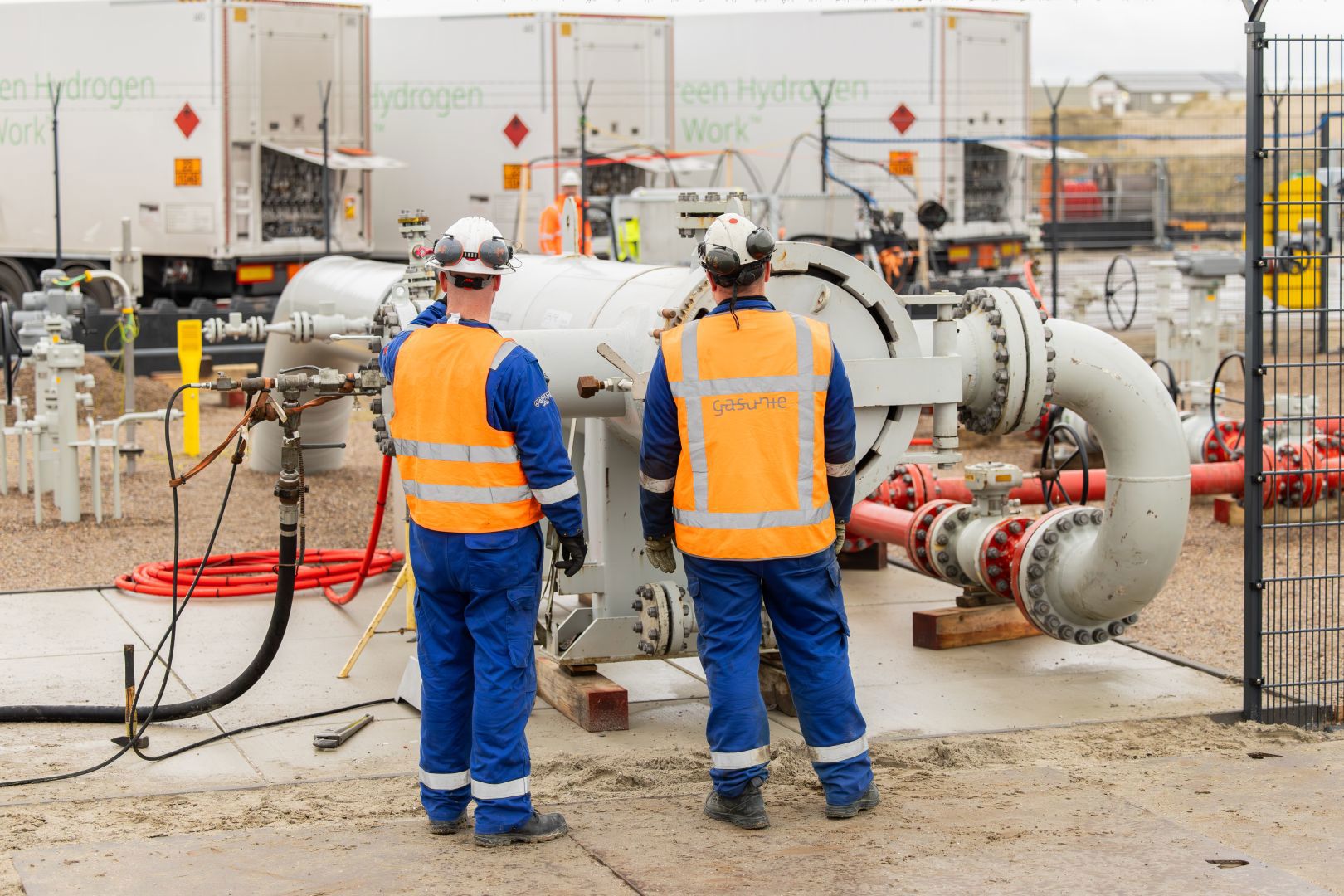
Making this vision a reality called for niche expertise. Via public procurement, we tapped Plug Power Inc. to develop our unloading and commissioning setup. Their engineers whipped up a custom manifold that links three MEGC trailers at once, slashing fill times. High-purity green hydrogen from northern Germany flows through this rig at impressive rates, showing how teamwork can clear logistical hurdles and meet industrial demands head-on. It’s innovation with its sleeves rolled up.
Made in the Netherlands, Made for Europe’s Future
Since its 2023 launch, Hynetwork has been all about rolling out a 1,200-kilometer hydrogen backbone—tying together production sites, import terminals, and storage. We’re reworking parts of legacy natural gas corridors and laying new segments where needed, leaning on Dutch engineering chops and local suppliers. It’s a genuine homegrown effort, turbocharged by in-country know-how and optimized for Europe’s future Hydrogen Infrastructure needs.
Tapping into Port of Rotterdam Expertise
Rotterdam is a spiderweb of shipping lanes, roads, railways, and buried utilities. Threading a hydrogen pipeline through this maze without slowing the port is no picnic. We leaned on trenchless boring techniques and stayed in lockstep with port authorities, making sure cargo operations never skipped a beat. This logistical nimbleness underscores why the Rotterdam Energy Hub remains the go-to proving ground for large-scale energy builds.
Turning Plans into Pipelines
Too often big projects stall on paper. Not this time. We broke ground last year, wrapped mechanical installs by late summer, then blitzed through pressure and safety checks. Early in the year, trial injections under live conditions put the system through its paces. Now, with this first 32-kilometer fill under our belt, we’ve entered commissioning—where blueprints morph into operating reality.
Building a Gateway for Decarbonization
With this segment live, Rotterdam cements its status as Europe’s hydrogen gateway. Our eyes are already on linking up to Belgium and Germany via the Delta Rhine Corridor, stitching together production hubs, import terminals, and underground storage. This cross-border web syncs up with the European Hydrogen Backbone initiative, aiming to balance supply region by region and turbocharge industrial Decarbonization Europe-wide.
Supporting Regulatory Framework
Great Hydrogen Infrastructure thrives on clear rules. Regulators are hammering out tariffs, safety protocols, and certification standards at both national and EU levels. Our final go-ahead hinges on these frameworks getting ratified—so downstream users can confidently book capacity and nail down their hydrogen plans.
Local Impact and Economic Upside
Beyond slashing emissions, this project’s a job-creation engine. Scores of welders, pipeline engineers, logistics pros, and safety officers rolled up their sleeves during construction. Vocational schools in the region are already offering hydrogen safety and maintenance courses to meet demand. Key parts—like high-pressure valves and monitoring sensors—came from local suppliers, beefing up European supply chains and sparking growth in the clean-tech sector.
This first fill proves the concept, but we’re still waiting on final safety green lights and regulatory clearances before full-scale delivery kicks in. Once we’re in full service, companies in Pernis and beyond will be able to tap into green hydrogen at scale. And that’s just the beginning. Gasunie and Hynetwork plan to stretch this network over 1,200 kilometers, forging links with partners across borders. By turning ambitious hydrogen roadmaps into underground reality, we’re laying the groundwork for a carbon-neutral industrial landscape across Europe. This milestone showcases how combining Dutch engineering savvy, American hydrogen expertise, and rock-solid sustainability standards can deliver real, practical solutions for the climate challenge—one pipeline section at a time.
 With over 15 years of reporting hydrogen news, we are your premier source for the latest updates and insights in hydrogen and renewable energy.