Green Hydrogen-Powered e-Gasoline Fuels Antarctic Tourism
January 22, 2026Out here at the southern edge of the world—where Magellan once pushed into uncharted waters—the roar of wooden ships has given way to the gentle hum of turbines. In Punta Arenas, those winds are doing more than just whipping up waves; they’re powering an entirely new kind of fuel that could change how we navigate the last great wilderness on Earth.
A Sustainable Voyage to the White Continent
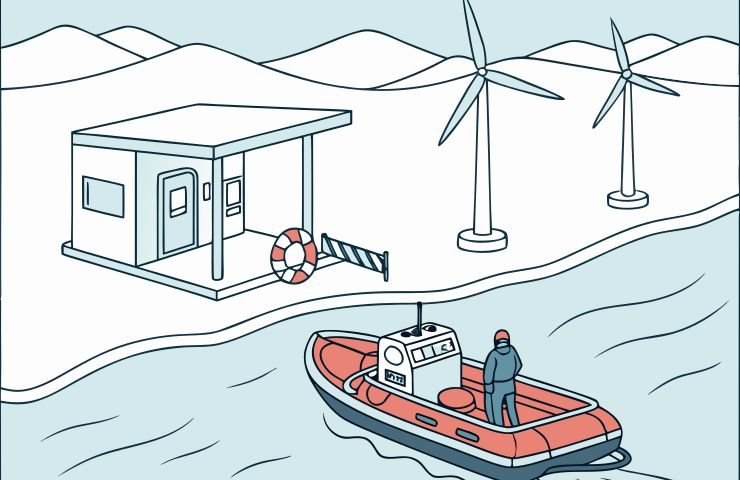
Not long ago, HIF Global, Chile’s trailblazer in green hydrogen–based e-fuels, signed on for another season with Antarctic tour operator Antarctica21. Instead of hauling out tanks of diesel, the ten Zodiac boats shuttling guests from the Magellan Explorer will sip on homegrown e-Gasoline. No engine tinkering needed—yet the switch slashes net CO₂ emissions in a place where every carbon molecule counts. It’s a small but mighty leap toward real industrial decarbonization in a region that won’t tolerate anything less.
From Wind to Water: The Science Behind e-Fuels
So what’s happening behind the scenes? The story starts with relentless Patagonian gusts spinning the blades at the Faro del Sur Wind Park. That electricity drives hydrogen production through electrolysis, splitting water into its elemental parts. The dark horse here is green hydrogen—captured from thin air and seawater. Then, in the Haru Oni plant, that hydrogen teams up with recycled CO₂ in a Fischer-Tropsch reactor to crank out e-Gasoline. Chemically it’s identical to its fossil cousin, but the climate footprint is miles smaller.
Punta Arenas: Where Innovation Meets the Ice
For over a century, this windswept port has been the springboard for explorers, scientists and supply ships bound for Antarctica. Now it’s also home to the world’s first industrial-scale e-fuels hub. Since the pilot kicked off in 2022, the Haru Oni plant has gradually ramped up, weaving renewable energy right into a supply chain that stretches from turbine-studded hills to icy ocean passages.
Zero-Emission Excursions, Zero-Modifications
Switching ten inflatables to e-Gasoline wasn’t just a PR blip for Antarctica21—it’s a concrete promise to tread lightly in a protected ecosystem. Guests hop off the Zodiac knowing their ride is powered by wind and recycled carbon, not fossil fuels plucked from the ground. And because this is genuine drop-in fuel, there’s no need for expensive retrofits—captains can make the swap almost overnight.
Educating Voyagers on Sustainable Energy
One of the highlights? Every passenger gets a backstage pass to the fuel’s journey. From wind farm to outboard motor, they learn how sustainable energy systems can mesh seamlessly with existing tech—and why a tiny tweak under the deck of a Zodiac can ripple out to a cleaner horizon. It’s the kind of hands-on lesson that bridges the abstract world of climate targets with the reality of life at sea.
Ripples Beyond the Polar Seas
Right now, this deal with Antarctica21 focuses on polar cruises. But it’s easy to imagine the same playbook adapting to coastal tourism, out-of-reach industrial vessels, or remote power generators. If you can run a tour boat on zero-emission technology today, why not a ferry tomorrow? Already, maritime regulators and port authorities—including UN maritime environmental committees—are watching closely to see how synthetic fuels could help meet tighter emissions rules.
Looking Ahead: e-MGO and e-SAF on the Horizon
HIF Global isn’t stopping at gasoline. Plans are underway for synthetic marine diesel (e-MGO) to keep bigger ships moving, and even sustainable aviation fuel (e-SAF) for planes touching down on the ice. With Chile’s Magallanes region as a proving ground, we could soon have integrated clean-energy hubs powering everything from cargo vessels to remote runways.
Scaling Challenges and Opportunities
Of course, rolling out e-fuels at scale means juggling energy inputs, upfront capital and local logistics. Electrolyzers and synthesis units aren’t cheap. But here’s the thing: the cost of renewable energy and electrolyzer tech keeps tumbling. As gigafactories churn out more capacity and green-hydrogen policies take root, the numbers start to pencil out—especially for countries burdened with heavy carbon taxes or import levies. Proving it in pilot operations is one thing; proving it in the real world is the next hurdle.
A New Chapter for Industrial Decarbonization
This partnership with Antarctica21 is a snapshot of a broader shift. Industries once thought immune to electrification—think deep-sea shipping, remote tourism or niche aviation—are realizing that drop-in e-fuels unlock decarbonization without reinventing the wheel. It’s not magic, just a smart blend of chemistry and our most abundant renewable: wind.
Why It Matters
In the race to net-zero, every real-world example counts. By fueling local tour boats with synthetic gasoline, Chile is staking its claim as a top player in green hydrogen and mapping out a template for other coastal communities. Next time you see those Zodiacs slicing through ice floes, remember: they’re more than an eco-friendly excursion—they’re the canaries in the coal mine, reminding us that energy’s future can’t rely on coal or crude.
Charting the Next Leg
Polar waters may be ruthless, but they reward bold ideas. That same zero-mod swap could roll out to fishing fleets, offshore platforms or even rugged construction sites. As the Haru Oni plant scales up and more partnerships bloom, we’ll edge closer to a world where hydrogen production and storage underpin a global network of synthetic fuels. You might never see the windmills behind an outboard, but you’ll feel the difference in every silent glide across the ice.

 With over 15 years of reporting hydrogen news, we are your premier source for the latest updates and insights in hydrogen and renewable energy.