
Green Hydrogen Production at Questa: KCEC’s Bold Plan for 41-Hour Renewable Storage
January 15, 2026From Mine Ruins to Renewable Hub
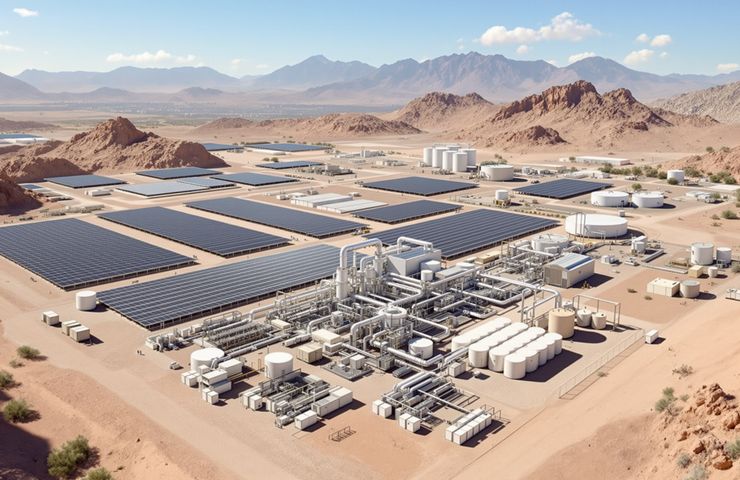
Under the looming silhouette of the old molybdenum mine in Questa, Kit Carson Electric Cooperative is pulling off something extraordinary. They’ve been running on 100% solar power by day for years, but what happens after dark? Enter a 32 MW polymer electrolyte membrane electrolyzer that turns sunlight and repurposed mine water into storable green hydrogen. When night falls, a 7.5 MW PEM fuel cell flips that hydrogen back into electricity, keeping the lights on for up to 41 hours across three counties and two pueblos—about 25,000 homes. It sounds like science fiction, but backed by a $231 million USDA grant and thorough environmental reviews, this member-owned co-op could rewrite the rulebook for rural energy.
Harnessing Sunlight and Reclaimed Water
Here’s where electrolysis shines: KCEC chose a polymer electrolyte membrane system because it can ramp up in seconds when the sun tickles the panels or dial back just as fast under cloud cover. Daytime solar arrays feed DC power into the electrolyzer, splitting reclaimed mine water—carefully treated through a partnership with New Mexico State University—into hydrogen and oxygen. And get this: it takes roughly half a gallon of water to produce a kilogram of hydrogen, compared to 2–4 gallons per MWh at a typical coal-fired plant. That’s turning a Superfund site headache into a clean source for sustainable hydrogen production.
Long-Duration Energy Storage with Hydrogen
As more solar and wind farms pepper the landscape, storage becomes the secret ingredient for a rock-solid grid. KCEC banks hydrogen in rugged steel vessels, ticking all the federal boxes for safe hydrogen storage. When storms or peak demand knock down renewables, that hydrogen feeds into PEM fuel cell technology, humming along silently, with zero combustion. Inside the cells, hydrogen ions sneak through a membrane, reunite with oxygen, and unleash electrons—voilà, you get current, heat, and water vapor. With round-trip efficiency expected to land around 60–70%, these systems outshine batteries for multi-day backups. Plus, they’re happy to cozy up with microgrids, standing by to power critical hubs like hospitals or water treatment plants if the main grid takes a snooze.
Strategic Funding and Economic Benefits
Scoring a $231 million grant from the USDA’s Rural Utility Service New ERA program was no small feat. KCEC leaned on a two-year feasibility study by the National Renewable Energy Laboratory (NREL), which found this facility could offset about 3% of the co-op’s annual load and slice CO₂ emissions equal to taking 110 cars off the road each year. They also made community buy-in a priority, hosting public meetings with Picuris Pueblo leaders and local residents to shape water-use plans and secure tribal support. When construction kicks off mid-next year, they estimate over 350 temporary jobs will sprout, followed by around 11 long-term positions. Economic forecasts predict nearly $300 million flowing into Taos County over five years—$206 million right in Questa and $44 million in extra tax revenue—while keeping rate hikes to a minimum thanks to federal incentives.
Collaboration Across Sectors
No single organization is flying solo here. Chevron Mining has chipped in more than $8 million for local revitalization and is working to transfer water rights as part of its cleanup efforts. The Village of Questa and Taos County both passed resolutions cheering the project on, while partners like ENTRUST oversee safety protocols and New Mexico State University runs rigorous water testing. Sure, the region wrestles with drought and decades of mining scars, but now the story is shifting from what was lost to what can be gained. If KCEC nails this blueprint, other rural co-ops—especially across the Mountain West, where solar potential meets legacy water challenges—could be quick to follow.
Voices from the Ground
Behind every technical diagram is a community living this transition. At a recent town hall, a rancher raised concerns about how hydrogen tanks might affect grazing land and aquifers, while an elder from Picuris Pueblo worried over sacred groundwater. KCEC laid out detailed maps and side-by-side comparisons, showing hydrogen’s water footprint is a fraction of what the old mine once drained. They also handed out FAQs explaining how emergency generators will be swapped and how local businesses can bid on construction contracts. CEO Luis A. Reyes says this back-and-forth dialogue was the real game-changer—earning trust, not just approvals, from families who’ve called this valley home for generations.
Global and Market Implications
Green hydrogen hubs are popping up around the globe—from North Sea wind parks in Europe to solar farms in Australia—but few marry industrial history with a clean-tech future like Questa. That narrative could be a compelling pitch for utilities grappling with abandoned mines and brownfields nationwide. Experts forecast that as gigafactories for electrolyzers come online, costs for hydrogen production will plummet, pushing this fuel into the mainstream. At the same time, fuel cell technology is expanding into new arenas, from powering heavy trucks to supercharging industrial heat cycles. Should KCEC’s pilot click into place, it might spark a wave of investments in hydrogen infrastructure from coast to coast.
Looking Ahead: A Renewable Roadmap
Let’s not kid ourselves—building a hydrogen hub takes more than optimism. Water rights battles can stall progress, permitting hoops are a test of patience, and PEM systems still carry a heftier price tag than conventional batteries. But if the Questa Hydrogen Project goes live on schedule in 2028, it will answer the biggest question of all: can green hydrogen truly anchor rural decarbonization? For KCEC, this site is a living lab for long-duration energy strategies that could bench diesel peakers, fortify microgrids, and even feed into clean ammonia production down the line. As policy credits evolve and electrolyzer manufacturing scales up, hydrogen’s place in the zero-emission mix is set to grow—and it all started here, in a mountain town daring to think big.

 With over 15 years of reporting hydrogen news, we are your premier source for the latest updates and insights in hydrogen and renewable energy.