Green Hydrogen Project Cancellation Rocks Chile’s Hydrogen Production Plans
December 16, 2025Imagine prepping for the big moment: 785 MW of green hydrogen and clean ammonia production in one of the planet’s windiest spots…only to scrap the entire scheme weeks before you expected the turbines to roar. That’s exactly what happened this month, when French state-owned utility EDF suddenly pulled the plug on its flagship project at Cabo Negro in Chile’s Magallanes Region. For a country banking on hydrogen to decarbonize industry, power shipping lanes, and boost export revenues, it was a harsh wake-up call—one detailed in reports from Hydrogen Insight and EDF’s own press releases.
Scaling Challenges in Patagonia
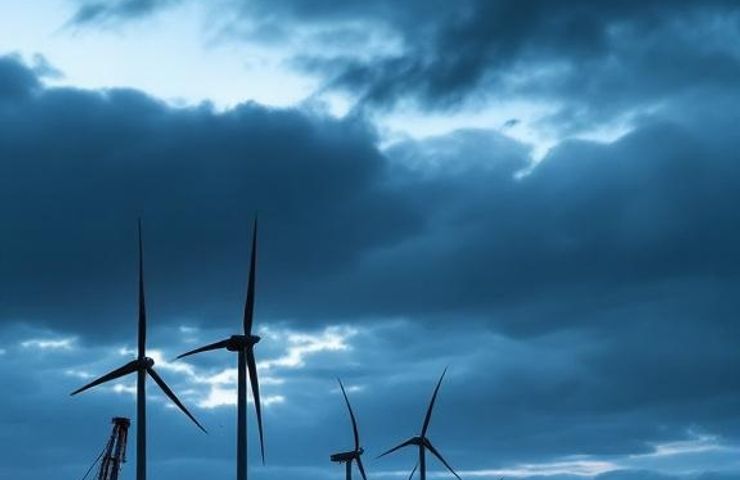
Cabo Negro sits about 28 km from Punta Arenas, where deep-water port facilities, pipelines, and grid connections make it a prime export hub. With average wind speeds north of 10 m/s, it seemed tailor-made for giant electrolysis plants. Since 2020, Chile’s National Green Hydrogen Strategy has earmarked Magallanes for at least 25 GW of electrolyzer capacity by 2030. Backed by more than US$1.25 billion in Corfo funding and set on a longer-term goal of up to 300 GW of renewables, the vision was bold. EDF had already snapped up 770 MW of wind and solar assets in Chile since 2014, yet turning local sustainable energy promise into a bankable hydrogen export framework proved far tougher than spreadsheets suggested.
From MOU to “No Go”
Back in September 2024, EDF and Chile’s state oil arm Enap shook on a memorandum of understanding to team up at Cabo Negro. Imagine shared port berths, ammonia storage tanks, and pipelines all ready to move up to 400,000 tons per year of export-grade clean ammonia. The plan had Enap’s 1 MW PEM electrolyzer—already 72% built and slated to fire up in Q1 2026—feeding green hydrogen straight into an on-site Haber-Bosch unit. Europe and Asia looked on, hungry for zero-carbon shipping fuels. But as regulatory reviews dragged on, debt financing got pricier, and long-term offtake deals remained as elusive as a calm day in Patagonia, EDF execs quietly concluded the risk simply didn’t match their return thresholds. So just like that, the project was cancelled.
Enap’s Pilot Moves Forward
With EDF out, Enap is doubling down on its 19 kg/hour green hydrogen pilot plant. Fueled by the neighboring Vientos Patagónicos wind farm, this 1 MW unit will run everything from hydrogen blending trials in local gas networks to ammonia synthesis and grid injection protocols. Think of it as a giant lab for real-world hydrogen production challenges—stack performance under patchy winds, water treatment tweaks, ammonia bunkering tests. “This demonstration is crucial,” an Enap spokesperson told local media. “Beyond technical learnings, it helps us fine-tune cost projections for a 10 MW module by 2028 and shape the regulatory framework.” Nail this pilot, and you might just pull investors back to Magallanes—even if it means starting small.
Implications for Chile’s 2030 Vision
Chile’s big dream is to swap copper for green hydrogen, ammonia, and other derivatives as its export champions—aiming for US$25 billion in annual hydrogen exports by 2050. EDF’s early exit, however, cracks the assumption that infrastructure and financing automatically follow policy statements. Red tape, land-use tussles with local communities, and the struggle to lock in competitive power purchase agreements at scale have become recurring stumbling blocks. In response, Chilean authorities are scrambling to streamline auction processes for renewables, fast-track environmental approvals, and even consider direct subsidies or viability-gap funding to close the budget gap on electrolyzer projects.
A Competitive Global Landscape
Cabo Negro isn’t Chile’s only green hydrogen game, nor is it the world’s. Just down the road, Spanish developer HIF is eyeing a 372 MW wind-to-e-methanol facility to churn out 175,000 tons per year of synthetic fuel for the shipping industry. Meanwhile, countries from Saudi Arabia and the Netherlands to Canada are racing to build mega hydrogen hubs backed by sovereign wealth and public-private partnerships. EDF’s retreat might open doors for others—Engie, Hy24, and Eneco have already had their eyes on Magallanes—but it underscores just how tough it is to nail down finance, coordinate complex logistics, and lock in credible offtake partners when timing is everything.
Charting the Path Forward
The Cabo Negro saga drives home a simple truth: large-scale hydrogen projects must nail both technical feasibility and financial credibility. For Chile, that means weaving together a sturdier ecosystem—clearer regulations, bankable offtake contracts, a local supply chain, and strategic upgrades like expanded port capacity and ammonia docks. As global appetite for industrial decarbonization solutions intensifies, Magallanes’ gale-force winds still hold enormous promise. If Enap’s pilot plant delivers on its milestones and government reforms truly smooth the investment path—from Santiago to Brussels—Cabo Negro could yet rise from the ashes. But everyone from developers and financiers to policymakers will be watching those first turbine blades and every line in the finance agreements to make sure history doesn’t repeat itself on these salt-sprayed shores.
 With over 15 years of reporting hydrogen news, we are your premier source for the latest updates and insights in hydrogen and renewable energy.