Green Hydrogen Project in Brazil Grounded by Missing Permits
January 19, 2026Ever wondered what happens when sky-high green dreams smash into paperwork mountain? That’s the hot topic buzzing through Brazil’s energy scene. Bold Spanish developer Solatio set its sights on building a gigantic 3GW green hydrogen project Brazil in Parnaíba, Piauí—mixing hydrogen and ammonia output like never before. But surprise! A federal judge just pressed pause, yanking the installation license and slapping on fines. Why the U-turn? Missing grid connection approval and key water permits. Strap in—this ride’s full of twists.
Here’s where it gets juicy: this isn’t some minor hiccup—it’s the flagship H2V-Piauí scheme, loaded with tax breaks, prime state backing via the Export Processing Zone, and a blueprint to churn out massive volumes of renewable hydrogen by decade’s end. We’re talking fuel for Europe’s power plants, Asia’s shipping lanes, and heavy-duty industry. The blueprint’s ready, the market’s hungry—but the project is parked.
What tripped it up? A lawsuit from the Ministério Público Federal pointed out a half-baked environmental licence, zero grid hook-up OK from Aneel (after a nod-and-warn from the national grid operator), plus no greenlight from the National Water Agency on water extraction. Judge Flávio Maia sided with them, freezing the install permit and threatening chunky fines for any progress. Talk about a showstopper.
Think about it—Brazil’s got sun-drenched plateaus and coastal trade winds in spades. Piauí’s perfect for turning that into renewable hydrogen gold. Yet, as history shows, even the best-laid plans can trip over grid connection challenges and tangled bureaucracy. Solatio’s roadblock is a reminder that green ambition without ironclad permits doesn’t move the needle.
And it’s not just wiring and water. Community groups flagged the potential harm to the Parnaíba Delta’s protected habitats—an official APA (Environmental Protection Area). They argue the environmental study was chopped up, leaving out critical wildlife corridors and locals’ voices. It highlights a crucial lesson: no matter how clean your energy, skipping proper engagement can spark a backlash.
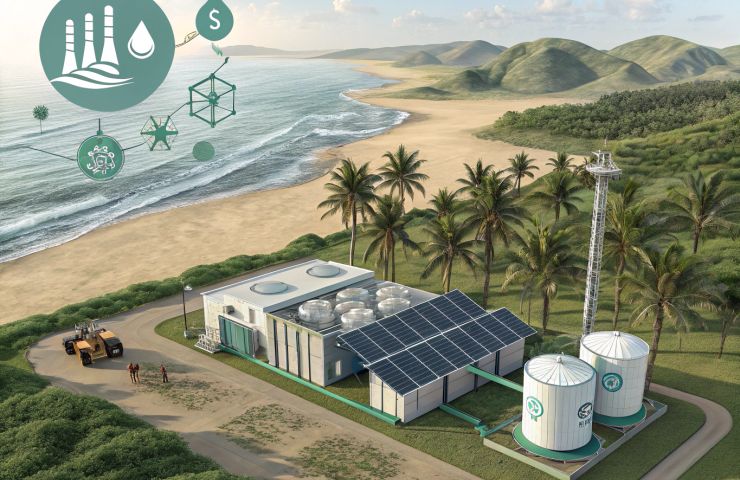
At its core, the H2V-Piauí plan hinges on a 3GW electrolysis powerhouse. Clean juice from solar and wind splits water into hydrogen and oxygen. Pumped to full throttle, it could spit out hundreds of thousands of tonnes of green hydrogen every year, and transform millions of tonnes into zero-carbon ammonia. No fossil feedstock, no carbon tail—just classic plug-and-play renewable chemistry.
Real-World Demo
- Vast solar farms soaking up sun for a steady power supply.
- High-capacity electrolysers poised for 400,000 tonnes of H₂ annually.
- On-site ammonia plants and port links geared for global shipments.
- Export Processing Zone perks—sweet tax breaks to reel in billions in investment.
All systems look green on paper, but without synchronized grid upgrades and water permits sorted, even the shiniest tech won’t roll off the runway.
Picture the ripple effect: steel mills swapping grey hydrogen for its clean counterpart, cargo ships shedding CO₂, countryside farms tapping affordable, zero-emission fuel. Piauí could fast become Brazil’s hydrogen heartland—spawning thousands of new jobs, pumping billions into local economies, and cutting emissions by the millions of tonnes. For Europe and Asia, it promises a reliable stream of green ammonia to clean up ports and power stations. These aren’t pipe dreams—they’re tangible wins waiting on green lights.
The stakes are sky-high: long-term tax holidays and crucial port and road upgrades all hinge on this rollout. A stall-out means lost state revenue, job losses on construction sites, and investors hitting the brakes. Roughly R$1 billion in supplier contracts is all hanging by a thread.
This tussle lays bare a complex cast of characters: on one side, eager Solatio and Piauí’s government, eyeing a green export gateway under Europe’s Global Gateway plan. On the other, federal watchdogs demanding strict environmental checks, grid operators worried about overloads, and water regulators protecting vital river flows. One wrong move in permits, community talks, or technical studies can stall everything.
Brazil’s energy ministry did flash an early green light for grid tie-ins last year, aiming to crown the country a top clean-fuel exporter. But when Aneel declined Solatio’s most recent application, it exposed a yawning gap between high-level ambition and on-the-ground reality.
Solatio’s not alone in this jam. Other green hydrogen hopefuls—like local heavyweight Casa dos Ventos—are running into the same grid connection challenges. The national grid operator’s multi-gigawatt upgrade plan won’t wrap until years down the line, so there’s a real risk that projects will be stuck twiddling their thumbs while the wires catch up.
Globally, Brazil is jostling with Australia, the Middle East, and the U.S. for the green hydrogen export crown. Idle projects in Piauí risk handing the advantage to rivals and losing out on lucrative offtake deals.
So, what’s on deck? Solatio is hashing out a revamped grid connection plan in lockstep with Piauí’s utility, aiming to carve out dedicated capacity. Meanwhile, they’re revisiting the environmental licensing with a fuller, Delta-inclusive impact study and deeper community engagement. If they nail those permits, lift the fines, and break ground this year, the first phase could still fire up before the decade wraps.
But remember, new transmission lines won’t pop up overnight—they’re slated post-2030. That timing mismatch could see green hydrogen stuck on paper while infrastructure lags. Every day of delay racks up R$1 million in fines and pushes back billions in capex. Yet clear those hurdles, and Solatio could set a playbook for future renewable hydrogen champions—mixing top-tier tech with smarter red tape.
Here’s the bottom line: Brazil’s roadmap to green hydrogen leadership is paved with sunshine, coastal winds, and unfortunately, paperwork. Solatio Piauí’s recent license suspension is a wake-up call—proof that even the most thrilling green hydrogen project Brazil can stumble without synced approvals and solid infrastructure. Streamlining digital permits, one-stop licensing hubs, and stronger community ties might be the keys to unlocking this renewable treasure trove.
It’s high time we turned all that potential into real progress—and made sure projects don’t wither on the vine. Ready to clear the tracks? Let’s roll.
 With over 15 years of reporting hydrogen news, we are your premier source for the latest updates and insights in hydrogen and renewable energy.