
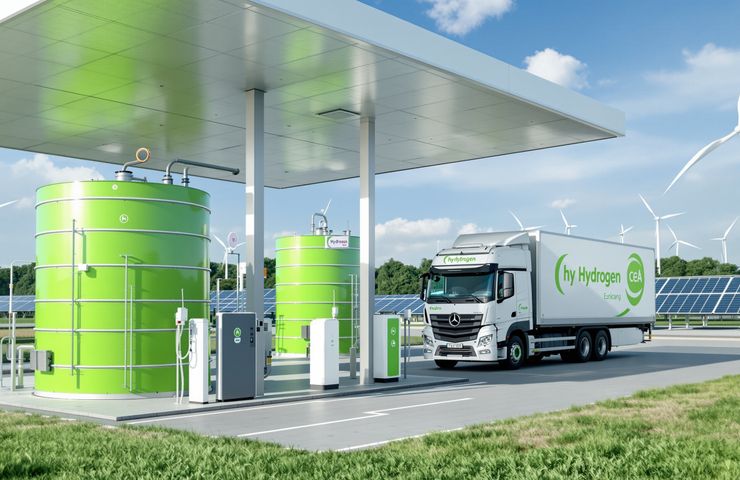
Green Hydrogen Quotas Drive Germany’s Transport Fuel Shift
February 5, 2026Germany’s upping its game on green hydrogen for transport fuel, going well beyond the EU’s bare minimums and steering us down a cleaner road.
Setting the Stage
Back in late last year, the German Federal Cabinet gave the nod to a draft tweak on its transport greenhouse gas reduction quota, the THQ. Basically, Germany is slapping the EU’s Renewable Energy Directive (RED III) into its national rulebook—but on a faster timeline than Brussels set. From 2026, every company selling petrol, diesel or any other fuel on German soil must start blending in a bit of Renewable Fuels of Non-Biological Origin (RFNBOs). It kicks off at 0.1% RFNBO energy in 2026, jumps to 0.5% in ’28, climbs to 1.2% by 2030—just above the EU’s 1% bar—and then rockets up to 8% by 2040. All this sits inside a bigger drive to cut emissions: the overall transport quota swells from 10.6% next year to a whopping 59% by 2040. Miss the mark, and it’s €120 per gigajoule—around €14 a kilo of hydrogen. So if you can buy green hydrogen below that threshold, you’re better off fueling your tank than paying the fine.
Key Provisions and Technical Details
But it’s not just about quotas and penalties. The draft throws in a few technical curveballs. For example, oil giants can tap a ‘refinery route’, claiming RFNBO credits when they co-process green hydrogen with biogenic oils in existing refineries. That triple-counting bonus for electric vehicle charging? It’s phased out by 2035, keeping the focus on advanced fuels. Starting in 2027, authorities will do on-site inspections—any renewable fuel plant that locks them out won’t earn a single credit. On top of that, double counting of advanced biofuels disappears in 2026, and materials linked to high indirect land use change drop out of the bio-quotas.
Historical Roots
If you rewind a few decades, Germany’s famous Energiewende laid the groundwork, swapping out coal and nuclear for wind, solar and the like. Every successive EU directive cranked the renewables dial higher, and when RED III arrived in 2023, it forced member states to carve out at least 1% RFNBOs in transport by 2030. Early drafts even flirted with a 12% RFNBO slice by 2040 and a 4% interim target—before settling on this smoother climb. It’s that classic balancing act between lofty climate goals and real-world industrial decarbonization.
What’s Driving the Change?
So what’s behind the push? Germany’s juggling two big mandates: meet RED III and hit national climate-neutrality by 2045. According to Environment Minister Carsten Schneider, this amendment not only makes refuelling more eco-friendly, it cements demand for green hydrogen and lays the foundation for robust hydrogen infrastructure. Berlin’s eyeing 10 GW of electrolyser capacity by 2030, and those RFNBO quotas should attract fresh investment into electrolysis and storage projects.
Industry and Environmental Reactions
The proposal’s already stirring debate. On one side, Jürgen Resch from NGO DUH slams it as “pure waste and energy policy madness,” saying it diverts focus from full-on electrification and lets refineries rebrand fossil fuels as green. On the other, Ralf Diemer of the eFuel Alliance wants even more—he’s pushing for 5% RFNBO by 2030 to truly fire up that 10 GW electrolyser goal. Industry groups are also jittery about late Bundesrat suggestions to hike the 2026 quota, flagging uncertainty.
Aviation, Maritime and Sectoral Spreads
This isn’t just about cars. The amendment nods to RefuelEU Aviation, which mandates 1.2% synthetic jet fuel by 2030—miss it and you face a €17,000 per tonne fine. Shipping gets a slower timetable, with binding RFNBO quotas for maritime only kicking in after 2031. For fuel suppliers with a Europe-wide footprint, Germany’s tougher stance could rewrite market norms.
Collateral Impacts
Once in force, expect ripple effects. On the upside, guaranteed offtake for RFNBOs could drive a wave of new electrolysers and hydrogen storage facilities—big wins for the sustainable energy ecosystem. But there are trade-offs: drivers might pay a bit more at the pump, and that refinery route risks a backdoor for low-carbon hydrogen in traditional refineries. Plus, phasing out EV charging multipliers could ease off some electrification momentum.
Central Challenges
Not everything’s locked down yet. Parliament still has to reconcile differing versions from the Bundestag and Bundesrat—one even pushed to raise the 2026 quota above 0.1%. Observers warn the timeline is tight, with final rules on co-processing, inspections and quota calculations still pending. Slip-ups or delays could even mean a retroactive compliance window from the start of 2026, spooking suppliers.
The Road Ahead
Next stop: the amendment heads back to the Bundestag and Bundesrat for final sign-off. If it sails through, Germany will send one of Europe’s toughest price signals on green hydrogen—anything under €14/kg beats a fine—and lock in those RFNBO quotas across road, sky and sea. It’s a live test in industrial decarbonization and transport reform. Success hinges on swift legislation, crystal-clear rollout rules and whether the market can scale up hydrogen production and storage.
Whether you’re a fuel supplier, electrolyser whiz or fleet operator, Germany’s fresh playbook is set to rewrite the script on investments and strategy—especially if you’re banking on new hydrogen infrastructure and the broader sustainable energy future. The RFNBO green light has never shone brighter.

 With over 15 years of reporting hydrogen news, we are your premier source for the latest updates and insights in hydrogen and renewable energy.