
Green Hydrogen & Renewable Energy Summit in Kerala Accelerates India’s Clean Energy Transition
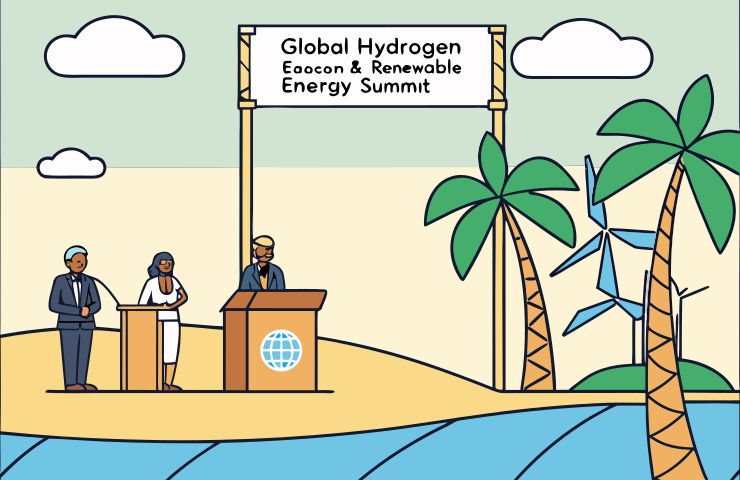
March 19, 2026Picture palm trees swaying along Kovalam’s shore as the Government of Kerala rolled out the red carpet for the 2nd Global Hydrogen & Renewable Energy Summit, a move to reinforce Kerala’s pioneering role in India’s clean energy transition. Organized by ANERT under the Kerala Power Department and co-hosted by KSEB and the Energy Management Centre Kerala, this gathering brought together senior officials, industry heavyweights and technical whizzes, all buzzing with ideas. With the Arabian Sea’s offshore wind corridors just off the coast and Kerala’s track record in literacy and sustainability, everyone dove into ways to ramp up hydrogen production and weave in diverse renewable energy systems. The opening session, steered by Hon’ble Minister of Electricity K. Krishnankutty, set the tone, while Puneet Kumar, IAS and Minhaj Alam, IAS guided the discussions. Dr. R. Harikumar rounded things off with some eye-opening technical insights.
Summit Overview and Technical Showcases
We spent a full day bouncing between sessions and exhibits, rubbing shoulders with folks from central ministries, state agencies and big names like Bharat Petroleum, Reliance and Cochin International Airport Ltd. (CIAL). Sixteen talks dove into everything from India’s Energy Roadmap 2030 and floating solar PV tricks to the offshore wind potential in the Arabian Sea, hydrogen blending mandates, and the nitty-gritty of compressed hydrogen storage rules. When it came to energy storage, pumped hydro expansions, battery banks and chemical storage via hydrogen all took center stage. And let’s not forget the urban green investments panels, where we dug into energy-efficient building retrofits, electrifying public transport and rolling out hydrogen fueling stations.
The expo floor was buzzing with modular electrolysers, AI-driven grid management platforms, beefy fuel cell stacks and long-duration battery banks. We also got into the weeds on cost trajectories for electrolyser technologies, lifecycle assessments of renewable systems, and the water-energy nexus in coastal regions. Meanwhile, networking lounges and curated roundtables served up the real MVPs—startups, financiers and government bodies cooking up MoUs and pilot collaborations. At INR 15,000 plus taxes, delegate passes unlocked the whole shebang: presentations, exhibitions and one-on-one project matchmaking.
Driving Green Hydrogen and Renewable Integration
At the heart of our chats was the miracle of green hydrogen—that carbon-neutral powerhouse born by splitting water into hydrogen and oxygen via electrolysis powered by renewables. We learned how co-locating electrolysers next to utility-scale solar parks and wind farms can turn surplus juice into storable hydrogen, keeping the grid happy during peak times. Case studies showed hydrogen fuel cells stepping in to keep remote micro-grids online—bye-bye diesel gensets—and port presentations had us picturing emission-free vessels using hydrogen bunkering terminals.
Of course, nobody sugar-coated the challenges: from harmonizing round-trip efficiencies and juggling dynamic tariffs to deploying AI-driven load forecasting. Water management got a thorough airing too, with experts outlining zero-liquid-discharge designs and seawater desalination tie-ins to feed those electrolysers without draining local resources. And let’s not forget the latest in renewable energy systems—smart inverters for rooftops and utilities, next-gen turbine materials—all crucial for cutting the levelized cost of energy, boosting asset lifespans and fortressing resilience in salty, humid coastal zones.
Policy Frameworks and Strategic Alignment
Policy wonks and industry vets chewed over the National Green Hydrogen Mission—launched in 2023 with a lofty goal of five million tonnes of annual green hydrogen production by 2030. Kerala has its own playbook too, with state-level sweeteners like viability gap funding for inaugural electrolysers, renewable purchase obligations now embracing emerging hydrogen generators, and a fast-track environmental clearance process for offshore wind along its coast. With ANERT steering renewable research since 1987, panelists brainstormed everything from hydrogen-specific PPAs and fiscal incentives for local electrolyser manufacturing to public-private partnership templates designed to kickstart early deployments.
Safety and regulations were front and center, with calls for uniform codes on hydrogen compression and storage, clear licensing for blending hydrogen into existing gas pipelines, and tariff structures that don’t scare off private investors. There was even chatter about lining up water conservation mandates, land-use policies and skill development programs—because a robust hydrogen infrastructure ecosystem needs more than tech, it needs a whole village of support.
Economic and Regional Synergies
Beyond the clean-energy cred, everyone agreed the economic upside is huge. Think big electrolyser manufacturing hubs that churn out jobs in engineering, fabrication, assembly and systems integration—right here in Kerala. Tourism leaders got us dreaming about a “stay and power” model where beach resorts and coastal villages run on hydrogen micro-grids, nixing diesel generators, slashing fuel logistics costs and upping eco-tourism appeal.
Industrial players—port authorities and refineries alike—talked about using green hydrogen as a low-carbon feedstock and bunker fuel, with spill-over wins for shipping logistics and equipment upkeep. Aviation experts from CIAL even floated the idea of crafting sustainable aviation fuel precursors from hydrogen, tackling carbon footprints in one of the fastest-growing transport sectors. Of course, hurdles remain: financing models need to accommodate long-duration assets with green bonds, blended finance and special credit lines; infrastructure scaling demands grid upgrades, safe storage solutions and hands-on training; and water resource management stays critical in areas juggling agricultural and industrial needs.
Next Steps on the Road to Net-Zero
As we wrapped up, delegates carved out a roadmap packed with concrete next steps. In the near term, we’re talking demo plants that pair solar parks with clustered electrolysers, pilot offshore wind-to-hydrogen projects, and an interoperable blueprint for end-to-end hydrogen infrastructure—from production to storage, transport to end-use. Medium-term goals include launching public-private consortia for electrolyser gigafactories, building up local supply chains, and task forces ironing out safety and tariff frameworks.
All of this slots neatly into Kerala’s big-picture vision of powering a “Viksit Bharat” by 2047 and hitting net-zero emissions by 2070. By rallying policymakers, utilities and tech providers under one roof, Kerala’s blueprint is shaping up as a model other states can copy for a turbocharged decarbonization drive.
By blending policy innovation, hands-on tech demos and real-deal collaboration, the 2nd Global Hydrogen & Renewable Energy Summit in Kovalam reaffirmed Kerala’s spot at the forefront of India’s clean energy transition. We left with a clear roadmap—turning buzzwords like green hydrogen, hydrogen production and hydrogen infrastructure into real-world projects, partnerships that stick, and a future where renewable energy is just how things get done.

 With over 15 years of reporting hydrogen news, we are your premier source for the latest updates and insights in hydrogen and renewable energy.