
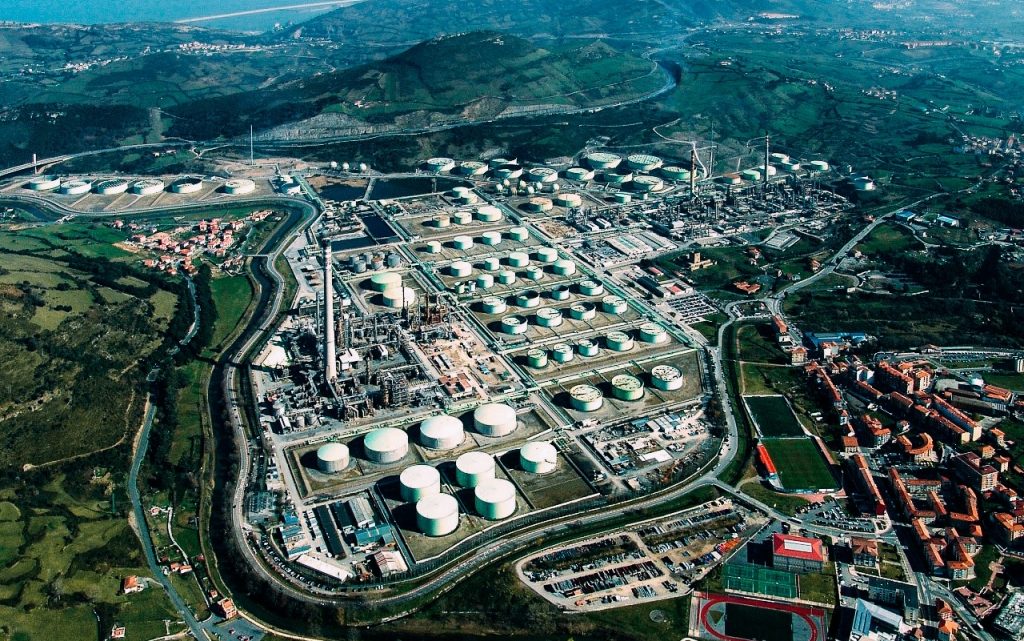
Green Hydrogen Scale-Up: Repsol to Install Second 100 MW Electrolyzer at Petronor Refinery
February 2, 2026Repsol is set to boost its green hydrogen capacity with a second 100 MW electrolyzer at the Petronor refinery in Muskiz, within Spain’s Basque Country. The project carries a €292 million price tag, including €160 million in grants from Spain’s Recovery, Transformation and Resilience Plan under the NextGenerationEU framework. Backed by an Important Project of Common European Interest (IPCEI) designation from the European Commission, the facility is slated to enter service around 2029. Once operational, it will deliver up to 15,000 tonnes of renewable hydrogen per year and is poised to prevent 167,000 tonnes of CO₂ emissions annually while creating roughly 900 jobs across its lifecycle.
Rapid Expansion in Renewable Hydrogen Capacity
This second 100 MW unit at Petronor builds on Repsol’s earlier rollout of large-scale electrolyzers. The company approved its first 100 MW plant in Cartagena in late 2025, complementing a 2.5 MW system at Petronor that began producing around 350 tonnes of hydrogen per year in 2023. A 10 MW electrolyzer under construction at the port of Bilbao in partnership with Saudi Aramco is due to start operations in 2026 to feed a synthetic fuels demonstration. Together these installations form the backbone of Repsol’s drive to install 700 MW to 1,200 MW of capacity by 2030. Further projects, including a 150 MW electrolyzer in Tarragona, will diversify the company’s green and biohydrogen mix to match evolving industrial needs.
Financing and European Support
The Petronor electrolyzer’s designation as an Important Project of Common European Interest (IPCEI) by the European Commission was instrumental in unlocking support under the NextGenerationEU recovery plan. Spain’s government has committed about €160 million towards the €292 million investment, reducing Repsol’s net exposure by over half. IPCEI status recognises projects vital for Europe’s energy transition, allowing member states to coordinate state aid while avoiding market distortions. This funding scheme underscores the significance of renewable hydrogen in achieving the RePowerEU aims of energy autonomy and decarbonization. By combining corporate and public resources, the project aligns industrial modernization with climate goals, setting a blueprint for future electrolyzer deployments across Europe.
Technical and Environmental Impact
The new 100 MW electrolyzer at Petronor will employ advanced alkaline or proton exchange membrane electrolysis—Repsol has not confirmed which—for splitting water into hydrogen and oxygen using 100 percent renewable electricity. At peak capacity, it can produce up to 15,000 tonnes of green hydrogen annually, replacing traditional steam methane reforming feedstocks in refining operations. This conversion is projected to cut around 167,000 tonnes of CO₂ per year, comparable to taking over 35,000 passenger cars off the roads. On-site production sidesteps lengthy transport logistics, improving energy efficiency and underpinning the broader push for zero-emission technology in heavy industry. It will also support decarbonization efforts across Repsol’s refining and petrochemical operations.
Integrating into the Basque Hydrogen Corridor
Located in Muskiz, in the Bizkaia province, the Petronor site is central to the Basque Hydrogen Corridor, which links producers, distributors and industrial users across the region. By leveraging existing pipeline networks and storage assets, the corridor offers a cost-effective route for green hydrogen to reach steel mills, chemical plants and mobility hubs. Petronor’s electrolyzer will feed both on-site refining and external offtakers, illustrating a shared-use approach that optimizes asset capacity. This emerging hydrogen infrastructure not only strengthens local energy security but also showcases a scalable model for regional decarbonization efforts around Europe.
Repsol’s Hydrogen Roadmap
Repsol currently produces around 60 percent of Spain’s hydrogen and roughly 4 percent of Europe’s. Its 2030 strategy calls for a diversified mix of green and biohydrogen technologies, targeting 700 MW to 1,200 MW of capacity. In addition to electrolyzers in Cartagena, Muskiz and Tarragona, the plan includes at least 350 MW of biohydrogen derived from biomethane and biofuel gas reforming. Repsol’s stepped approach—from demonstration units to multi-hundred-megawatt plants—reflects a desire to balance technical learning, cost reduction and market development. By driving scale and leveraging existing industrial sites, the company aims to maintain refining competitiveness while transitioning toward a low-carbon portfolio.
Strategic Implications for Industrial Decarbonization
The Petronor electrolyzer exemplifies how heavy industries can convert existing hydrogen consumption—from steam methane reforming—to renewable variants without halting operations. By harnessing green hydrogen in refining units, Repsol reduces the carbon intensity of fuels and feedstocks, aligning with increasingly stringent emissions standards. This integrated model can be replicated in sectors such as ammonia, steel or chemicals, where reliable hydrogen supply is critical. Moreover, leveraging public funding and IPCEI frameworks de-risks capital-intensive projects and accelerates technology adoption. In the long run, such initiatives could lower hydrogen costs and stimulate demand, creating a virtuous cycle for a decentralized hydrogen economy.
Job Creation and Regional Development
The project is expected to generate about 900 direct, indirect and induced jobs spanning engineering, procurement, construction and operations. Beyond immediate employment benefits, it supports skill development in electrolysis and hydrogen handling. Local suppliers and service providers stand to gain from ongoing maintenance and future expansions. In the broader socio-economic context, the investment reinforces Bizkaia’s industrial base, attracting further clean-tech projects and helping to diversify regional economies. Collaborative engagement between Repsol, the Basque government and the European Commission highlights the importance of multi-stakeholder partnerships in driving just and equitable decarbonization pathways.
Forward Look
As the EU tightens climate targets and global demand for clean hydrogen rises, Repsol’s second 100 MW electrolyzer at Petronor provides a testbed for scaling at industrial sites. Success will hinge on securing low-cost renewable power, integrating with existing processes and developing a robust market for off-take. Lessons learned here could inform forthcoming projects across Spain and Europe, shaping both policy and investment flows. For Repsol, the next milestones include commissioning in 2029, optimizing operations and advancing the underlying network of production, storage and distribution. Ultimately, the company’s ability to meet its 2030 capacity goals will be a bellwether for Europe’s hydrogen ambitions.

 With over 15 years of reporting hydrogen news, we are your premier source for the latest updates and insights in hydrogen and renewable energy.