Green Hydrogen Steelmaking Pilot Launches at JSW Vijayanagar Plant
December 8, 2025We’re absolutely buzzing to share that JSW Energy and JSW Steel have joined forces on a landmark green hydrogen steelmaking pilot at the Vijayanagar complex in Karnataka. This collaboration slots right into India’s National Green Hydrogen Mission and drives our collective goal of using renewables to make iron both clean and cost-effective. By tapping into local solar and wind capacity, the pilot will churn out Direct Reduced Iron (DRI) with green hydrogen instead of metallurgical coal—slashing carbon emissions, bolstering energy security, and taking a big step toward full-scale decarbonization of the steel industry.
India’s steel sector is on fire right now: we’re at about 160 million tonnes of crude steel per year, with eyes firmly set on 300 million tonnes by 2030. To get here, we’ve traditionally leaned on coal-heavy blast furnaces—tech that produces heaps of greenhouse gases and ties us to volatile global coal markets. As climate targets tighten and environmental rules evolve, steelmakers face a tough challenge: grow capacity without growing emissions. That’s where hydrogen-based DRI comes in, ready to flip the traditional steelmaking script.
Harnessing Renewable Power for Steel
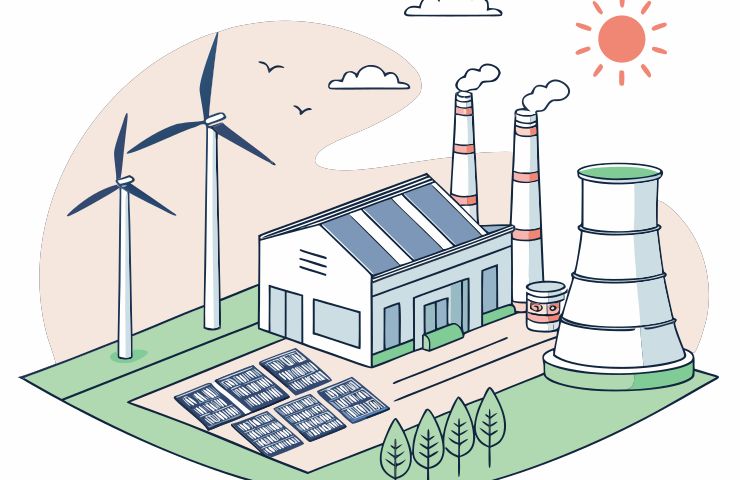
The concept is brilliantly simple: use solar panels and wind turbines to generate clean electricity, feed that power into electrolyzers to split water into hydrogen and oxygen, then send the green hydrogen into a DRI shaft furnace. Instead of coal, the hydrogen strips oxygen from iron ore, yielding sponge iron and a puff of water vapor—no CO₂ in sight. It’s a tightly looped system that proves you don’t have to sacrifice performance to cut emissions.
Over at Vijayanagar, JSW Energy has flipped the switch on one of India’s largest commercial-scale electrolyzer units, based on proton exchange membrane (PEM) technology. Kicking off at 10 MW, it’s built to expand in step with Karnataka’s growing solar parks and wind farms. This modular design is a game-changer—especially since electrolyzer costs are tumbling and renewable tariffs keep plunging, making green hydrogen more competitive by the day.
Practical Benefits and Positive Impact
Swapping coal for green hydrogen could slice up to 90% of CO₂ emissions at the DRI stage, independent studies say. On top of that, it shores up India’s energy security—right now we import around 120 million tonnes of metallurgical coal, covering roughly 80% of our needs. Producing hydrogen on home soil insulates us from price spikes and supply hiccups, while strengthening the domestic supply chain.
There’s also a natural fit with Electric Arc Furnaces (EAFs). EAFs can melt sponge iron and scrap steel together, powered by renewables. This two-step route—green hydrogen-based DRI feeding into EAF—creates a genuinely low-carbon steelmaking pathway. And economically, it helps stabilize costs: when scrap prices surge, having a green hydrogen or gas fallback keeps production steady.
Meanwhile, Jindal Steel & Power Limited plans to roll out green hydrogen at its Angul DRI units in Odisha by late 2025, underlining a broader industry pivot. In Salav, Maharashtra, JSW Steel is enlarging its DRI lines to seamlessly switch to hydrogen later on—proof that the big players are all in, harnessing India’s solar prowess and engineering talent to future-proof their mills.
Government Support and Policy Framework
This pilot rides on a wave of robust policy backing. The Government of India, via the Ministry of New & Renewable Energy (MNRE), launched the National Green Hydrogen Mission in 2023 with a goal of 5 million tonnes of green hydrogen annually by 2030. To kickstart action, ₹4.55 billion has been earmarked for green steel pilots—covering 100% hydrogen-based DRI, hydrogen injection in blast furnaces, and blend trials in existing DRI setups.
Come FY28, a Green Steel Public Procurement Policy will require minimum shares of green steel in government contracts, sparking fresh demand. Analysts at the Institute for Energy Economics and Financial Analysis (IEEFA) argue that speeding up these measures is key to slashing import risks, curbing emissions, and locking in material supplies for decades to come.
Made in India, Made for India’s Future
Beyond the environmental wins, this project is a jobs engine. The Vijayanagar electrolyzer was designed, engineered, and built in India—creating high-skilled roles in fabrication, installation, and operation. Early estimates point to over 200 jobs during construction and about 50 permanent positions once it’s up and running. Training programs with local technical institutes are already equipping technicians in hydrogen safety and electrolyzer maintenance.
By tapping into India’s vast solar resources and skilled workforce, companies are building a homegrown ecosystem that fuels both decarbonization and economic growth. And it doesn’t stop at steel: fertilizer, refinery, and chemical sectors are eyeing hydrogen too. This cross-industry demand will be crucial to driving down costs and scaling up infrastructure nationwide.
What’s Next: Scaling Up and Industry Momentum
While the Vijayanagar pilot is a massive leap forward, it’s only step one. Tata Steel and ArcelorMittal Nippon Steel India are running their own H₂-DRI trials, and JSW Steel’s Salav expansion is poised for a hydrogen switch as soon as the economics line up. With green hydrogen costs projected to near parity with conventional hydrogen by the 2030s, these pilots could become the blueprint for large-scale rollout.
Certain challenges remain—securing big blocks of renewables, building hydrogen storage and pipelines, and nailing down offtake agreements. But with solid policy support, innovative financing, and successful pilot projects under our belts, India is well-placed to tackle these hurdles and emerge as a global leader in low-carbon steel.
At a moment when the world is hunting for clean-tech champions, India’s green hydrogen steelmaking pilot is a standout story of ambition, innovation, and real impact. We’re inspired by what’s unfolding at Vijayanagar—it’s proof that sometimes the simplest ideas make the biggest splash. Now, let’s build on this momentum, scale up, and ensure India leads the charge in sustainable steel, while creating jobs, securing energy, and protecting our planet.
 With over 15 years of reporting hydrogen news, we are your premier source for the latest updates and insights in hydrogen and renewable energy.