Green Hydrogen Strategy Consultation Shapes Chile’s Energy Future
February 5, 2026We’re thrilled to see Chile’s Ministry of Energy open up a public consultation on the refreshed National Green Hydrogen Strategy 2026-2030. When Chile first rolled out its green hydrogen strategy almost six years ago, the goals were bold: build 25 GW of electrolysis capacity, deliver green hydrogen at USD 1.5 per kilogram, and rank among the top three exporters worldwide by mid-century. Fast forward, and the country has snagged over USD 5 billion in investments and hit 5 GW of electrolysis capacity—cementing its spot as Latin America’s green hydrogen powerhouse. Now, the spotlight’s on domestic markets to make sure projects fit local needs and regulations. By inviting feedback from communities, industry experts and regional authorities, policymakers are crafting a plan that’s both ambitious and down-to-earth.
Solving real-world problems with clear goals
One of the coolest tweaks in this updated strategy is swapping those broad gigawatt targets for specific production milestones. Instead of just installing electrolyzers by the truckload, the focus is on actual hydrogen volumes—think 100–200 kt per year to power homes, factories and mines at home by 2030. This pivot means the green hydrogen production aligns neatly with what local industries really need, whether it’s keeping mining rigs humming in Antofagasta or supplying power to off-grid communities in Patagonia. At the same time, export goals—300–700 kt annually by 2035—give investors a clear playbook for how and when green hydrogen infrastructure will plug into global markets. With these checkpoints, everyone from developers to regulators can see exactly where we’re headed.
Innovative technology explained
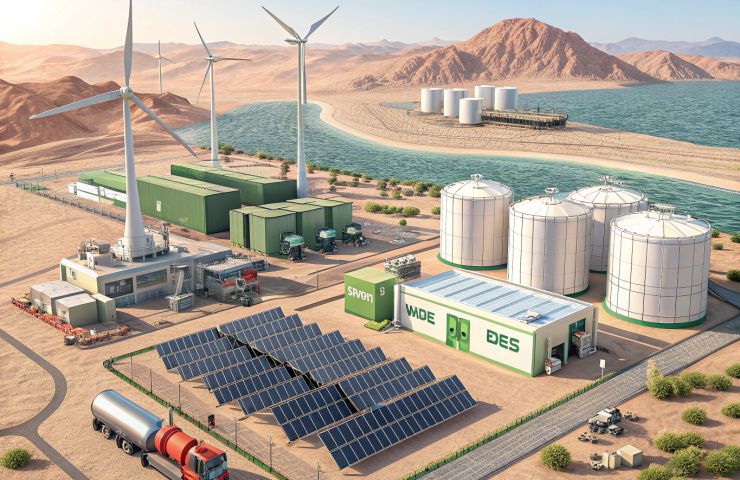
At its core, green hydrogen is all about electrolysis, where renewable electricity splits water into hydrogen and oxygen. The beauty lies in its simplicity: sunlight-soaked solar arrays in the Atacama Desert or gusty wind farms in Patagonia feed power to electrolyzers, producing nothing but pure green hydrogen. And when you use that hydrogen in fuel cells, the only emission is water vapor. You can also turn it into green ammonia via the Haber-Bosch process, making it a handy, transportable solution for fertilizers and shipping. Beyond ammonia, it’s a key ingredient for derivative fuels like methanol and other synthetic hydrocarbons that slash carbon footprints across industries.
Made in Chile, made for Chile’s future
What really gets us pumped is how this strategy taps into local superpowers. With record-high solar radiation up north and world-class wind speeds down south, Chile has the raw ingredients for a renewable energy revolution. By setting up electrolyzer assembly lines, water treatment plants and port logistics near hotspots like Magallanes and Antofagasta, the plan fuels millions in local manufacturing and R&D. This isn’t just about attracting foreign cash; made in Chile, made for Chile’s future means high-tech jobs for locals, homegrown expertise, and tighter collaborations between universities, suppliers and plant operators. Pilot training programs will boost the skillsets of engineers and technicians, while the Green Hydrogen Advisory Council ensures regional voices steer the projects.
Driving local economies
This isn’t just a clean-energy story—it’s a major economic play for regions hungry for diversification. Experts project the latest green plan could draw up to USD 32 billion in investments by 2035, creating 36,000–85,000 direct jobs across the value chain. Local firms can gear up to supply desalination units (the strategy mandates desalinated or recycled water for electrolysis), plus storage tanks, pipelines and certification services. That wave of demand will ripple through construction, logistics and consultancy sectors, offering stable work beyond the boom-and-bust mining cycles and giving communities a real stake in the Chile energy transition.
Environmental and social benefits
Sustainability isn’t an afterthought—it’s baked into every step. By requiring desalinated or recycled water for electrolysis, the plan protects freshwater reserves and safeguards delicate ecosystems. On the social side, workforce initiatives aim to bring local residents into the energy sector, ensuring new facilities benefit neighborhoods directly. Cleaner air from cutting back on fossil fuels and enhanced energy independence only sweeten the deal. Through rigorous environmental reviews and tight regulations, this strategy aims to slash CO₂ emissions while preserving Chile’s breathtaking landscapes.
Building for long-term growth
It’s refreshing to see a pragmatic shift in cost targets. Instead of chasing that USD 1.5 per kilogram by 2030, the revised blueprint aims for under USD 4/kg by 2030 and under USD 2/kg by 2045. These figures reflect real-world lessons about slower-than-hoped price drops for electrolyzers, modest global market growth and supply-chain kinks. By laying out key regulatory steps—national certification, land-use updates and integrated generation-consumption rules—the plan offers investors a clear schedule, smoothing uncertainties and showing exactly how renewable energy Chile can scale up.
Community engagement and next steps
Public consultation isn’t just ticking a box—it’s a golden opportunity to fine-tune the strategy. Stakeholders from industry, academia and civil society can chime in with comments on priorities, milestones and regulatory tweaks. The Green Hydrogen Advisory Council, inter-ministerial task forces and regional authorities will sift through feedback, sharpen action lines and lock in the final roadmap. While the exact closing date for input is still pending, this inclusive process is set to produce a solid, grassroots-backed plan that balances national ambitions with local realities.
By anchoring big dreams in clear targets, realistic cost projections and robust community involvement, Chile’s updated green hydrogen strategy is raising the bar for clean-energy planning. We’re excited to watch how it marries environmental stewardship with economic opportunity, capitalizing on Chile’s natural advantages to build a future-proof hydrogen sector. One thing’s certain: Chile is laying down the tracks for sustainable growth—both at home and on the world stage.

 With over 15 years of reporting hydrogen news, we are your premier source for the latest updates and insights in hydrogen and renewable energy.