Green Hydrogen Supply to France’s First HGV-Compatible Motorway Station
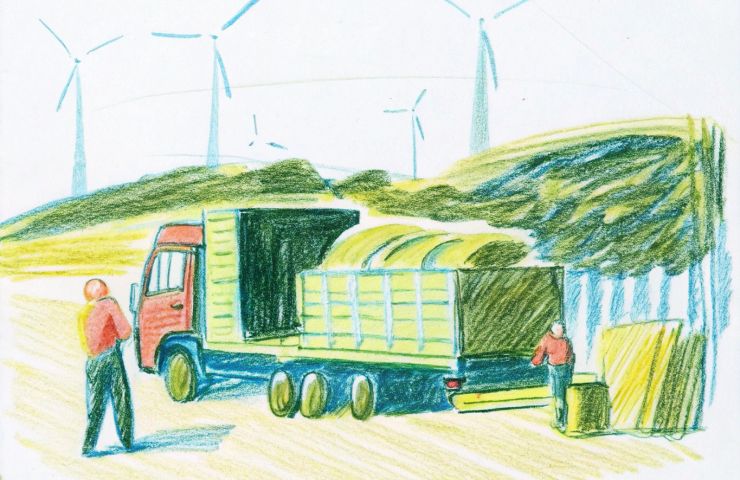
January 22, 2026Lhyfe has shared some exciting news: they’ve started supplying RFNBO-certified green hydrogen to France’s very first motorway refuelling station for heavy goods vehicles (HGVs). The site—which TEAL Mobility has been running under a multi-year deal inked in September 2024—sits right alongside the A4 motorway in the Grand Est region. Up and running since November 2025, it’s a major leap forward in industrial decarbonization for HGV transport, carving out a low-carbon corridor from Paris to Germany and the Benelux. Lhyfe’s four water electrolysis plants, each packing a 5 MW electrolyser (21 MW total), keep the station stocked with 70 Type-IV transport containers, each carrying up to 2 tonnes of hydrogen per day—enough juice for about 25,000 km of heavy-haul routes. Traded on Euronext under LHYFE, Lhyfe is reinforcing its market position, while TEAL Mobility cements its role in building out robust hydrogen infrastructure.
Strategic Impact
This partnership tackles one of the trickiest parts of road transport: HGV emissions. Trucks punch way above their weight in CO₂ output, so having reliable motorway refuelling points is a must if you want to electrify fleets with green hydrogen. For TEAL Mobility, landing this contract means a steady, on-demand supply—and it sends a clear signal that hydrogen can stand toe-to-toe with diesel. With Lhyfe planning a 70% capacity boost in 2026, they’re gearing up to meet rising demand, drive down costs through economies of scale, and roll out more stations along key logistics arteries.
Technical Snapshot
Under the hood, Lhyfe relies on water electrolysis powered by renewable electricity to drive efficient hydrogen production. Their four operational sites in France and Germany each house a 5 MW electrolyser—combining for about 8 tonnes of hydrogen every day. That gas travels in 70 Type-IV composite cylinders, engineered for high-pressure safety on the move. At the TEAL Mobility station, dispensers pump hydrogen at up to 700 bar—just what fuel cell trucks need. A real-time monitoring system keeps tabs on purity and pressure, so everything runs smoothly with minimal downtime.
Historical Context
Flash back to 2021, and Lhyfe made history by launching the world’s first industrial-scale green hydrogen plant powered directly by wind. In 2022, they took their tech offshore, and by September 2025 they’d emerged as Europe’s top RFNBO producer under the EU’s Renewable Energy Directive. Early sites in Bessières, Buléon, Croixrault, and Sorigny proved that electrolysis works at scale. The Grand Est station is the latest chapter, showing how Lhyfe has methodically moved from R&D trials into commercial-grade supply chains.
Regional Dynamics
The Grand Est region used to be all about coal and steel, but now it’s reinventing itself for clean energy. Straddling France’s borders with Germany, Luxembourg, and Belgium—and sliced by the busy A4 motorway—it sees heavy freight traffic, making it a prime spot for HGV refuelling innovation. Local authorities have woven hydrogen into regional mobility plans, offering fast-track permits and incentives. That’s turned the TEAL Mobility station into a flagship, demonstrating how former industrial hubs can pivot toward a low-carbon future.
Policy and Financing Context
This project rides on a supportive policy and financial wave. Thanks to the EU’s Renewable Energy Directive, RFNBO producers like Lhyfe enjoy clear compliance perks, while France’s national hydrogen strategy has poured funding into electrolysis and refuelling infrastructure. Loan guarantees and co-investment schemes cut upfront costs for both Lhyfe and TEAL Mobility. Aligning with the EU taxonomy for sustainable activities has pushed capital costs lower, drawing interest from green funds and institutional investors.
Collateral Benefits
Beyond slashing CO₂, the initiative rakes in several bonus gains:
- Energy Sovereignty: Local hydrogen production trims reliance on imported fossil fuels, boosting supply security.
- Economic Growth: More electrolysis sites and station ops spark job creation across regional supply chains.
- Logistics Efficiency: The fleet of 70 cylinders enables just-in-time deliveries, cutting idle time and costs.
- Replicability: The modular setup can be cloned on other major freight routes with minimal redesign.
Supply Chain Considerations
Keeping hydrogen deliveries on schedule means every link—from production to pump—has to hum. Lhyfe runs a fixed rotation of Type-IV cylinders between its electrolysis plants and the TEAL Mobility station, with purity checks and safety inspections at each handoff. On-site buffer storage and automated leak detection guard against hiccups. Digital dashboards feed real-time data on pressure and inventory, powering predictive maintenance. Next up: integrating blockchain so you can track RFNBO credentials end-to-end.
Main Takeaways
- Lhyfe cements its spot as Europe’s leading RFNBO green hydrogen supplier, leveraging 21 MW of electrolyser capacity.
- TEAL Mobility opens the first HGV-focused station on the A4 motorway, kicking off a critical low-carbon freight corridor.
- Since November 2025, the multi-year supply deal delivers price predictability and reliability for fleet operators.
- Type-IV cylinders and modular electrolysis setups enable rapid scale-up and tight cost control.
- This project lays the blueprint for cross-border hydrogen infrastructure corridors across Europe.
Broader Implications
You can already hear the echoes in policy circles and investment desks. A win here smooths the path for similar stations on other busy routes—think France’s A6, Germany’s A3, or through Benelux. Logistics firms will gain confidence to lease or buy fuel cell HGVs as refuelling points spread. And as demand climbs, more investment in renewable electricity and electrolysers will kick off a virtuous cycle for the green hydrogen market.
Executive Viewpoint
As Matthieu Guesné, CEO of Lhyfe, puts it: “Supplying green hydrogen to TEAL Mobility’s station is a pivotal moment for Europe’s heavy-duty transport shift. We’re proving that industrial decarbonization can scale without sacrificing economic viability.”
Looking Ahead
On the horizon, Lhyfe and TEAL Mobility are gearing up for a 70% production increase in 2026, with more station roll-outs coming soon. Next steps include new corridors to southern ports, tie-ins with offshore wind projects, and long-term offtake agreements with major freight carriers. The ultimate goal? Making zero-emission technology the standard for heavy goods transport.
This partnership doesn’t just make a statement; it paves the way for scalable, zero-emission technology in Europe’s trucking lanes, marking a tangible advance in clean energy deployment for the logistics sector.

 With over 15 years of reporting hydrogen news, we are your premier source for the latest updates and insights in hydrogen and renewable energy.