
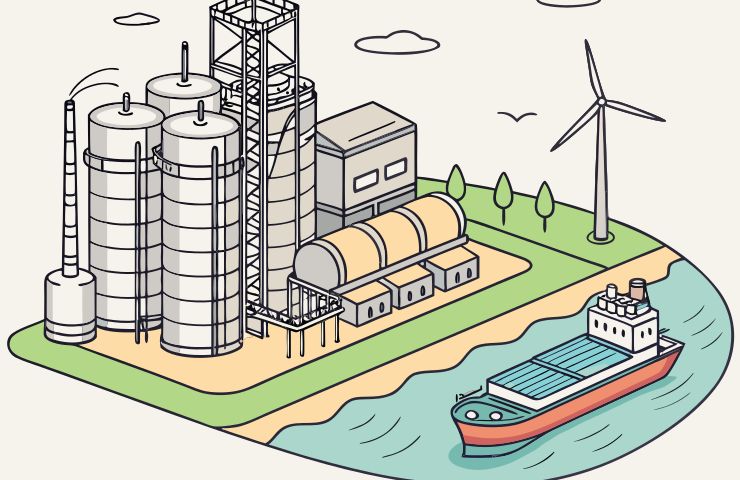
Green Methanol Plant in Odisha
January 25, 2026Earlier this month, ACME Group shook hands on a game-changing deal with IPICOL to build a brand-new green methanol plant near Paradip in Odisha. Valued at about US$1.4 billion, this facility is slated to crank out roughly 200,000 tonnes of low-carbon methanol each year—just the ticket for cleaner shipping fuel. They’re eyeing a 2029–30 launch, tapping into the area’s plentiful Odisha renewable energy supply, port connectivity, and sweeteners under India’s National Green Hydrogen Mission. This venture also marks ACME Group’s bold dive into large-scale green methanol, pushing their dream of delivering a lineup of zero-carbon molecules worldwide.
A Bold New Step for Sustainable Shipping
This build seriously steps up India’s place in the game for sustainable bunkering and shipping decarbonization. Shipping emits around 3% of the world’s CO₂, and as regulations clamp down on sulfur and carbon in marine fuels, green methanol jumps in as a drop-in fix for loads of existing vessels. ACME’s Odisha spot isn’t just ticking boxes at home; they’ve got their sights set on exports to Europe, Southeast Asia and beyond. By hooking production directly to the port, they’re cutting out middleman headaches and keeping fuel costs in check.
How the Technology Works
Here’s the magic behind the green methanol plant: wind and solar farms juice up electrolyzers that crack water into hydrogen (and release some oxygen). That hydrogen gets cleaned up and pumped to high pressure. Meanwhile, CO₂—scavenged from bio sources or even yanked right out of the air—is scrubbed and compressed. Once those streams collide in a catalytic reactor at just the right heat and pressure, you end up with methanol and water. The water gets spun off and cycled back in, while the methanol is distilled to ship-engine purity. Depending on your power mix and CO₂ source, you can slice over 90% off lifecycle greenhouse gas emissions versus conventional marine fuels. And the best part? You can store and ship it using the same infrastructure we already have for liquid fuels.
Who’s Steering the Ship?
- ACME Group: One of India’s biggest renewable energy champions, celebrated for launching the world’s first fully integrated green ammonia plant in Bikaner, Rajasthan, and now developing green hydrogen and ammonia projects in Duqm, Oman and Gopalpur, Odisha.
- Anil Taparia: COO of ACME’s Green Hydrogen and Ammonia Business Unit, the technical mastermind ensuring the plant runs smoothly and connects ACME’s carbon-free molecules to global markets.
- IPICOL: The Industrial Promotion and Investment Corporation of Odisha Ltd., your go-to partner for land deals, clearances and hooking up with local suppliers to keep everything moving at pace.
Why Odisha?
Odisha brings a perfect blend: a deep-water port at Paradip, nearby power parks pumping out competitively priced solar and wind, and ACME’s existing green ammonia plant sharing utilities, storage and trained staff. The state government is all in, offering pro-investment policies sweetened by central subsidies under the National Green Hydrogen Mission. Plus, local sources of biogenic CO₂—from agricultural residues to fermentation units—cement a steady feedstock pipeline. Put it all together and you’ve got a spot that slashes costs and guarantees steady operations, season after season.
Building India’s Green Molecules Portfolio
This project is another milestone in ACME Group’s march toward a full suite of zero-carbon fuels and chemicals. After pioneering green ammonia in Rajasthan and scoring six SECI awards for a combined 370,000 tonnes per year, they’re gunning for a 10 MMTPA ammonia capacity by the early 2030s across Rajasthan, Duqm and Gopalpur. Branching into methanol opens doors beyond fertilisers—think shipping, plastics and specialty chemicals—all hunting for low-carbon feedstocks. And with ammonia and methanol markets maturing at different paces, ACME’s diversified lineup means steadier demand and smoother revenue streams. In short, they’re serving up a complete menu of green molecules—from green hydrogen and ammonia to methanol—to help decarbonize industries worldwide.
Economic and Social Uplift in Odisha
It’s not just about slashing emissions. This green methanol plant will create a wave of jobs—from engineers and plant operators to folks in equipment manufacturing, logistics and CO₂ supply chains. It dovetails perfectly with Odisha’s strategy of leveraging its mineral assets and port infrastructure to attract new industry. ACME’s teaming up with local technical institutes to roll out training in electrolysis, catalysis and process control, boosting the region’s skilled workforce. And thanks to IPICOL’s knack for fast-tracking land allocation, clearances and community engagement, the project’s risk profile gets a serious trim. Once up and running, you’ll likely see related services—like hydrogen compression and methanol blending facilities—sprout up, anchoring these green molecules firmly in the local economy.
What Does This Mean for Shipping Decarbonization?
Freight shipping accounts for roughly 3% of global CO₂ emissions, so finding cleaner fuels is mission-critical. Green methanol shines here: you can tweak existing engines to burn it or blend it with conventional bunker fuels to chip away at carbon intensity. It also slashes sulfur oxides and nitrogen oxides emissions. Both FuelEU Maritime and the IMO’s net-zero-by-2050 roadmap give green methanol a green light. ACME’s already lining up offtake talks with major shipping lines to match production to demand. As ports worldwide upgrade bunkering standards, a reliable stream of certified green methanol could make Indian exporters a competitive force and help global fleets transition faster.
Looking Ahead
Global demand for green methanol is forecast to hit 5–10 MMTPA by 2030, so first movers like Odisha are shaping cost curves and operational know-how. ACME Group plans to fund the project through a mix of debt, internal accruals and support from multilateral development banks—proof that investors are hot for climate-aligned infrastructure. If the Odisha plant nabs its production and cost targets, we could see a domino effect: green molecules popping up in other Indian coastal states and export hubs. It’ll also supercharge India’s ambition to be a global green hydrogen and derivatives centre under the National Green Hydrogen Mission, which has funds lined up to catalyze this growth. Ultimately, as more of these plants flip the switch, we’ll see cleaner oceans, vibrant new industrial ecosystems and a real shift toward a low-carbon global economy.

 With over 15 years of reporting hydrogen news, we are your premier source for the latest updates and insights in hydrogen and renewable energy.