Green Steel Production: thyssenkrupp and Stegra Lead the Charge
January 13, 2026Up in northern Sweden, in the crisp air of Boden, you can practically hear the hum of a new industrial revolution. The roar of hydroelectric turbines mixes with Arctic breezes as renewable energy powers into the grid. It’s a perfect setting for transformation, and thyssenkrupp Materials Processing Europe alongside Stegra are rolling up their sleeves. They’re targeting a sector that today accounts for roughly 7 to 9 percent of global CO₂ emissions—central to Europe’s climate ambitions—and what’s unfolding here could rewrite the rules of steelmaking while supercharging industrial decarbonization.
Northern Sweden: A Hub for Renewable Steel Innovation
Boden has always thrived on resourcefulness. Tucked into Norrbotten County, the town taps into an impressive hydroelectric output to fuel Stegra’s 700 MW electrolyser array—enough to crank out over 3,000 GWh of green hydrogen each year. That green juice from river-fed dams is the lifeblood of their direct-reduced iron system. By 2027, Stegra aims to hit up to five million tonnes of annual capacity, all powered by zero-carbon energy. It’s already woven into a growing Scandinavian hydrogen network, with future links planned to Baltic offshore wind farms. With the European Green Deal targeting at least a 55 percent net-emissions cut by 2030, Boden is staking its claim as a frontline for green steel production.
A Landmark Agreement Unveiled
Earlier this month, two industry titans shook hands on what feels like a game-changer. thyssenkrupp Materials Processing Europe will buy a “high-six-digit” tonne volume of non-prime steel from Stegra’s flagship plant—think anywhere from 100,000 to just under a million tonnes across the initial contract. That’s steel enough to keep automotive, construction, and OEM lines humming. While non-prime grades might not hit top cosmetic or mechanical specs, they’re perfect for structural parts and general fabrication. The first shipments are queued for 2027, once Stegra’s plant is up and running and financing closes. It’s a smart move to diversify thyssenkrupp’s supply chain with certified low-carbon material to meet surging customer demand.
Behind the Technology: Hydrogen-Based Direct-Reduced Iron
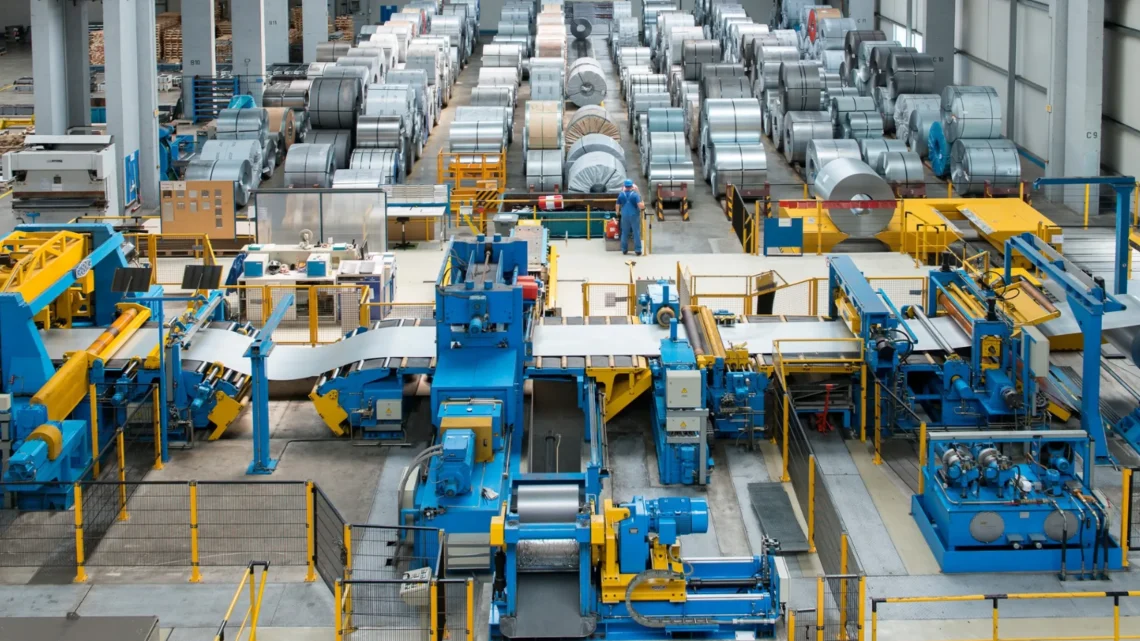
Traditional blast furnaces belch out CO₂ by the truckload. Stegra’s process flips that script. They use water electrolysis—fueled by hydropower—to split hydrogen and oxygen. That hydrogen direct-reduced iron reacts with iron ore pellets in a reduction reactor, stripping away oxygen and leaving behind sponge iron. The only exhaust? Steam. When the sponge iron goes into electric arc furnaces also powered by renewables, the whole chain slices emissions by more than 90 percent compared to classic blast-furnace routes. Exact savings depend on local grid mixes and electrolyser efficiency, but it’s a clear leap toward near-zero-carbon steel.
Monetizing Green Value: Environmental Attribute Certificates
Here’s a clever twist: environmental attribute certificates. Instead of both parties claiming the same CO₂ cuts, Stegra splits the deal in two. The physical non-prime steel heads to thyssenkrupp’s network without any direct emission claims—keeping things transparent. Meanwhile, the actual greenhouse gas benefits are sold separately to prime-steel buyers as EACs. Those buyers can then rightfully boast about their steel’s green pedigree. This setup avoids double-counting, aligns with evolving EU carbon-accounting rules, and dovetails with the upcoming Carbon Border Adjustment Mechanism.
Strategic Impacts and Market Validation
For Stegra, this contract is more than a paycheck—it’s a major de-risking play. They raised nearly €975 million after EU grants fell short, and landing a heavyweight processor as an anchor buyer strengthens investor confidence. On the flip side, thyssenkrupp broadens its raw material portfolio with certified low-carbon steel, helping its automotive, construction, and OEM clients hit tougher sustainability targets. The buzz is spreading across Europe: names like Volvo, Porsche, and ZF are already lining up. This deal proves there’s real appetite for green steel production, and it’s creating new jobs in renewable energy, electrolyser assembly, and high-tech steel processing—potentially hundreds of skilled roles in Sweden and Germany. It ties neatly into Sweden’s plan to export green hydrogen across Europe and Germany’s IPCEI hydrogen initiative.
Challenges and the Path Ahead
Of course, there are hurdles. Building a world-scale green steel plant demands serious capital, and hydrogen-based routes still carry a price premium over conventional steel. Policymakers will need to lean on incentives—like EU ETS allowances, the CBAM, and co-investment schemes—to bridge that gap. There’s also some supply-chain risk: if Stegra hits delays or cost overruns, thyssenkrupp’s supplies could stall. Plus, since non-prime steel can’t be marketed as green, the customer pool may remain limited until prime-steel volumes ramp up. Growing pains are inevitable when you’re flipping an entire industry, but they highlight the need for solid regulatory support and close collaboration.
Conclusion: A Glimpse into Europe’s Low-Carbon Steel Future
All in all, this partnership is setting the stage for a new era of steelmaking. thyssenkrupp Materials Processing Europe and Stegra are showing that hydrogen can do more than just talk—it can fire up the furnaces of tomorrow. By pairing a robust industrial network with cutting-edge electrolysers and a smart EAC model, they’re carving a path toward net-zero steel. The lessons learned here will ripple through other energy-intensive sectors, proving that sustainability and growth can go hand in hand. This collaboration ticks all the boxes of the European Green Deal’s 2030 and 2050 goals and offers a blueprint for replication in Germany’s industrial belts or Spain’s sun-drenched provinces. We’re getting a front-row seat to the future: a steel industry fueled by hydrogen, reshaped at its core, and ready to rebuild our world—clean as Scandinavian snow.
 With over 15 years of reporting hydrogen news, we are your premier source for the latest updates and insights in hydrogen and renewable energy.