Guofu Delivers 424 High-Pressure Systems for China’s Largest Fuel Cell Bus Fleet
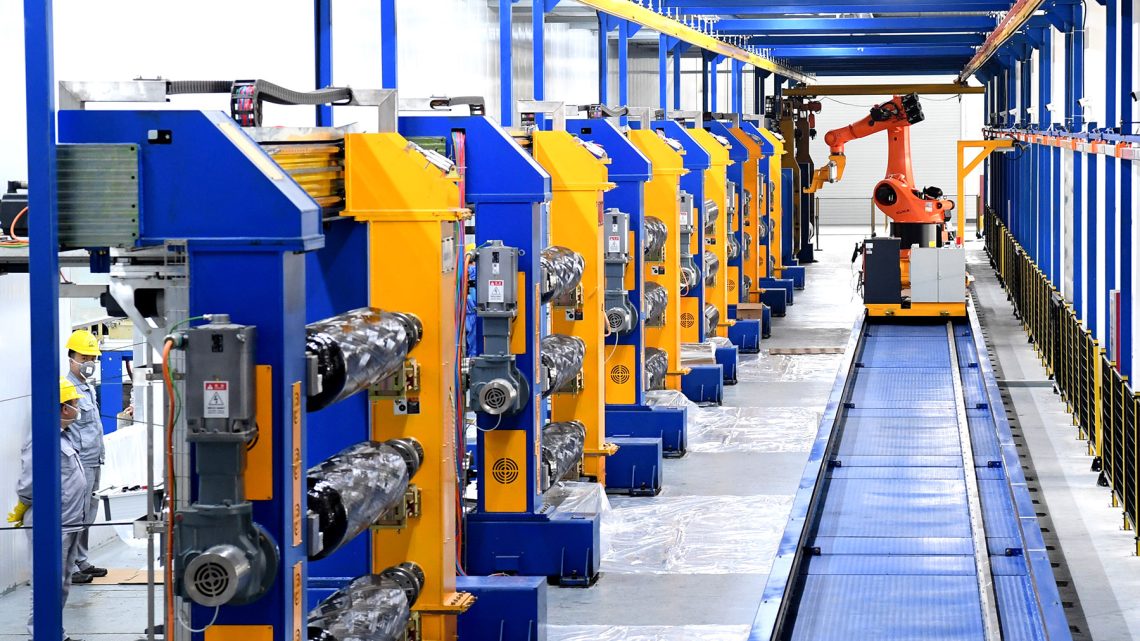
January 5, 2026Jiangsu Guofu Hydrogen Energy Equipment Co., Ltd. has announced they’d just shipped 424 of its on-board high-pressure hydrogen supply systems to Guangzhou in Guangdong province. It’s being called China’s largest hydrogen fuel cell bus rollout, and it’s a clear signal that urban hydrogen storage for clean public transport is moving from concept to reality.
Every on-board high-pressure hydrogen supply system is built to handle high pressures without breaking a sweat. We’re talking leak-proof designs, rapid fill-and-drain cycles, and the knack for adapting to heat, cold, you name it. Plug these modules right into fuel cell buses, and they promise a consistent, reliable power output—rain or shine—perfect for jam-packed city lines.
Accelerating Low-Carbon Transit
Guangzhou’s push is part of China’s national demo city program for hydrogen energy. By mid-2025, data from Guofu’s home base in Zhangjiagang showed over 220 hydrogen vehicles and five refueling stations cutting more than 10,000 tons of CO₂. Now Guangzhou’s scaling up that playbook with:
- Modular, vehicle-mounted hydrogen storage units
- Dedicated, high-pressure refueling stations
- Real-time fleet monitoring to optimize consumption
From Breakthrough to Market Power
Since its launch in 2016 in Zhangjiagang, Jiangsu province, Guofu has zoomed from building standalone hydrogen tanks to becoming a full-scope provider in the hydrogen infrastructure space. Highlights along the way include:
- Rolling out China’s first civilian-grade hydrogen liquefier (10 t/day)
- Teaming up in Southeast Asia on an overseas electrolyzer joint venture
- Scoring contracts in over 20 countries across three continents
- Partnering with Germany’s Wankel Aviation on hydrogen aircraft engines
Then, in November 2025, Guofu hit the Hong Kong Stock Exchange with the first full-chain hydrogen equipment IPO—an IPO that really put them on the map as leaders in fuel cell technology.
Strategic Implications
Dropping 424 systems all at once doesn’t just equip a fleet; it bolsters China’s energy security by cutting reliance on imported hydrogen parts. At the same time, it slashes the total cost of ownership for hydrogen fleets—thanks to economies of scale, local manufacturing, and a smoother supply chain—giving other cities a blueprint to follow.
Looking Ahead
With the global race for hydrogen infrastructure heating up, Guofu’s Guangzhou win shows that hydrogen fuel cells are finally ready for the big leagues in heavy-duty transport. The plan? Ship over 200 MW of equipment by the end of 2025 and make strides into aviation and integrated energy solutions. Now, everyone from policymakers to fleet operators is asking: can local supply chains keep up, and which megacity will be the next to roll out a zero-emission bus network?
In a world sprinting toward sustainable energy, the Guofu-Guangzhou partnership is proof in the pudding: large-scale hydrogen storage isn’t some distant dream—it’s rumbling through city streets today.
 With over 15 years of reporting hydrogen news, we are your premier source for the latest updates and insights in hydrogen and renewable energy.