Hanseatic H2 JV Pioneers Modular 5MW Electrolysis Plants for Green Hydrogen Production in Germany
January 13, 2026You’d think only sprawling, coastal green hydrogen plants could move the needle, but a fresh partnership is turning that idea upside down. On January, 2026, H2APEX Nova Holding GmbH and East Energy Group joined forces to create Hanseatic H2. Their goal? Deploy four standardized 5MW electrolysis installations across Northern and Eastern Germany. By producing hydrogen right where it’s needed—at truck depots, bus hubs or small industrial parks—they’re aiming to turbo-charge regional hydrogen production and bring these sidelined areas into the green hydrogen spotlight.
From Mega-Projects to Local Hubs
When Germany rolled out its National Hydrogen Strategy in 2020, the spotlight was all on megaprojects like the 100MW IPCEI-backed Lubmin facility. But as the regulatory landscape matured and mobility players clamored for low-carbon fuel, the need for agile, decentralized solutions became crystal clear. Hanseatic H2 responds to that shift with repeatable, plug-and-play 5MW modules designed to slash permitting and construction times.
It’s part of a bigger trend: while gigawatt-scale plants still feed heavy industry, you don’t need mega-facilities to decarbonize transport or serve local clusters. Trailer-delivered hydrogen, made on-site, sidesteps pipeline headaches and eases delivery bottlenecks.
Meeting Mobility’s Appetite for Green Hydrogen
The spark for Hanseatic H2 came from a rising tide of hydrogen fuel cell buses, heavy trucks and warehouse forklifts demanding RFNBO-compliant hydrogen. With European mandates favoring renewable fuels of non-biological origin, fleet operators are under pressure to shrink their carbon footprints. By standardizing plant designs, the JV expects to drive down costs and ensure every load ticks the right regulatory boxes.
Both partners point to clearer EU and German rules as a game-changer, alongside East Energy’s renewable development chops. Together, they’re betting that this policy clarity will supercharge their bid to deliver competitively priced green hydrogen.
How the 5MW Modules Work
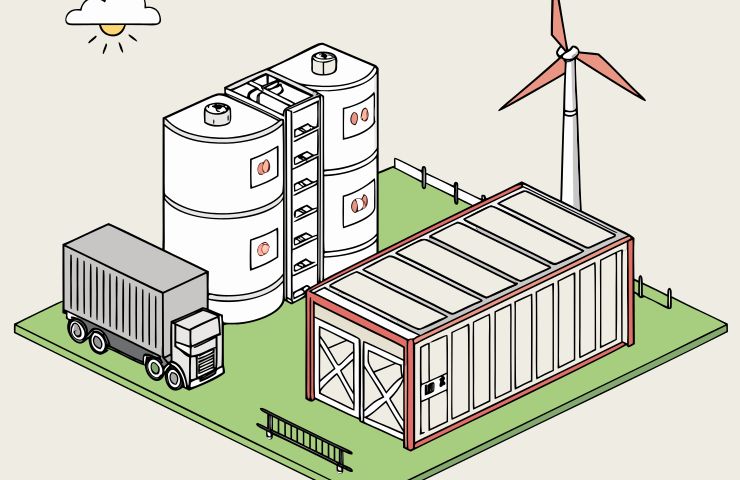
Each site will host a 5MW electrolysis plant that splits water into hydrogen and oxygen using power from wind farms or solar parks. Thanks to a lean, modular design, electrolyzer stacks, power electronics and cooling systems all follow the same blueprint—no reinventing the wheel for every location.
That uniformity doesn’t just speed up rollout; it simplifies operations and maintenance and makes future scaling a breeze. When demand outstrips a single 5MW unit, operators can simply bolt on more modules, no major re-engineering required.
Strategic Strengths of H2APEX and East Energy
H2APEX Nova Holding GmbH has built its reputation delivering turnkey hydrogen solutions and leading EPC for marquee projects—most notably the 100MW Lubmin plant backed by IPCEI. This JV lets them broaden their footprint into modular deployments primed for replication across Europe.
On the flip side, East Energy Group brings deep expertise in renewable energy development out of Rostock. Their track record securing permits, managing grid connections and integrating wind and solar power will be vital for locking in reliable, long-term electricity agreements.
Regional Impact and Economic Upside
Northern and Eastern Germany—regions steeped in heavy industry and maritime transport—are gearing up for the sustainable energy era. Rolling out four modular plants will spark new jobs in engineering, assembly and upkeep, while strengthening supply chains for electrolyzer components made across Germany.
From an environmental standpoint, swapping diesel for green hydrogen in transport and logistics hubs translates into a real cut in CO₂ emissions. As these small-scale sites come online, they’ll feed into a broader hydrogen infrastructure, making zero-emission refueling accessible to operators without pipeline access.
Overcoming Challenges
No venture sails without some headwinds. The partners flag the need for stable RFNBO rules and a steady supply of renewable electricity. Grid constraints could crimp output, and any sudden policy shifts might inject uncertainty.
To stay on track, H2APEX and East Energy plan to work hand-in-glove with regional grid operators and local authorities. Early power purchase agreements (PPAs) and tight coordination on permitting are at the top of their to-do list.
Looking Down the Road
In the next few months, the teams will nail down the Hanseatic H2 corporate setup, secure land leases and kick off engineering orders. Construction is slated for late 2026, with first hydrogen deliveries expected in early 2027. If it all goes smoothly, this modular model could expand into other European markets, offering a template for decentralized hydrogen production.
In a world where headline-grabbing giants dominate the conversation, this JV reminds us of the untapped potential in agile, local solutions. By bringing green hydrogen straight to Germany’s mobility hotspots, Hanseatic H2 might just be the catalyst that bridges the gap between massive projects and on-the-ground demand—one 5MW plant at a time.

 With over 15 years of reporting hydrogen news, we are your premier source for the latest updates and insights in hydrogen and renewable energy.