High-Pressure Electrolyser Partnership Propels Green Hydrogen Production
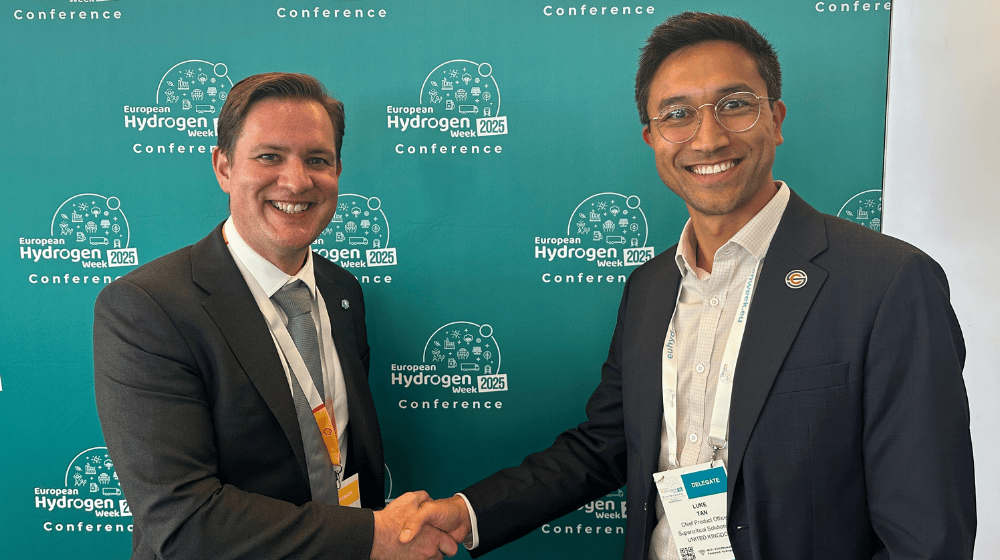
January 13, 2026Guess what—the hydrogen scene just got a major jolt! UK trailblazers Supercritical Solutions Ltd and industry heavyweight Shell Global Solutions International B.V. have struck a non-exclusive deal for a paid feasibility study that could catapult Supercritical’s patent-pending high-pressure membraneless electrolyser from the lab bench to a full-on industrial pilot. Trust me, green hydrogen production is about to go warp speed.
In simple terms, they’re rolling up their sleeves and digging into performance metrics, safety protocols and a deep techno-economic dive. The ultimate aim? Show that this sleek system can crank out ultra-pure hydrogen at over 200 bar, cut costs left and right, and strip away supply chain headaches. If they pull it off, heavy hitters in refining, fertilizers and beyond could be looking at a whole new way to unlock renewable hydrogen.
Under the Hood: Ultra-High Pressure Electrolysis
Here’s where it gets really cool. Most electrolysers top out around 30–80 bar before you need a giant compressor to get to the pressures chemical plants demand. Supercritical’s approach flips that on its head. By running the cell itself at 200+ bar, the hydrogen comes out ready for action—no extra squeeze needed.
So what’s happening inside? Water flows to electrodes in a sturdy, high-temp, high-pressure chamber. With no polymer membrane in sight, the system relies on clever flow dynamics and tough materials to keep hydrogen and oxygen apart. The payoff?
- Efficiency as low as 42 kWh/kg H₂ (95% HHV), outpacing many PEM setups.
- 99%+ purity without any extra clean-up steps.
- Zero membrane swaps—no surprise service calls every few years.
- No rare-earth metals or fancy catalysts, so supply risks shrink.
And maintenance? A breeze. Fewer parts means fewer headaches and a longer lifespan. No wild pressure swings to gouge your bottom line. It’s the kind of plug-and-play simplicity engineers drool over.
Why This Matters
Let’s be real—setting up a green hydrogen production plant often feels like juggling flaming chainsaws. Between capex, opex, compressors and membranes, complexity spirals. Supercritical’s tech is like a crash course in de-risking it all:
- Up to 20% production cost cuts by ditching compressors and peripheral gear.
- Modular, plug-and-play design that snaps into existing sites.
- Over a decade of life with minimal downtime.
- Seamless pairing with solar or wind, smoothing out the ups and downs.
- Up to 90% fewer carbon emissions compared to grey hydrogen.
Why get excited? Industrial hydrogen—think ammonia, methanol, refining—accounts for almost 90% of global H₂ appetite. Slash costs here, and green hydrogen can finally go head-to-head with grey without losing steam on capacity or reliability.
Power Moves: Partnerships and Policy
This collaboration didn’t pop up overnight. Shell first spotted Supercritical through its New Energy Challenge back in 2021. Fast-forward to March 2025, and Shell Ventures and Toyota Ventures teamed up on a £14 million Series A to scale things up. Now, Shell Global Solutions is footing the bill for a firm feasibility study covering:
- Benchmarking performance under real-world industrial loads.
- Thorough process safety checks.
- In-depth techno-economic modelling of costs and revenues.
Non-exclusive? You betcha. Shell wants to keep its options open while backing a winner. On top of that, policy tailwinds—from the EU’s RED III to national net-zero targets—are giving this partnership an extra push. It’s the perfect storm of innovation, funding and regulation.
Big Picture: From Grey to Green
Here’s the kicker: the world guzzles nearly 100 million tonnes of hydrogen every year, mostly “grey” and loaded with CO₂. Swapping even a chunk of that for renewable hydrogen could shave off gigatons of emissions. And since Supercritical’s system delivers high-pressure H₂ straight out of the gate, you skip the extra energy and dollars spent on compression. That’s a huge advantage for industries needing hydrogen at 150–220 bar:
- Fertilizer factories ditching natural gas.
- Oil refineries cutting emissions in hydrotreating.
- Methanol makers (like HAMR Energy) eyeing 20% cost cuts.
- Distilleries (say, Suntory Global Spirits) firing up stills with zero-emission hydrogen.
Investors are taking notes—de-risking these hydrogen pilot demonstrations paves the way for gigawatt-scale rollouts. Regulators are grinning too, since this tech ticks boxes on reliability, cost-effectiveness and environmental impact.
Next Steps: Scaling Up
With the blueprint laid out, Supercritical and Shell will spend the next few months fine-tuning pilot designs, nailing down safety protocols and sharpening those cost models. Hopefully soon we should see pilot systems humming away at industrial sites—delivering green hydrogen production without compressors, membranes or exotic materials.

 With over 15 years of reporting hydrogen news, we are your premier source for the latest updates and insights in hydrogen and renewable energy.