
How Plug Power’s 15-Year GenKey License Deal with Walmart Reshapes Partnership
January 14, 2026A New Chapter in Partnership
You ever notice how agreements from years back can still shake things up in today’s clean-energy scene? Plug Power—the U.S. specialist in hydrogen production solutions—just locked in a 15-year Release Event License Agreement with retail heavyweight Walmart. Instead of handing over precious IP, Plug Power is giving Walmart conditional access to its GenKey System maintenance manuals, while waving goodbye to the old warrants and participation perks from their 2017 deal. The bottom line? Plug Power pockets immediate and annual licensing fees, and investors dodge a chunk of potential share dilution.
Inside the GenKey License Deal
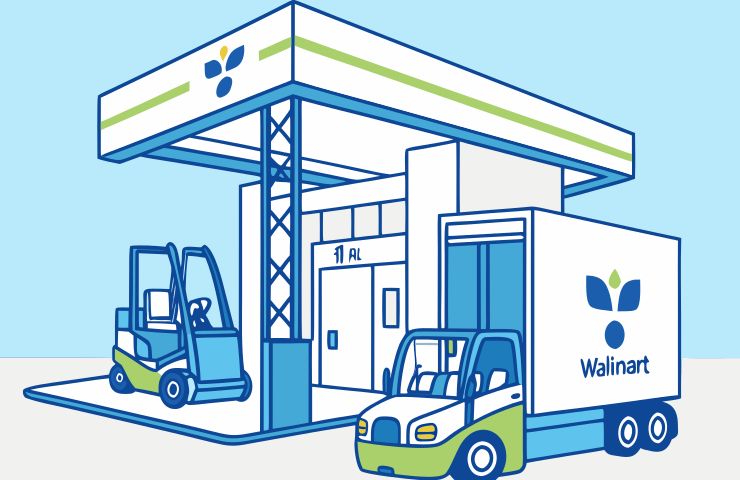
Here’s the scoop: under this new setup, Walmart can handle in-house maintenance on its fleet of hydrogen fuel cell forklifts and material-handling rigs. They’ll be able to vet stack suppliers, swap parts, and keep things ramped up without owning Plug Power’s secret sauce. For Plug Power, it’s a win-win: turning existing IP into cold, hard cash, axing those old warrants born in the green hydrogen boom, and locking in steady fee revenue—no full tech handover required.
Market Ripples and Analyst Calls
News of the tie-up sent Plug Power shares on a classic rollercoaster. Reports say the stock popped on Thursday, then cooled off on Friday after TD Cowen downgraded the stock from Buy to Hold and slashed its price target from $4 to $2, citing a more tempered view on near-term earnings. By Monday, momentum swung back when Clear Street bumped it up from Hold to Buy with a $3 target, pointing to the cost-cutting mojo in Project Quantum Leap. It’s a perfect illustration of how sensitive the industrial decarbonization and hydrogen production space can be to both headline deals and shifting analyst takes.
Strengthening the Balance Sheet
But it’s not just about the upfront fees. Plug Power is also shooting to trim $150–200 million a year via Project Quantum Leap, revamping everything from plant ops and supply chains to overhead. At the same time, they’ve reworked $430 million in convertible notes, while their $1.66 billion U.S. Department of Energy loan application is still pending. All these moves aim to give Plug Power the runway it needs to ramp up its liquid hydrogen production hubs—in Georgia, Tennessee, and Louisiana, totaling 40 tons a day—while wrestling with a tighter capital market.
Context in the Broad Hydrogen Economy
Since day one in 1997, Plug Power has rolled out more than 72,000 fuel cell systems and over 275 fueling stations across the globe, cementing its role in the ever-expanding hydrogen infrastructure. Big names like Amazon, Home Depot, BMW, and BP lean on Plug Power’s end-to-end setups—from electrolyzers and storage to delivery and fueling networks. This latest deal with Walmart dovetails neatly with a multi-year hydrogen supply extension through 2030 and fresh U.S. clean hydrogen incentives that are turbocharging green hydrogen adoption.
Why This Matters for Hydrogen Production
At heart, this agreement highlights a maturing hydrogen production ecosystem. Partners aren’t chasing flashy IP transfers anymore; they want reliability, tighter cost control, and smooth operations. By retiring those old warrants, Plug Power trims back equity dilution and locks in new fee streams. For Walmart, having guaranteed maintenance playbooks means less downtime and steadier operating costs across its distribution centers. It’s a solid blueprint for how strategic alliances can shift from speculative bets to sustainable service deals.
With the next earnings call around the corner and a big shareholder meeting on the books, everyone’s watching to see how this licensing deal feeds into Plug Power’s march toward profitability. Can Project Quantum Leap hit its ambitious cost-cut targets? Will the U.S. Department of Energy give the green light to that $1.66 billion loan? And could this conditional IP licensing model become the new norm in the fuel cell technology arena? One thing’s clear: as the push for industrial decarbonization and green hydrogen heats up, crafting clever partnership deals might be just as critical as the chemistry powering zero-emission forklifts and trucks.
About the Company
Plug Power delivers end-to-end hydrogen solutions—from electrolyzers and liquid hydrogen production to storage, delivery, fuel cell technology, and fueling infrastructure—for material handling, industrial applications, and power generation markets worldwide.

 With over 15 years of reporting hydrogen news, we are your premier source for the latest updates and insights in hydrogen and renewable energy.
