
Hydrogen AI Infrastructure: PEM Chair’s HyConnect Platform Optimizes Station Bookings
January 13, 2026As Germany’s trucking scene bumps along with fewer than 100 working hydrogen refuelling stations, fleets running hydrogen fuel cell trucks are juggling routing nightmares, surprise costs and downtime. That’s exactly why the PEM Chair at RWTH Aachen University has rolled out HyConnect, a two-and-a-half-year pilot backed by North Rhine-Westphalia’s Ministry of Economic Affairs. Led by Prof. Achim Kampker and steered day to day by Maximilian Bayerlein, the project pulls together H2 Mobility, H2 Green Power & Logistics, Mansio and the Digital Supply Chain research group at Offenburg University of Applied Sciences to smooth out station slot bookings, payments and demand matching for heavy-duty hydrogen fuel cell trucks.
Streamlining Hydrogen Logistics
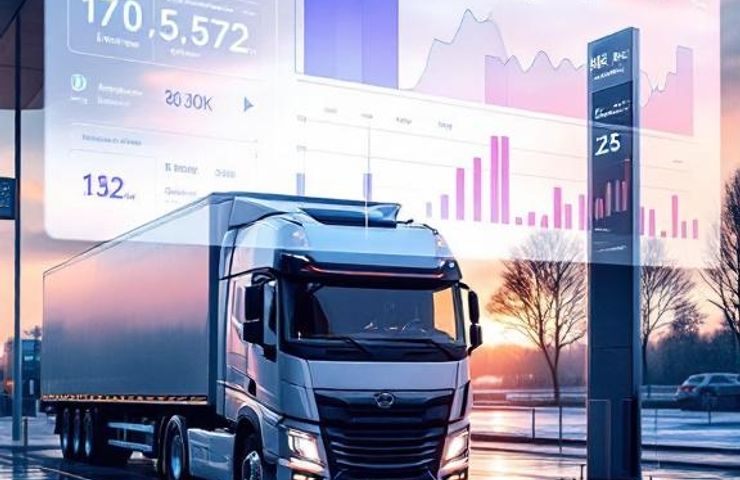
At its core is the HyConnect Digital Platform, a cloud hub that marries up-to-the-minute fleet requests with live status updates from partner stations. Drivers can lock in fill slots days in advance, secure refuelling windows and settle bills in a few clicks. A built-in pricing engine then tweaks hydrogen rates on the fly based on forecasted utilization, helping break the cycle of sky-high prices when volumes are low.
Technical Blueprint & Data Security
Under the hood, HyConnect relies on an AI-based Data Interface that speaks everyone’s language—whether you’re on an old ERP or the latest telematics system. Fleets stream telemetry and route plans; station teams broadcast live pressure readings, status alerts and throughput via secure APIs. Machine-learning models then crunch that data to optimize slot assignments, flag conflicts early and auto-reroute trucks if a pump goes offline.
And because nobody wants their business details floating around, HyConnect wraps every transaction in end-to-end encryption and follows ISO/IEC 27001 standards. Its microservices-driven cloud design means adding new stations or fleets doesn’t require API rewrites—letting this digital layer scale right alongside Europe’s growing hydrogen infrastructure.
Strategic Impact on Infrastructure Development
Germany’s network is gearing up for a shake-out: dozens of 700-bar stations are set to retire by 2025, leaving the country shy of the EU’s AFIR benchmarks—one station every 200 km on main corridors by 2025 and every 400 km by 2030. As Prof. Kampker warns, even a small detour for a refill can wipe out any operational gains. Reliable booking isn’t a nice-to-have; it’s essential. By feeding investors real-time utilization data, HyConnect arms them with the insights they need to underwrite new sites and helps policymakers track actual usage ahead of a multi-thousand-station rollout.
Collaboration and Market Dynamics
According to Maximilian Bayerlein, low early volumes have driven hydrogen prices through the roof and slowed fleet adoption. “By pooling demand and smoothing out price swings, we’re cutting risk for both users and station operators,” he says. Partners like H2 Mobility gain more predictable revenue forecasts, Mansio brings its logistics planning chops, and H2 Green Power & Logistics guarantees full transparency on green hydrogen origins.
Collateral Benefits: Reliability and Decarbonisation
Simulations by the Digital Supply Chain research group show fleets could slash unscheduled diversions by up to 15% per delivery cycle. Better asset utilization doesn’t just bolster the bottom line—it trims carbon emissions by cutting backup diesel runs and sharpening route efficiency. That aligns perfectly with Germany’s 2045 climate-neutrality goals and broader industrial decarbonization efforts.
EU Outlook and Scalability
While pipeline operators like OGE have booked capacity online for ages, station networks haven’t had a similar tool—until now. With its open API schema and harmonized data model, HyConnect is built for cross-border growth. The current NRW pilot covers eight stations; if the metrics look promising, the next step will be tying German hubs into Dutch and Belgian networks, helping Europe hit its AFIR density targets by 2030.
Future Directions
In the short term, fleets using HyConnect will get tighter control over routing and fuel spending, while station investors enjoy robust utilization analytics that lower financing costs. Down the road, integrating renewable energy forecasts could enable dynamic hydrogen pricing aligned to electrolyser output. Eventually, this could become the go-to reservation system for a mature hydrogen infrastructure, much like airline booking underpins modern air travel.
By blending slick data sharing, smart AI scheduling and on-the-fly pricing, HyConnect nails the last digital piece for smooth hydrogen logistics, unlocking real-world scales of fuel cell technology for heavy trucks and paving the road toward a sustainable energy future.

 With over 15 years of reporting hydrogen news, we are your premier source for the latest updates and insights in hydrogen and renewable energy.