
Hydrogen Blending Partnership to Modernize India’s Gas Infrastructure
January 13, 2026When India’s Petroleum and Natural Gas Regulatory Board (PNGRB) sat down over chai with Germany’s Deutsche Vereinigung des Gas- und Wasserfaches (DVGW) in Gandhinagar this month, they kicked off something pretty groundbreaking. They inked a non-binding Memorandum of Understanding (MoU) to weave hydrogen blending into India’s existing gas grid—starting with up to 20% green hydrogen and dreaming of a full 100% down the road. It all aligns snugly with India’s National Green Hydrogen Mission, aiming to boost energy security while cutting carbon in one fell swoop.
The ceremony itself was fittingly hosted in Gandhinagar, Gujarat—a buzzing hub known for the Vibrant Gujarat Summit and blessed with hefty natural gas reserves that fuel both local refineries and city gas networks. Since becoming the state capital back in 1965, this city of just under 300,000 has quietly built a reputation as a testbed for energy transition ideas. Having the German Chancellor on hand to witness the signing highlighted how local strengths—think robust manufacturing muscle and deep engineering know-how—can supercharge the shift to cleaner fuel across the country.
How Hydrogen Blending Works
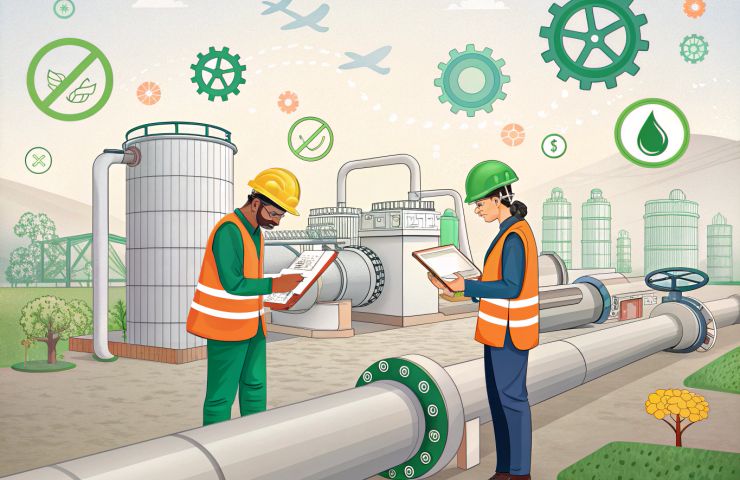
At its heart, the idea is deliciously simple: blend green hydrogen with natural gas so you slash greenhouse emissions without ripping out existing pipes. Kick things off with a 20% hydrogen mix, using the same compressors, valves and sensors already in place. DVGW’s Hydrogen Readiness Testing Scheme (HRTS) lays down the rules—everything from material compatibility checks to pressure tests and safety protocols. Under this PNGRB DVGW partnership, experts from both sides will tweak those specs, tapping into local Gujarat metallurgists and engineers to make sure every pipe, weld and leak detector lives up to stringent standards. It’s all about building true hydrogen-ready gas infrastructure, made in India for India’s future.
Solving Real-World Problems with Clean Energy
This isn’t just a lab experiment. The plan is to roll out pilot projects in industrial corridors—from coastal refineries to inland manufacturing clusters—and show how a 20% hydrogen blend can chop about 10% off CO2 emissions right out of the gate. As those blend ratios climb, even bigger cuts come into play. City gas distribution, fertilizer factories, heavy industry—everyone stands to gain. Cleaner gas flowing through familiar pipelines means fewer street-to-street disruptions and a smoother ride toward lower emissions.
Economic Growth and Local Benefits
On the economics side, this PNGRB DVGW partnership lets India flex its manufacturing and technical muscles. New standards create demand for compressors, pressure regulators and advanced sensors that local factories are poised to churn out. That means jobs—construction crews, testing labs, certification bodies and field technicians. Gujarat’s seasoned engineering workforce will be front and center, keeping costs competitive and recycling savings straight back into scaling up green hydrogen infrastructure. It’s a win-win: local GDP gets a boost, and India cements its spot as a global clean energy hub.
Strengthening Regulatory Framework
Behind the scenes, the MoU is setting the stage for a modernized rulebook. Think amendments to the PNGRB Act to formally cover hydrogen pipelines, smoothing out the red tape for future pure hydrogen transport. This clarity is a magnet for investors and utilities itching to pour in capital. With DVGW’s knack for drafting bulletproof technical rules and PNGRB’s regulatory oversight, India is crafting a governance model that strikes the right balance between innovation and safety—no bureaucratic logjams, just real momentum.
Building on a Strong Historical Foundation
This initiative is a proud extension of the Green and Sustainable Development Partnership (GSDP) between India and Germany, launched in 2022 with a joint commitment of €10 billion. So far, nearly half of that cash has gone into solar, wind and green ammonia ventures. By adding hydrogen grid integration to the mix, both countries are doubling down on their shared vision—and writing the next chapter in Indo-German energy cooperation. Previous deals, like the half-million-ton-per-year green ammonia pact between AM Green and Uniper, show how ready both sides are to scale up clean fuels and swap best practices.
Positive Ripple Effects Across Sectors
It doesn’t stop at pipelines. Rolling out hydrogen-ready gas infrastructure kick-starts a whole ecosystem: electrolyzer plants, storage solutions, digital monitoring tools. Suddenly, local R&D centers have a reason to innovate next-gen tech, while mining and refining get a lift from rising demand for critical minerals. And let’s not forget the small and medium enterprises—they’ll find fresh opportunities servicing this growing network. Community training programs will equip technicians with hands-on expertise, closing the loop on skills development and building a sustainable supply chain from the ground up.
Navigating Challenges and Ensuring Safety
No big switch like this is plug-and-play. Retrofitting pipelines for higher hydrogen content means some components need serious material vetting—or outright replacement. Hydrogen behaves differently than methane, so leak-detection systems and odorization norms must be recalibrated. That’s why the MoU calls for joint working groups and simulation labs where experts can run thousands of scenarios. Safety drills and certification programs will keep operators and first responders sharp, making sure everyone knows what to do, come what may.
Looking to the Horizon
With the blueprints approved, it’s time to roll up our sleeves. Pilot projects are set to launch across Gujarat, Maharashtra and Karnataka, ratcheting up hydrogen ratios and collecting performance data in real time. A national registry of hydrogen-capable assets and an open-access database of material tests will help everyone learn on the fly. Each phase brings fresh insights, standards evolve, and regulatory approvals get smoother. That’s the genius of a phased approach—learning from wins and stumbles alike before scaling to a full-blown national hydrogen network.
At its core, this PNGRB DVGW partnership is more than just a trade deal—it’s a testament to how diplomacy can drive tangible progress in clean energy. German experts get a front-row seat to India’s massive, diverse market, while Indian regulators and engineers tap into decades of European safety and testing know-how. It’s a true two-way street—knowledge, investment and ambition flowing in both directions to tackle global challenges with local solutions.
In the end, this MoU signals India’s readiness to lead in the green hydrogen infrastructure game, leveraging its industrial heft and policy drive. Germany, in turn, cements its place as a technology ally, sharing the playbook for safe, efficient hydrogen transport. For businesses, citizens and the planet, the payoff could be massive: cleaner air, steadier energy costs, new careers and a roadmap for resilient, low-carbon energy systems. Now comes the real test—turning these plans into pipelines and making the promise of hydrogen a reality.
 With over 15 years of reporting hydrogen news, we are your premier source for the latest updates and insights in hydrogen and renewable energy.