Hydrogen cars: China Strengthens National Safety Standards for Fuel Cell and Hydrogen Vehicles
February 20, 2026China’s new energy vehicles scene just got a turbo boost. The Ministry of Industry and Information Technology (MIIT) is tightening up hydrogen safety standards for hydrogen cars, working hand-in-glove with heavy hitters like the China Automotive Technology and Research Center (CATARC), Tongji University, Zhejiang University and the National Technical Committee for Hydrogen Energy Standardization. Their playbook? Bring testing methods into harmony, slash the guesswork, and help China hit targets like 50,000 fuel cell electric vehicles by 2025 and a cool 1 million by 2030. By spelling out where to put sensors, how to manage pressure, and what an emergency shutdown should look like, they’re laying the foundation for safer, more reliable hydrogen mobility.
Driving Safety with GB/T 24549-2020
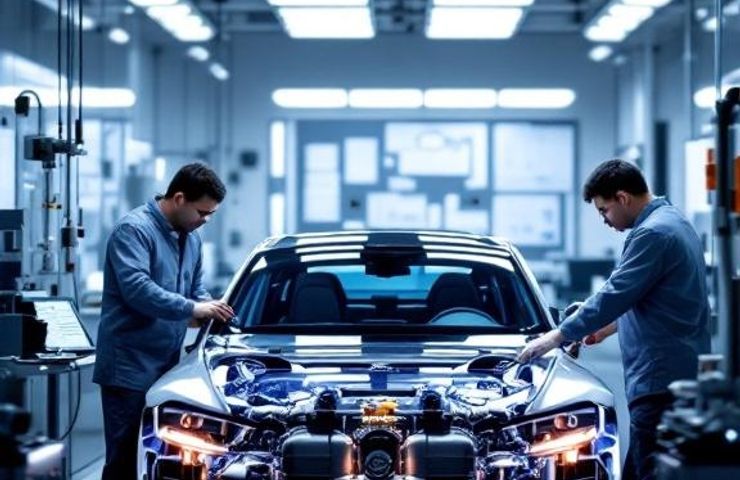
At the heart of this push is GB/T 24549-2020, basically the safety manual for fuel cell electric vehicles at both the car and system level. Think hydrogen detectors in all the right spots, fail-safe pressure relief valves, smart ventilation, and a clear-cut emergency stop routine to nip leaks and fires in the bud. Crashworthiness tests make sure storage tanks don’t turn into projectiles. CATARC led the charge on this one, with Tongji and Zhejiang pitching in, and the result is a crystal-clear playbook that cuts through red tape, nudges everyone toward uniform testing, and gives automakers and labs the confidence to roll out compliant, certified machines.
Broadening the Scope: Hydrogen ICE and Compressed Systems
The standards sprint doesn’t stop at fuel cells. Draft rules for hydrogen internal combustion engines (ICEs) and compressed gaseous hydrogen (CGH₂) fuel systems are now up for grabs. The ICE draft lays down the law on safe tank setups, fuel line checks, engine controls, and exhaust treatment—so they’re on par with FCEVs when it comes to safety. The CGH₂ guidelines tackle everything from high-pressure tank design and hydrogen-natural gas blending, to refueling interfaces and rigorous leak tests. We’re talking burst-pressure trials, impact simulations, and endurance runs in scorching heat and freezing cold. With public feedback open through early March, automakers, parts makers, and research labs have a real shot at shaping these rules. Aligning benchmarks across different hydrogen fuel systems means a smoother ride from prototype to pump.
Historical Context: From Early NEV Ambitions to Hydrogen Highways
None of this came out of thin air. China’s hydrogen roadmap rides on the coattails of earlier new energy vehicles ambitions. The initial policy was modest—5,000 FCEVs on the road by 2020—but it quickly ramped up to a 50,000-by-2025 target and a million by 2030. Provinces have chipped in by waiving certain hazardous-chemicals approvals for hydrogen projects, slashing both costs and paperwork. The ‘Hydrogen Highways’ scheme sweetened the pot by giving FCEVs a toll-pass on major routes. On the Beijing–Shanghai corridor, heavy-duty hydrogen trucks clocked up to 1,500 km per fill-up, proving the concept in real-world conditions. Meanwhile, an overhaul of 21 hydrogen-related standards has kicked off this year, with over 30 more slated for next year, covering everything from production to refueling—cementing China’s claim as a global hydrogen pioneer.
Collateral Impacts and Industry Growth
These hydrogen safety standards are more than just paperwork; they’re a growth engine for the industry. Toll waivers for FCEVs have already chopped hydrogen-hauling costs by about 25% on key freight lanes. A harmonized safety framework also eases the China Compulsory Certification (CCC) grind, fast-tracking products from lab bench to showroom floor. It’s sparking demand for high-pressure composite tanks, next-gen hydrogen compressors, smarter sensors, and refueling stations. At the same time, research groups at Tongji and Zhejiang are cooking up solid-state battery systems and new safety materials, feeding fresh ideas back into the ecosystem. For carmakers, suppliers, and station operators, clear rules mean lower risk and a faster path to market. Sure, anyone who can’t keep pace might be left scrambling, but overall, these measures are weaving a robust, investor-friendly hydrogen network.
What’s Next in the Standards Landscape?
On top of the existing playbook, the National Technical Committee for Hydrogen Energy Standardization just rolled out 19 new draft standards covering hydrogen quality, production methods, storage practices, safety testing, and application guidelines. Stakeholders have until early March to weigh in before MIIT locks them in. Meanwhile, updated electric vehicle battery safety regs are set to kick off mid-year, dovetailing with hydrogen policies to create an all-in-one new energy vehicles strategy. Looking ahead, China plans to sync its hydrogen standards with global benchmarks like ISO/TC 197—both to ease cross-border trade and to export its homegrown know-how. By filling a gap in the international rulebook, these standards could become the blueprint for other countries eyeing a hydrogen future.
Bottom line
China is making it clear: it’s all-in on the energy transition. By spelling out detailed rules for fuel cell electric vehicles, hydrogen internal combustion engines, and compressed hydrogen systems, MIIT and its partners have built a safety-first, scalable framework. With these guidelines in place, the country’s hydrogen industry is revving up for rapid growth—fueling the next chapter in clean mobility and industrial decarbonization.


 With over 15 years of reporting hydrogen news, we are your premier source for the latest updates and insights in hydrogen and renewable energy.