Hydrogen ferry plan to link Swansea and Southwest England Gains Public Support
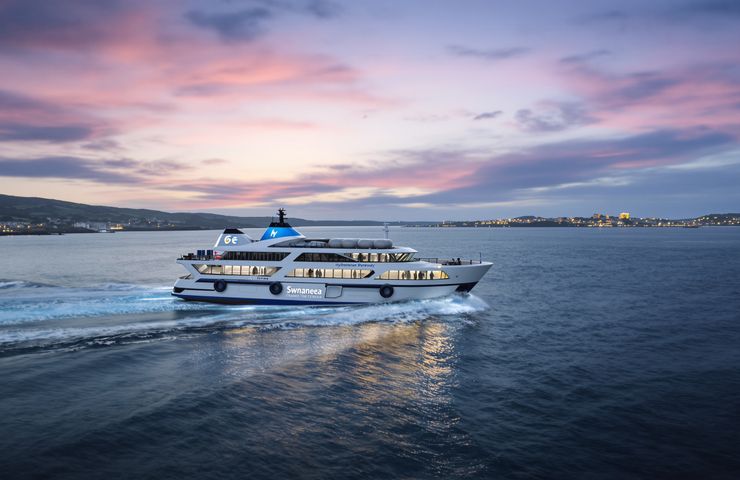
January 11, 2026Swansea Council has unveiled the findings from its most recent community poll—and guess what? Almost everyone is buzzing about a hydrogen ferry linking Swansea in south Wales with southwest England. Branded as both a ticket to stronger regional ties and a leap toward low-carbon transport, this ferry concept—often nicknamed the Swansea-Devon ferry—could finally turn a decade-old dream into reality.
For over ten years, ideas for a cross-channel service between South Wales and southwest England have run into choppy waters—funding shortfalls, red tape and split responsibilities across Welsh and English authorities have stalled progress. Now, with the UK government’s hydrogen strategy in place, tougher transport decarbonisation targets adopted, and successful hydrogen ferry trials lighting up Scandinavia and the Netherlands, the tide seems to be turning.
Could hydrogen power our next cross-channel voyage?
Imagine stepping onto a sleek vessel at Swansea Marina and, in under an hour, disembarking in Devon—all powered by clean hydrogen. By swapping out diesel engines for a state-of-the-art fuel cell propulsion setup, the ferry could sail passengers and freight with near-zero emissions. It’s a bold move in maritime innovation with big promise for cutting carbon footprints and boosting maritime connectivity.
How the hydrogen propulsion system works
At the heart of the design is a fuel cell system: onboard tanks store compressed or liquid hydrogen at high pressure, which then feeds the fuel cells. Inside, hydrogen meets oxygen from the air, triggering an electrochemical reaction that powers quiet electric motors. The only tailpipe output? Water vapor and a bit of heat.
- Zero tailpipe emissions, slashing pollutants like NOx and particulates.
- Efficiency rates up to 60%, squeezing more juice from every drop of hydrogen.
- Whisper-quiet operation, keeping passengers comfy and marine life undisturbed.
- Modular design, so the system can scale to different vessel sizes and routes.
Of course, none of this works without a steady, low-carbon hydrogen supply. Ports would need to install safe, high-pressure bunkering stations, while operators will want to see hydrogen produced via electrolysis with renewables or steam methane reforming coupled with carbon capture. Piecing together this supply chain is a hefty but doable engineering feat.
Who’s at the helm?
Swansea Council is spearheading the project, tapping into its transport planning, environmental policy and local services remit. They commissioned the public consultation to gauge local appetite and flag any roadblocks. Meanwhile, port operators around Swansea Bay are scouting space for hydrogen infrastructure, and clean-tech firms are lining up to design the vessel and integrate the fuel-cell tech.
On the English side, however, Devon County Council has so far kept its distance—no formal talks with Swansea have taken place. That missing link underlines the need for solid cross-border teamwork, clear governance and joint funding plans. Without it, the project risks running aground before it leaves port.
Swansea is Wales’s second-largest city, tucked on Swansea Bay against the dramatic backdrop of the Gower Peninsula. Its port moved heavy industry cargo in past decades and now handles everything from leisure yachts to freight. Over in England, Devon boasts coastal towns and ports like Plymouth, a historic maritime hub with two stunning coastlines and national parks that draw millions of visitors each year—proof positive of the economic boost better sea links could deliver.
Key benefits on deck
- Faster journeys: A direct sea shortcut sidesteps jam-packed roads and long rail detours over the Severn bridges.
- Economic uplift: More tourists and business travelers pumping money into coastal communities.
- Environmental gains: Replacing diesel with hydrogen aligns with UK and Welsh net-zero transport targets.
- Innovation showcase: A live testbed for hydrogen bunkering, safety protocols and fuel-cell performance.
- Congestion relief: Shifting people and cargo from road to sea eases traffic woes.
- Investor magnet: A successful Swansea-Devon ferry could draw green funding and supercharge the region’s clean-tech scene.
Even though Swansea Council reports that “almost everyone” backed the ferry concept, deep-dive studies are still needed to pin down passenger numbers, price tags and the nuts-and-bolts operating model. Every figure at this point is a ballpark estimate.
Charting the path forward
Right now, the scheme sits in the feasibility stage. Next up, partners need to:
- Formalize a partnership between Swansea Council and Devon County Council to share planning and investment.
- Choose the English port—Plymouth often gets mentioned, but no final decision’s been made.
- Secure funding for hydrogen production, distribution and bunkering—likely a blend of government grants and private investors.
- Lock in ferry operators and shipyards to finalize specs, capacity and schedules.
- Obtain regulatory approvals for maritime operations and hydrogen handling in UK waters.
Each step demands time, tight coordination and strong leadership. Right now, that lack of formal engagement from Devon County Council highlights a governance gap that needs ironing out if the ferry is to sail past the planning stage.
A glimpse of what’s ahead
If the Swansea-Devon ferry idea sails from the drawing board to the dock, it could set a roadmap for other cross-channel services and inter-UK maritime links, supercharging the UK’s push for transport decarbonisation. Around Europe, ports are teaming up on hydrogen corridors from Scandinavia down to the Mediterranean; a homegrown success story would put the UK on the map in this emerging network.
For now, all eyes are on Swansea Bay, where public enthusiasm is kicking in and green ambitions are sky-high. As stakeholders navigate technical, financial and political waters, one big question remains: can a hydrogen ferry really deliver faster, cleaner crossings and reshape how we travel between Wales and England? Keep your binoculars trained on this project—details and funding decisions will bubble up in the coming months.

 With over 15 years of reporting hydrogen news, we are your premier source for the latest updates and insights in hydrogen and renewable energy.