Hydrogen Fuel Cell Buses Propel VVTA’s Zero-Emission Transit Revolution
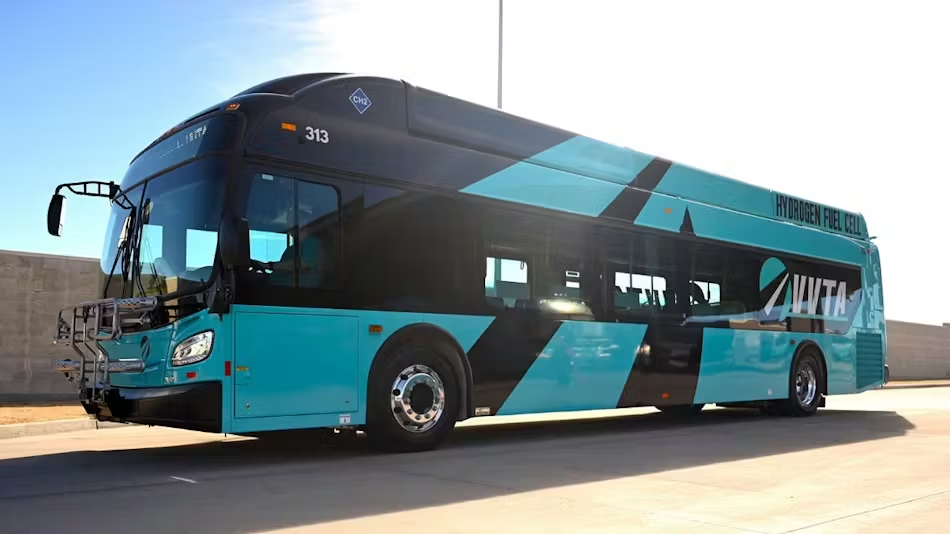
January 19, 2026This month, in sun-drenched Hesperia, California, the Victor Valley Transit Authority (VVTA) rolled out 13 gleaming hydrogen fuel cell buses, threw open an interim hydrogen fueling station, and unveiled a bold new brand identity. It’s not just a slick new look—it’s a giant stride toward zero-emission transit in the High Desert, kicking old clean-air headaches to the curb and showing VVTA means business on clean transportation. I’m genuinely excited to watch this pilot in action and see it become a blueprint for agencies juggling ambitious environmental goals with everyday operations.
Big Splash in the High Desert
Out where endless desert vistas meet the nostalgia of Route 66, this launch felt like breathing in fresh, water-vapor-only air. Serving over 400,000 passengers across Victor Valley, the VVTA has been pioneering sustainable transit—think renewable natural gas buses and a battery-electric fleet debuting back in 2019. But here’s the best part: these new hydrogen fuel cell buses combine zero tailpipe emissions with the kind of range and performance you need for long desert routes—say goodbye to range anxiety. Last Friday, local leaders and community members gathered at VVTA’s Smoke Tree Street hub, where Board Chair James Noble cut the ribbon and CEO Nancie Goff credited a spirit of collaboration as the “secret sauce” that pushed this project across the finish line.
The Secret Sauce: Hydrogen Fuel Cell Technology
So, how does a hydrogen fuel cell bus actually work? Picture this: onboard fuel cells mash up hydrogen gas and ambient oxygen to generate electricity, with water vapor coming out the back—literally your only exhaust. That electricity powers electric motors for silky-smooth acceleration and whisper-quiet rides, which is perfect for slashing both noise and emissions. Companies like Ballard supply the fuel cell stacks, while New Flyer slings them into a tough-as-nails bus chassis. Then partners such as Linde and ZeroMission make sure these buses are topped off at VVTA’s interim hydrogen fueling station in under 15 minutes—just like filling up diesel, but way cleaner.
Yes, setting up hydrogen infrastructure can be tricky, but VVTA opted for a no-fuss, interim solution that’s live right now. According to Chief Maintenance Officer Dustin Strandberg, having a quick-turnaround fueling station is a game-changer when you’re covering vast desert terrain and baking in triple-digit heat. With plans for a permanent station on the horizon, this phased rollout proves hydrogen isn’t just lab hype—it’s a real-world solution built for the future of clean transportation.
Built for the Future: Interim Station and Bold Branding
Call it branding or call it pride, but visuals matter when you’re on a mission to shift public perception. Lead communicator Chris Ackerman introduced VVTA’s new logo and color palette—think forward motion, vibrant energy, and a nod to that rugged High Desert spirit. From custom bus wraps to smart station signage, this look reinforces that VVTA isn’t tinkering at the edges of clean transportation—it’s setting the pace. Even the interim station got a glow-up: sleek canopies, crisp digital screens, and safety features you’d expect on any state-of-the-art fuel pump.
Behind the scenes, this pop-up station is a textbook example of strategic partnership, with GMV Syncromatics handling fueling controls and safety systems. The payoff? Even this temporary setup slashes local emissions dramatically, proving you don’t need a warehouse full of gadgets to make an immediate dent in air quality.
Partnership Power Fuels the Vision
No one pulls off a hydrogen-powered revolution solo. The VVTA squared up a dream team: federal backers like the Federal Transit Administration and California Air Resources Board, regional allies such as the San Bernardino County Transportation Authority and CalACT, plus funding muscle from GO_BIZ. On the industry front, heavy-hitters—Ballard (fuel cells), New Flyer (bus builder), Linde (hydrogen supplier), and ZeroMission (station tech)—brought their A-game, while Keolis North America manages day-to-day operations and GMV Syncromatics ties all the tech together. When everyone’s rowing in sync, you get a proof-of-concept that could chart a course for rural and suburban agencies nationwide.
Real-World Impact and Next Steps
Why does this matter? Riders get smoother, quieter trips without any particulate or NOx pollution messing with the High Desert air. Early air quality models already predict a drop in ground-level ozone and smog as these hydrogen fuel cell buses clock miles on the roads. For VVTA, it’s a strategic play that ticks off California’s zero-emission transit mandates while delivering the operational flexibility and long-haul capability operators crave. Now they’re gathering real-world intel—fueling cycles, maintenance stats, passenger feedback—to inform phase two: a permanent hydrogen fueling station and possibly expanding the fleet beyond the initial 13 buses. By advancing in steps, VVTA sidesteps the risk of stranded assets or underused gear.
Bottom line, VVTA’s debut of hydrogen fuel cell buses, a pop-up hydrogen fueling station, and a fresh brand identity isn’t just a one-off event—it’s a turning point. It shows how practical partnerships and phased rollouts can transform hydrogen’s promise into zero-emission transit reality, even under the sun-scorched skies of the High Desert. With every refill, we’re fueling cleaner skies and stronger communities.

 With over 15 years of reporting hydrogen news, we are your premier source for the latest updates and insights in hydrogen and renewable energy.