Hydrogen Fuel Cell Powerhouse: Intelligent Energy’s IE-GRID™ Energizes University Microgrid
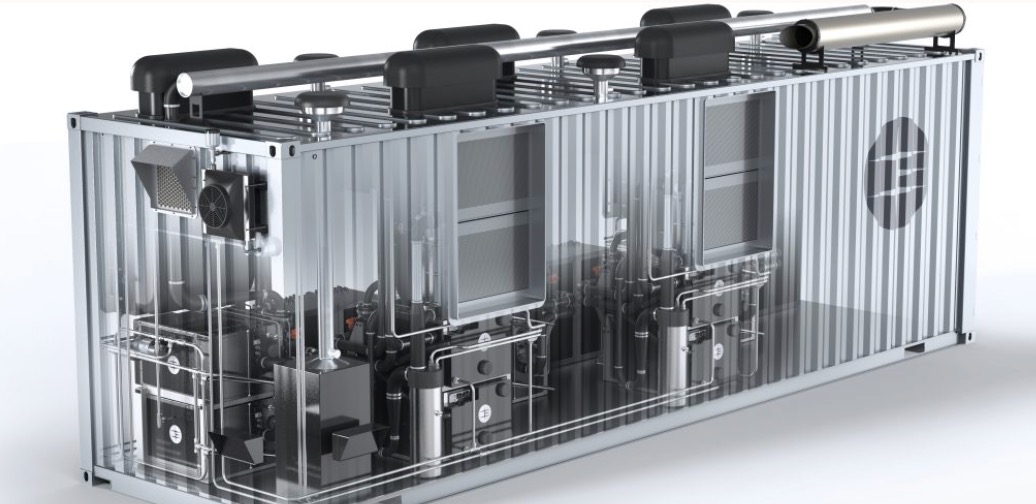
January 20, 2026I’ve been geeking out over clean energy for a while, but this month Intelligent Energy really turned heads with its first in-house IE-GRID™ containerized power system debut at the University of Nottingham’s Jubilee Campus. This IE-GRID™ unit is a zero-emission powerhouse—packing the company’s proprietary IE-DRIVE™ HD hydrogen fuel cell tech into a road-ready container, delivering reliable stationary power for data centres, microgrids, and backup applications. And the best part? It’s part of a Research England–funded project evaluating microgrid solutions, which adds a ton of cred. Essentially, it’s kicking clunky diesel generators to the curb and giving us a sneak peek at how hydrogen can supercharge campus energy resilience (and beyond).
Breaking Down the IE-GRID™ Advantage
What really makes IE-GRID™ stand out is the IE-DRIVE™ HD hydrogen fuel cell stack—a modular, high-power-density wonder that lets you ramp up power in a flash. It’s basically an elegant dance of hydrogen and oxygen, producing electricity, water, and heat with zero emissions. Everything’s tucked inside a slick, containerized power system that includes smart controls, remote monitoring, and grid-stabilizing inverters. Need more juice? Just add another container. And if demand spikes, the system auto-adjusts in milliseconds. Compact, plug-and-play, and built to win, it’s the kind of microgrid solutions any site chasing green, reliable power will love.
Why This Deployment Matters
This rollout is a big deal—it’s the first time Intelligent Energy has unleashed a fully homegrown IE-GRID™ system in a real-world setting, proving it does exactly what it promises. And with tax credits expiring next summer, every megawatt of stationary power delivered is a win in the emissions race. By plugging in at Jubilee Campus under the Feed-MT program, they’re pulling in heaps of data on efficiency, ramp speeds, and upkeep. But the real game-changer? It opens the door for containerized hydrogen fuel cell system rollouts at telecom towers, factories, and other mission-critical sites—kickstarting decarbonization for anyone ready to jump on board.
University Collaboration Drives Innovation
Teaming up with the University of Nottingham brings real scientific firepower to the table. Jubilee Campus is like a playground for sustainable design and smart-grid research, so it’s the perfect spot to put the system through its paces. Thanks to the Research England–backed Feed-MT project, engineers and academics are pushing the setup from steady baseload right up to wild peak shaving. All those test results loop straight back to the product teams, so future versions will be tougher, more reliable, and even friendlier on the wallet.
Global Expansion & Strategic Partnerships
And the UK launch is just the opening act—Intelligent Energy has already signed up South Korea’s GH EnA and IBT to bring 100 kW-plus fuel cell generators to local markets. These partners know the ins and outs of the region—from market strategy to certifications—so together they’re gearing up to roll out zero-emission power packs for factories, telecom masts, and off-grid spots. With South Korea’s big hydrogen push, this couldn’t be timelier—think smoother regulations, heavier incentives, and a fast track to scale.
Collateral Impacts on Supply Chain & Jobs
This rollout isn’t just about flashy tech—it’s a serious shot in the arm for the supply chain. Cranking out these containerized power system units at scale means jobs for stack fabricators, system integrators, and testing outfits. The Korea deals translate into fresh factory lines, engineers on site, and maintenance squads in action. And as data centres, hospitals, and other critical facilities get their hands dirty with hydrogen gear, they’re building a skilled workforce that’s exactly what governments love to see. It’s a win-win: economic boost meets climate-friendly action.
Kicking Challenges to the Curb
Now, full disclosure: building out hydrogen infrastructure is still a work in progress. We need more green hydrogen production, better transport networks, and a denser refuelling network to make this universal. Price tags are coming down, but these hydrogen fuel cell setups still cost more than plain old batteries. And the rulebooks for containerized power system units are still catching up, so certifications can drag on. But by logging real-world performance and nailing safety protocols at Nottingham—and soon in Korea—Intelligent Energy is teaming up with regulators to smooth out the wrinkles.
Historical & Policy Context
Fuel cells have been simmering on the back burner for decades, but post-2020 policy shifts have lit a fire under them. Think the US Inflation Reduction Act, the Infrastructure Investment and Jobs Act, and a raft of UK and EU funding programs—all funneling billions into clean energy. On top of that, Schneider Electric’s Accelerating Resilient Infrastructure Initiative is tossing more capital into community microgrids and resilience projects. And over in Asia-Pacific, South Korea is hitting the gas on hydrogen strategies across industry and transport.
Future Outlook for Microgrid Solutions
With this proven containerized power system under its belt, Intelligent Energy is ready to ride the next microgrid solutions wave. We’re talking hybrid setups where hydrogen fuel cell units team up with solar panels, batteries, and smart controls—and trust me, they’re going to pop up everywhere. From university campuses and industrial zones to telecom sites and remote villages, these modular systems deliver quick response, rugged backup, and genuinely green power. I can’t wait to see how many partners sign on—and how fast this whole scene scales.
Bottom line… that first homegrown IE-GRID™ rollout isn’t just a proof-of-concept—it’s a major stride toward a low-carbon, resilient energy future. By mixing academic chops, government backing, and global partnerships, Intelligent Energy is staking its claim at the forefront of the energy transition. I’m all in on seeing how hydrogen fuel cells reshape our power systems in the years ahead.
 With over 15 years of reporting hydrogen news, we are your premier source for the latest updates and insights in hydrogen and renewable energy.