Hydrogen Fuel Cells Power Vinssen’s Hydro Zenith in South Korea’s Zero-Emission Push
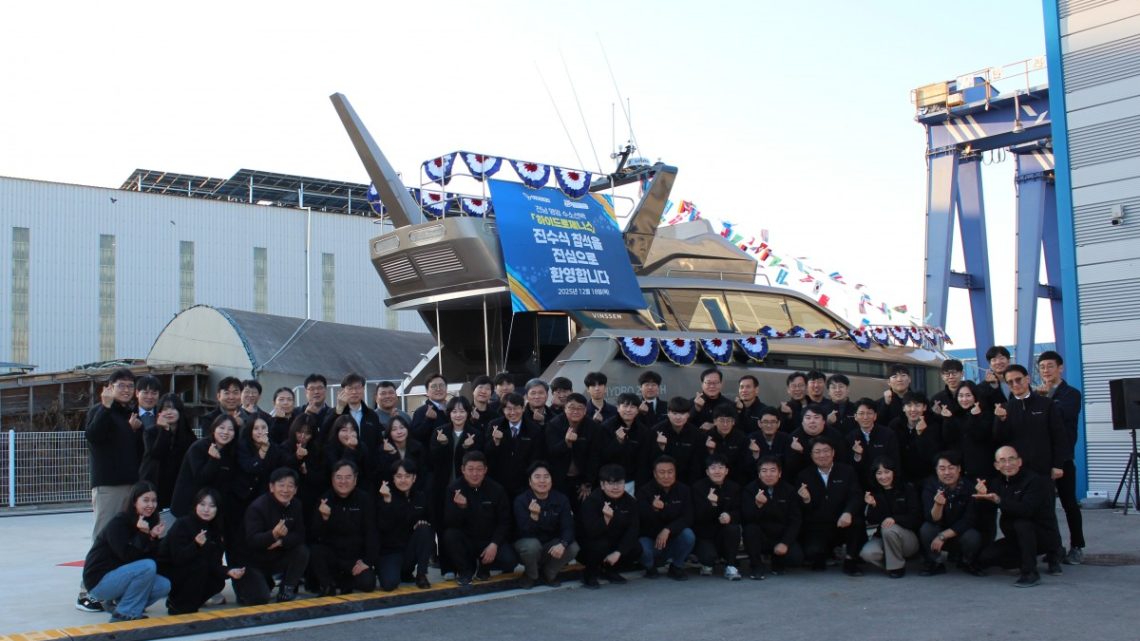
January 5, 2026On December 18, 2024, a sleek leisure boat cut through the waves off Vinssen’s Yeongam test facility in South Jeolla province. This wasn’t your typical launch—powered entirely by hydrogen fuel cells and lithium-ion batteries, the vessel known as the Hydro Zenith is South Korea’s first hydrogen fuel cell–powered boat built under interim rules from the Ministry of Oceans and Fisheries. Moving straight from lab benches to actual zero-emission operations, it highlights Yeongam’s prime spot between Mokpo and Gwangyang shipyards, reinforcing its role as a testing ground for the nation’s shipbuilding behemoths.
Core design meets practical deployment
Under the deck, the Hydro Zenith combines two 100 kW proton exchange membrane (PEM) hydrogen fuel cells with four 92 kWh lithium-ion battery packs in a hybrid setup. When you’re just cruising along, any spare juice from the fuel cells tops up the batteries. Need a burst of power for tight turns or quick acceleration? The batteries jump in to supplement the fuel cells. It’s all about balancing guest comfort, reliable range and snappy responsiveness—whether you’re on a leisurely harbor tour or running shuttle services. During sea trials, they’ll be tracking everything from range per refill to acceleration curves and system dependability under South Korea’s interim certification.
About Vinssen
Vinssen has carved out a name as a pioneer in fuel cell technology for marine vessels, thanks to its proprietary Titanium Bipolar Plate PEM stacks that are lighter and tougher than traditional designs. The firm already holds RINA type approval for a 60 kW maritime fuel cell stack and an AiP from Korean Register for a 2,700 kW hydrogen-powered tug. With MOUs spanning Asia, Vinssen’s shifting gears from demo leisure crafts to certified workboats, staking its claim in the move toward zero-emission technology at sea.
Building on proven demos
Remember the Hydrogenia unveiled at the 2021 Busan International Boat Show? That 32.8 ft craft carried six passengers at 10 knots for six hours, proving the concept at Ulsan’s Hydrogen Realization Center—South Korea’s sole hydrogen piping demo site. While Vinssen originally aimed to roll out 50 of those units, public delivery updates have been sparse. The Hydro Zenith signals a deliberate shift, moving from demo-phase experiments to boats built and certified under official regs.
Technical innovation at work
At its heart is Vinssen’s Titanium Bipolar Plate PEM Fuel Cell Technology. By swapping carbon plates for titanium, they’ve boosted corrosion resistance, cut weight and extended lifespan—translating to lower maintenance bills and more payload. Danfoss Editron stepped in with off-the-shelf multi-function inverters to manage power flow between the fuel cells and batteries. This plug-and-play approach slashes integration time and cost, smoothing the path to market compared to fully bespoke systems.
Government and classification support
With South Korea targeting carbon neutrality by 2050, the Ministry of Oceans and Fisheries rolled out interim guidelines in late 2023 to speed up hydrogen maritime projects. Those rules let companies like Vinssen trial vessels under clear safety and performance criteria, rather than sitting tight for final international standards. On the classification front, the Korean Register granted Approval in Principle (AiP) for the 2,700 kW hydrogen fuel cell tug, and RINA signed off on the 60 kW stack, with higher-power modules under review. That regulatory nod is crucial for moving from prototypes to commercial fleets.
Strategic implications for decarbonization
Putting certified hydrogen fuel cell vessels like the Hydro Zenith into service delivers strategic wins on multiple fronts:
- Zero-emission operations: Fuel cells only spit out water, cutting local pollutants and trimming greenhouse gases in coastal and inland routes.
- Industrial leadership: South Korea’s shipyards can integrate homegrown tech to snag high-value contracts worldwide.
- Infrastructure stimulus: Rising demand for hydrogen infrastructure, bunkering and logistics will drive fresh investment in green and blue hydrogen production.
- Technology diffusion: Standardized inverter and fuel cell modules—from partners like Danfoss Editron—lower barriers for ports and shipyards everywhere.
- Market expansion: MOUs such as Vinssen’s 2025 deal with MarineTech Singapore open doors across Southeast Asia and the wider Indo-Pacific.
Challenges on the horizon
Of course, it’s not all smooth sailing. A few hurdles remain:
- Refueling networks: Hydrogen infrastructure is still largely centered around pilot sites like Ulsan and Yeongam.
- Capital intensity: Fuel cell stacks, high-pressure tanks and related gear carry higher upfront costs than diesel or pure battery setups.
- Regulatory harmonization: Those interim rules need to evolve into globally accepted standards for deep-sea and cross-border ops.
- Alternative technologies: Ammonia-fueled systems and battery-electric vessels are also vying for the same industrial decarbonization dollars.
- Safety and perception: Public and investor confidence in handling and storing hydrogen remains a work in progress, demanding robust protocols and training.
Scaling up and looking forward
Vinssen’s already plotting its next moves. A November 2025 MOU with MarineTech Singapore will see joint vessel demos, shared R&D and collaborative bunkering solutions at key Southeast Asian ports. On the tech front, Vinssen’s leap from a 60 kW stack to a 2,700 kW tug platform—and its parallel push on ammonia-fuel cell tanker prototypes—shows flexibility across vessel classes, from leisure crafts to heavy workboats. Driving down costs through bigger production runs, expanding hydrogen bunkering and locking in permanent certification frameworks will be vital to mainstreaming zero-emission technology.
Charting the course ahead
The Hydro Zenith is living proof that hydrogen fuel cells can move beyond lab tests and hit government-approved trials in real waters. As detailed sea trial data rolls in, everyone’s asking: can hydrogen propulsion scale fast enough to help South Korea nail its 2050 sustainable energy targets? With ongoing policy backing, solid industry partnerships and continued tech progress, this could spark a full-blown revolution in maritime industrial decarbonization and sustainable energy.

 With over 15 years of reporting hydrogen news, we are your premier source for the latest updates and insights in hydrogen and renewable energy.