Hydrogen Fuel Cells Reach Megawatt Scale for Large Seagoing Ships
December 16, 2025When you picture giant container ships or vessels hauling liquefied hydrogen across oceans, hydrogen power probably isn’t top of mind—yet that’s about to change.
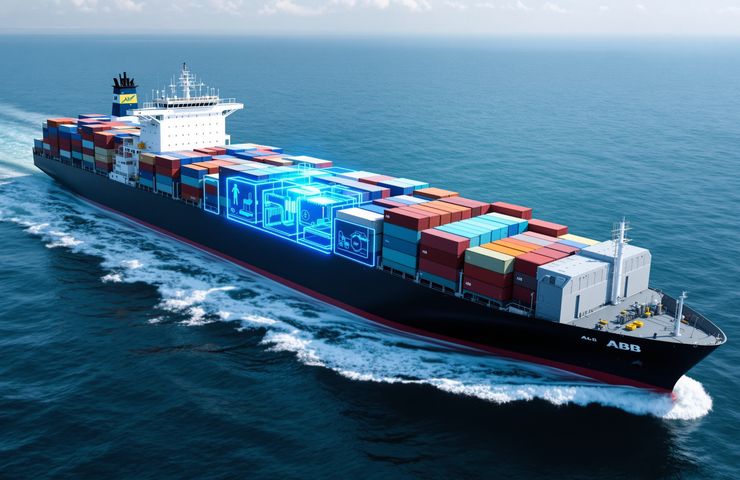
ABB, the Swiss electrification and automation heavyweight, and France’s HDF Energy just inked a joint development agreement to build a megawatt-scale hydrogen fuel cells unit for large oceangoing vessels. Sealed recently, the plan is to swap out conventional diesel generators for green hydrogen-powered electric systems, aiming for commercial readiness by 2030 and extending fuel cell tech from tugs and ferries to feeder container ships and LH₂ carriers.
This partnership marries HDF Energy’s proven fuel cell stacks with ABB’s expertise in power conversion, energy management and system integration. By leveraging megawatt-class fuel cell technology, they’re targeting big cuts in auxiliary engine emissions, seamless retrofits on existing fleets and a clear path to zero-emission shipping.
Why Megawatt-Scale Fuel Cells Matter
Scaling up hydrogen fuel cells isn’t just a volume increase—it’s a quantum leap. Traditional diesel gensets on large ships generate multiple megawatts to power hotel loads, backup systems and peak shaving. They’re noisy, pollution-heavy and lag in response. Fuel cells promise instant power, higher efficiency and zero CO₂, NOₓ or SOₓ emissions—water vapor is the only output.
Shipowners wrestling with industrial decarbonization mandates, carbon pricing and tighter IMO regulations stand to gain both regulatory relief and operational savings over a vessel’s life. Quieter decks also mean less noise pollution for portside communities. Decoupling auxiliary power from main engines adds scheduling flexibility, and fuel cells’ swift ramp-up cuts fuel burn during the variable loads of harbor maneuvers.
Design and Integration Details
HDF Energy will supply advanced PEM (proton exchange membrane) fuel cell stacks rated for continuous megawatt output. These modular units boast high-temperature tolerance and onboard hydrogen conditioning to keep purity and performance in check. ABB will deliver the high-voltage converters, switchgear, power electronics and digital control systems to link the fuel cells with a ship’s electrical grid. They’ve built in redundancy and hot-swap capability so individual units can be swapped out or serviced without sidelining the whole system.
Heat management is critical at this scale. Engineers are designing optimized cooling loops tied to seawater heat exchangers, which slashes parasitic losses. Energy storage buffers—batteries or supercaps—will handle transient loads, ensuring smooth power delivery even under sudden demand spikes.
Hydrogen storage and handling options include compressed gas modules at up to 700 bar or cryogenic tanks, based on ship design. Integration with ballast systems and careful trim calculations will preserve stability and safety. Digital twins will simulate operating scenarios, speeding up crew training and fine-tuning predictive maintenance algorithms.
Strategic Implications for Maritime Decarbonization
With ports pushing for cleaner operations and IMO rules tightening, the timing couldn’t be better. Switching auxiliary power to hydrogen-electric not only slashes Scope 1 emissions but can also qualify ships for green corridors and other zero-emission incentives. For cargo owners chasing ESG targets, low-carbon credentials are a must-have.
Early adopters may enjoy discounted port fees for green ships and improved standing with charterers and insurers. Add in looming EU ETS carbon levies, and the business case for future-proofing fleets becomes compelling. Ramping up serial production by 2030 should drive down costs across the hydrogen infrastructure chain—from electrolysers to bunkering logistics—spurring investment in coastal terminals and reshaping local economies.
Challenges and Next Steps
No major tech pivot comes without hurdles. Rolling out bunkering networks for high-pressure or liquefied hydrogen demands coordination, and vessels must meet stringent maritime safety standards plus win approval from classification societies like DNV and Lloyd’s Register. Then there’s the cost challenge: hydrogen fuel cells need to stand up against decades of diesel genset production and a global repair network.
ABB and HDF Energy plan to nail down system specs, safety protocols and validation tests by mid-decade, paving the way for serial deliveries in the latter half. Early collaboration with class societies will streamline certification—extensive testing for fire safety, leak detection and emergency shutdowns will feed into updated international standards, lowering barriers for everyone.
Parallel Pilots and Growing Momentum
Pilot programs from Europe to Asia and North America are already equipping ferries, tugboats and offshore platforms with smaller fuel cell modules, chipping away at technical uncertainties. Now, this megawatt-scale project could become a lighthouse, guiding shipyards and owners toward hydrogen retrofits and new builds.
Trials like hydrogen-powered tugs in Scandinavian ports have validated the core fuel cell technology. The next step—scaling to feeder container ships and LH₂ carriers—will be the ultimate reality check, signaling to the broader maritime community that hydrogen power is ready for the big leagues.
Looking Ahead to 2030
If everything goes to plan, by 2030 we’ll see first-generation megawatt-scale hydrogen fuel cell units on commercial feeder ships and even long-haul LNG carriers. The real question: will operators choose retrofits or specify these systems in brand-new vessels? Either way, this partnership points to a future where green hydrogen fuels not just factories and power plants, but the very arteries of global trade.
ABB is a Swiss tech leader with roots back to the 1800s, specializing in electrification, automation, robotics and motion. With a strong legacy in marine electrical systems, ABB has been pioneering alternative-fuel power conversions. Its recent ventures into hydrogen bunkering and fuel cell integration underscore a firm commitment to zero-emission solutions.
HDF Energy, based in France, develops packaged fuel cell systems and renewable hydrogen production plants. Its marine arm has already powered small vessels and demonstrators, laying the groundwork for this megawatt-scale collaboration. HDF Energy’s expertise in hydrogen supply chains, logistics and system integration is crucial for bridging the gap from R&D to full commercial deployment.
In an industry long dominated by diesel, the ABB–HDF Energy alliance marks a strategic inflection point. By replacing auxiliary generators with hydrogen fuel cells, shipowners could chart a far more sustainable course—provided the hydrogen infrastructure and economics align over the next decade.

 With over 15 years of reporting hydrogen news, we are your premier source for the latest updates and insights in hydrogen and renewable energy.