
Hydrogen Infrastructure: BKW’s Pivot from Coal to H2-Ready Gas Power in Germany
January 23, 2026Imagine you’re steering a ship made for coal, but the winds are blowing you toward cleaner waters. That’s the spot Swiss energy giant BKW finds itself in right now.
Balancing Act: Coal Legacy Meets Hydrogen Ambition
I know it sounds dramatic, but earlier this month BKW took a hard look at its books and wrote down CHF 110 million on its 33 percent stake in the Wilhelmshaven coal plant. It’s more than just crunching numbers—it’s a tacit admission that coal-fired generation isn’t the cash cow it once was, thanks to lower output forecasts and milder price swings across Europe. Bottom line? They’ve trimmed their 2025 EBIT guidance from CHF 650–670 million to CHF 540–560 million. Ouch. Yet they didn’t just scrub their balance sheet. They’re also setting their sights on a 40 percent stake in a hydrogen-capable (H2-ready) gas-fired plant at Hamm in North Rhine-Westphalia, teaming up with German utility Trianel. It’s a bold pivot toward hydrogen infrastructure and the sustainable energy shift.
Why Hamm? A Site Poised for Transition
North Rhine-Westphalia has long been Germany’s industrial engine—coal mines, steel mills, chemical giants—and today it’s primed for the zero-emission technology revolution. The Hamm site has everything: existing industrial infrastructure, grid and gas hookups, plus room for hydrogen pipelines or carbon capture. For BKW, that means no greenfield headaches around permitting or grid access—like opening a café in a busy mall instead of staking out a new spot in the wilderness. But there’s more to it. As coal winds down under the Energiewende and renewables flood the grid, you still need a reliable backup when wind and solar plug out. Hydrogen-ready turbines can fire up in a snap when the breeze dies or the sun dips, delivering the flexibility cushion the grid desperately needs.
Policy Winds in the Right Direction
Germany’s Power Plant Safety Act (Kraftwerkssicherheitsgesetz) is rolling out the red carpet for new hydrogen-ready capacity to replace retiring coal and nuclear beasts. BKW and Trianel are engineering the Hamm project to tick every box—technical specs, environmental goals—because landing that contract means government-backed price-stabilization. In other words, steady revenues wrapped in policy guarantees.
Tech Brief: What Makes a Plant H2-Ready?
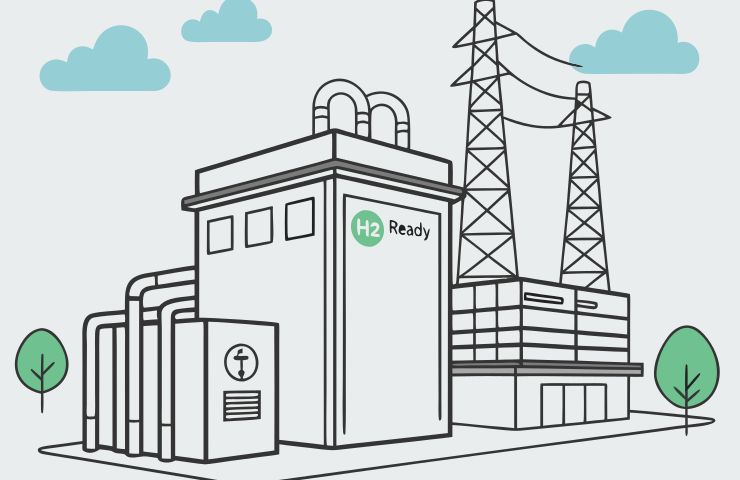
So what does “H2-ready” really mean? Picture a trusty gas turbine with a makeover to handle hydrogen’s zooming flame speed and punchy energy density. They tweak the combustion chamber, overhaul the fuel injection, and fine-tune pressure, cooling and burner geometry. Smart controls track the hydrogen blend, letting you fire up on natural gas and then dial up the hydrogen share as hydrogen production scales. It’s a savvy way to future-proof today’s turbines.
Strategy Meets Sustainability: Solutions 2030
This isn’t a one-off stunt—it’s core to BKW’s “Solutions 2030” roadmap. They’re steering away from coal and nuclear, gravitating toward digital, low-carbon assets. By anchoring their portfolio in flexible generation, they’re syncing with Europe’s carbon-neutrality goals and pushing forward industrial decarbonization. CEO Robert Itschner nails it: “Phasing out coal faster and ramping up renewables makes hydrogen-capable plants a linchpin for Europe’s energy security.” It underscores why they’re redeploying capital.
Financial Anatomy: Impact on BKW’s Books
That CHF 110 million write-down isn’t just for show—it aligns asset values with current market realities. Now BKW is eyeing 2026 EBIT of CHF 650–750 million, buoyed by stronger hedged electricity prices and fatter margins in Infrastructure & Buildings. For Trianel, the deal means a solid foothold in transition infrastructure, with both partners able to tap into everything from straight equity to green project finance.
Broader Ripples: Market Signals
What BKW is doing echoes a broader trend: European utilities impairing coal assets as policy and cut-rate renewables take center stage. It’s a clear message: coal is becoming a liability. Meanwhile, hydrogen-ready plants are emerging as the go-between for today’s gas fleets and tomorrow’s zero-emission technology—once we scale up hydrogen supply chains and drive down green H2 costs. Lay the groundwork now, and you’ll be first in line when prices fall.
Next Steps at Hamm
So where do they go from here? BKW and Trianel are buttoning up their joint venture, gearing up to submit a tender in the next regulatory window. If they snag the gig, engineering design kicks off, hydrogen offtake deals get locked in, and financing comes together. Commissioning could roll out later this decade, transforming Hamm into a flagship for repurposing Europe’s industrial heartlands around hydrogen production and sustainable energy.
About the Company
BKW is a Swiss energy provider and infrastructure manager shifting its portfolio from coal and nuclear toward flexible, low-carbon power and grid solutions. Operating across Switzerland and Germany, BKW is all in on industrial decarbonization and building the hydrogen infrastructure that’ll power our zero-emission technology future.

 With over 15 years of reporting hydrogen news, we are your premier source for the latest updates and insights in hydrogen and renewable energy.
