Hydrogen infrastructure enhanced by dual-nozzle MFT integration at European refueling station
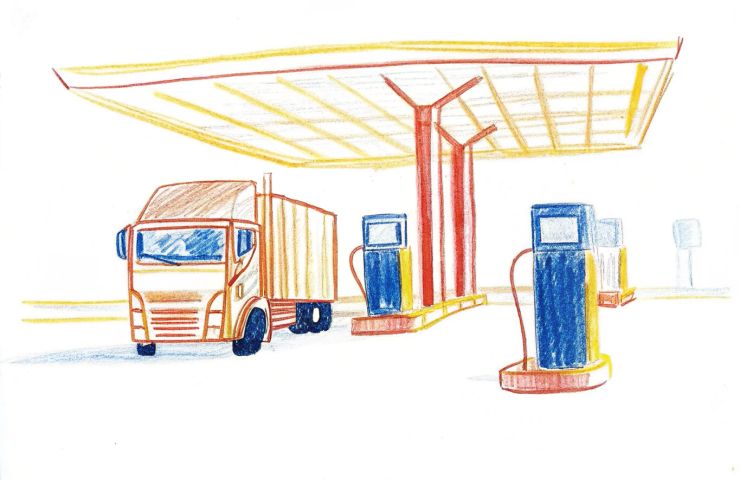
February 3, 2026So, just a few weeks ago, HRS—Europe’s go-to team for designing and building hydrogen refueling stations—dropped some exciting news about the next leap in hydrogen infrastructure. Working alongside Toyota Motor Europe and ENGIE Lab CRIGEN, they’ve plugged the new Mid Flow Twin (MFT) system into a RHeaDHy dispenser at HRS’s test center in Champagnier. In plain English, that means one dispenser, two nozzles, up to 300 g/s of hydrogen at 700 bar—ready for everything from family cars to heavy-duty trucks. After more than a year of brainstorming, prototyping and EU-backed trials in the RHeaDHy consortium, it’s full steam ahead for standardizing and rolling this out industry-wide by summer 2026.
Evolution of the partnership
It all kicked off in late 2022 when HRS teamed up with ENGIE Solutions to map out plans for 15 new hydrogen stations by 2026. Fast-forward to 2023, and ENGIE Lab CRIGEN officially joined the RHeaDHy project, bringing its deep research chops and hands-on infrastructure know-how. Then, in early 2025, Toyota Motor Europe hopped on board, making sure the dispenser matched up with its latest fuel cell cars and hydrogen engines. From modular design tweaks to intense component-level trials and certification chats, this trio has refined every detail. The Champagnier setup is the first time the MFT hardware, control software and safety systems all come together in one neat package.
Project summary and partners
Here’s what each partner brings to the table:
- HRS: Knows station architecture inside out, plus it has top-tier manufacturing and testing facilities.
- Toyota Motor Europe: Sets the bar for vehicle fueling protocols and user-friendly interfaces.
- ENGIE Lab CRIGEN: Handles energy management, grid integration and keeps the consortium humming.
During trials at the European test center, they ran nonstop fill cycles in all kinds of temperatures and pressure swings. Engineers kept an eye on flow stability, nozzle swaps and reaction times. Next up? Streamlining the production flow and polishing the dispenser software so they can crank these units out at scale.
Technical deep dive
The Mid Flow Twin idea is pretty slick: two metering modules jam-packed into one dispenser frame. Each module has its own mass flow meter, pressure regulator and speedy valve. A built-in cooling loop keeps hoses and nozzles chill during the high-flow action, while the dispenser’s electronic control unit juggles valve timing and talks to on-site compressors to match supply with demand. Sensors and remote diagnostics feed data into HRS’s 24/7 monitoring platform for predictive maintenance and real-time performance checks. Plus, MFT doesn’t care if your hydrogen’s green, blue or grey—it adapts without dropping a beat.
Policy alignment and strategic impact
Thanks to the EU’s Alternative Fuels Infrastructure Regulation, member states need to pepper transport corridors with hydrogen refueling points. Traditionally, stations have separate dispensers for mid-flow and high-flow, which drives up costs and complicates installation. The MFT’s dual-nozzle trick consolidates both flow profiles in one compact unit—potentially slashing dispenser counts by 25% and cutting back on civil works. It dovetails perfectly with the European Clean Hydrogen Alliance roadmap, which is pushing for 40 GW of electrolyzer capacity by 2030 and a dense network of H2 stations by the late 2020s. This kind of strategic move is exactly what we need for true industrial decarbonization.
Safety measures and certification
When you’re talking 700 bar of hydrogen, safety isn’t optional. The MFT system packs redundant pressure relief devices, hydrogen sensors and automatic shut-off valves. It’s already ticking off ISO 19880-1 requirements and is under the microscope for upcoming CEN specs. Dual valve blocks mean you can service one nozzle while the other stays live, cutting downtime to a minimum. Early nods from national certification bodies suggest that leaning on proven component families and HRS’s exhaustive testing will speed up approvals.
Market outlook and comparative landscape
Across Europe, most dispensers are built for one type of vehicle—either cars or big rigs. A few startups and legacy suppliers have pitched variable-flow ideas, but hardly any have moved past the lab. MFT’s approach—dropping in tried-and-tested hardware modules—could be a game-changer. HRS’s initial cost studies hint at up to 15% savings on capex per dispenser and ongoing operational perks from simpler maintenance. With fuel cell technology vehicle sales set to grow over 30% each year through 2030 and roughly 350 new stations in the pipeline by decade’s end, flexible refueling solutions are going to be in hot demand for real hydrogen mobility.
Company snapshot
HRS, founded by Hassen Rachedi, is Europe’s hydrogen station leader—churning out up to 180 modules a year with 31 high-capacity sites already live. They’ve nailed bi-pressure operation (350/700 bar), boast 6–12 week lead times and offer round-the-clock remote monitoring.
Toyota Motor Europe steers the Mirai FCEV strategy, tinkers with hydrogen engine prototypes and fine-tunes the user experience.
ENGIE Lab CRIGEN spearheads low-carbon research at ENGIE Solutions, coordinating everything from electrolyzer hookups to station rollouts under the 2023-launched RHeaDHy consortium.
Next steps and industry implications
After a live demo at Paris Expo Porte de Versailles, the team will wrap up SCADA integration and nail down mass production specs. Toyota plans to roll out test fleets at MFT stations in select markets to gauge fueling speed and driver feedback. ENGIE is lining up early adopter sites that blend retail fueling, fleet services and public transport. If all goes well, station operators might start favoring single-module units, cutting upfront investment and supercharging network growth. The hurdles? Locking in reliable hydrogen supply chains and syncing technical standards across EU countries.
By merging two fueling worlds into one sleek dispenser, the Mid Flow Twin could redefine how Europe does hydrogen refueling. With EU standardization on the horizon and industrial rollout slated for 2027, we’re on the brink of a new era in hydrogen mobility—and we can’t wait to see these stations power the push toward real-world decarbonization.

 With over 15 years of reporting hydrogen news, we are your premier source for the latest updates and insights in hydrogen and renewable energy.