
Hydrogen Pipeline Approved at Impala Terminals Milford Haven
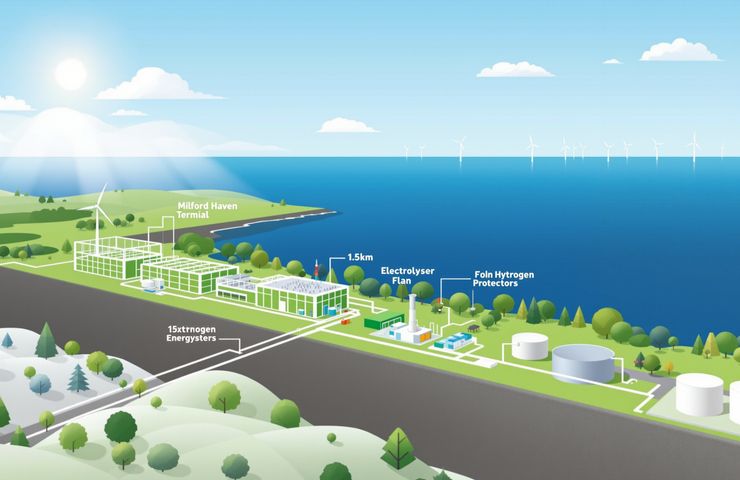
January 5, 2026We’re thrilled to share that Impala Terminals has just snagged the green light from local regulators to lay a 1.5km hydrogen pipeline at its Milford Haven site in Pembrokeshire. This new line will hook directly into MorGen Energy’s 20MW green hydrogen production setup, tapping into the existing storage tanks, pipelines and jetty to whisk clean hydrogen straight to nearby industrial users. It’s a perfect match with the UK’s push toward net zero, Celtic Freeport’s drive to reel in £3.5 billion in hydrogen investment, and HyLine Cymru’s grand plan for a 130km hydrogen network across South Wales. By linking up production and demand, these partners are tackling real-world transport challenges head-on, turning Welsh infrastructure into a key player in a greener future.
Right in step with the UK’s net zero goals
The UK’s on a mission to slash carbon emissions by 2050, and green hydrogen is sitting front and center in that strategy. When we juice electrolysers with renewables, the only thing that comes out of our fuel is water—no nasty emissions. Getting the thumbs-up for this pipeline is a concrete solution to one of hydrogen’s biggest hurdles: moving it safely and efficiently. Here’s the simple-but-powerful idea: build a dedicated line that connects production straight to where it’s needed. Around Milford Haven, chemical plants, refineries and heavy industries can now tap into low-carbon hydrogen without juggling costly road or rail logistics. It’s a win-win—industries get a steady fuel supply while we edge closer to a resilient, cleaner energy landscape in South Wales.
How the technology works
Producing green hydrogen via electrolysis is a neat two-step dance. First, renewable electricity splits water into hydrogen and oxygen inside modular electrolyser units. Then we compress and stash the hydrogen in onsite tanks. From there, our shiny 1.5km hydrogen pipeline carries the gas under pressure to tie-in points on existing lines or directly to industrial users. By building a purpose-built pipeline segment, we cut down on leaks and sidestep the headaches of repurposing old gas lines. This little link in the broader HyLine Cymru network is the first step toward a 130km corridor from Pembroke Dock to Port Talbot. Whether you’re running a plant or steering sustainability efforts, this setup promises a reliable, low-emission feedstock with minimal fuss.
Made in Wales, made for Wales’s future
What really gives this project heart is its local touch. Sections of the pipeline, valves and monitoring gear are all crafted by firms across South Wales and the Midlands. Say it out loud: made in Wales, made for Wales’s future. Beyond steel and welds, local experts handle everything from environmental studies to community chats in Pembrokeshire. For Impala Terminals, which already runs storage tanks, road and rail loading, plus jetty operations here, adding a hydrogen line was almost too good to pass up. Leveraging existing infrastructure keeps costs in check and spares the landscape any fresh disturbance.
Solving real-world problems in South Wales industry
Here’s the big picture: give heavy industry a clear route to swap out fossil fuels for green hydrogen. Steel mills, refineries, chemical plants—or even future hydrogen blending into gas grids—can all jump on board. In pockets like Port Talbot, Barry and Newport, energy-hungry operations have been under pressure to cut emissions without slowing down. This new pipeline ticks a major box by delivering hydrogen at scale, day in and day out. Fewer tanker trucks on winding roads, lower handling costs—and every tonne of green hydrogen used instead of natural gas shaves off over two tonnes of CO2. The environmental upside? Huge.
Tapping into Pembrokeshire’s offshore wind potential
Pembrokeshire’s prime spot on the Celtic Sea gives it a leg up in offshore wind, and that resource is only going to grow. Floating wind farms like the ones in the Dolphyn project churn out power that’s perfect for electrolyser sites. Plugging that clean electricity into MorGen Energy’s plant at Impala Terminals means we can turn fickle wind output into a stable, haulable fuel. When the wind dies down, other renewables or grid power kick in—it’s a resilient setup that keeps the lights on and the hydrogen flowing, making the most of Pembrokeshire’s natural assets.
Building on a strong energy heritage
Milford Haven’s no newcomer to the energy scene. For decades, it’s hosted oil refineries, LNG import terminals and major gas pipelines feeding the UK. Between 2019 and 2022, the Milford Haven: Energy Kingdom project piloted hydrogen tests with backing from Innovate UK and partners like Pembrokeshire County Council, Port of Milford Haven and Wales & West Utilities. Those early trials proved hydrogen could play a big role, paving the way for this larger-scale push. Now that our 1.5km hydrogen pipeline is approved, Milford Haven is evolving from a hydrocarbon hub into a hydrogen hotspot. Old jetties that once handled LNG tankers can now service hydrogen vessels, and steel pipelines are getting a low-carbon reboot.
Looking ahead
Getting the green light on this pipeline feels like a major checkpoint, but we’re just warming up. Talks are already in motion to stretch the network north and hook up with more industrial clusters in South Wales. Local councils and industry groups see opportunities everywhere—from hydrogen refueling stations for heavy transport to blending green hydrogen into local heating systems. As part of Celtic Freeport, Pembrokeshire is primed to attract fresh investment and pump up local job creation. We believe this is just the opening chapter in a thrilling journey—one where everyone has a part to play in crafting the future of clean energy in the UK.

 With over 15 years of reporting hydrogen news, we are your premier source for the latest updates and insights in hydrogen and renewable energy.
