
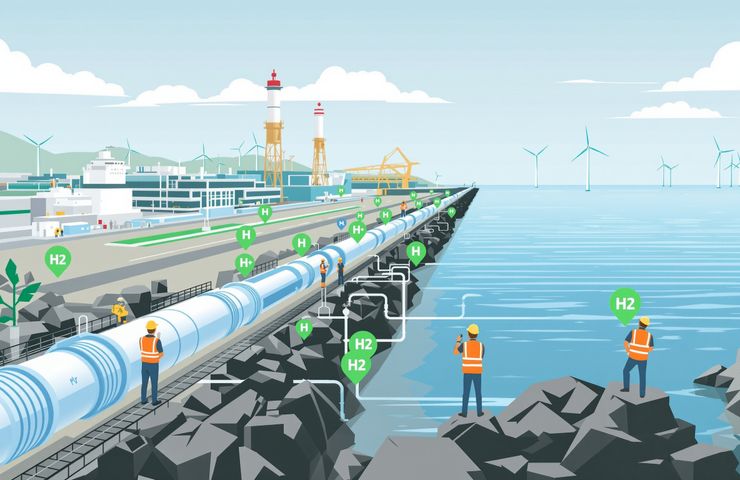
Hydrogen Pipeline Plan Gets Green Light for South Hook LNG Terminal
January 6, 2026We’re thrilled to share that planners at Pembrokeshire County Council have given the nod to a 1.5km hydrogen pipeline designed to feed low-carbon hydrogen into the South Hook LNG Terminal in Milford Haven. The mission? To repurpose an existing energy hub so it can handle hydrogen alongside LNG, cut carbon emissions, and give the UK’s drive to net zero a serious boost. It’s a simple idea with big clout: build a dedicated pipeline to ship green hydrogen straight to a major industrial site, smoothing out shipping headaches and tackling real-world energy challenges head-on.
The alternative of trucking in hydrogen via high-pressure containers was quickly sidelined—safety-wise, it didn’t make the cut at such a busy terminal. By opting for a buried hydrogen pipeline instead of road deliveries, the council is cutting down on traffic, reducing accident risks, and leaning on tried-and-true gas-pipeline standards for this new low-carbon fuel. While final planning permission is still in the works, this project is already turning heads as a clever twist on Pembrokeshire’s energy infrastructure legacy.
Powering Change at South Hook
The South Hook LNG Terminal has been a cornerstone of UK gas imports since 2009, handling up to 15.6 million tonnes per annum of liquefied natural gas in its five 155,000 m³ tanks. Run by a joint venture led by Qatar Petroleum (67.5%), with ExxonMobil (24.15%) and TotalEnergies (8.35%), South Hook normally feeds about 20% of the country’s gas demand into the national grid. Now, that same pipeline could be repurposed or paralleled to carry hydrogen, creating a dual-fuel corridor that strengthens energy security as North Sea output falls.
When South Hook first went live, it faced protests over its construction and gas pipeline back in 2006–07. Today, the local community is rallying behind a cleaner vision: using that prime location and deep-water port access to import—or even produce—hydrogen from offshore renewables. Mixing traditional LNG operations with fresh hydrogen flows could make South Hook a global showcase for the energy transition UK is banking on.
A Safe, Streamlined Delivery
Safety has been front and centre in Pembrokeshire’s planning review. The option to deliver hydrogen by road in high-pressure containers was quickly dismissed—too many trucks, too many lifts, too much handling near active LNG storage. Instead, the buried pipeline keeps hydrogen safely locked in steel tubes underground, a method gas engineers have perfected for decades.
This streamlined approach does more than just cut truck traffic; it slots neatly into the terminal’s existing safety protocols. The proposed hydrogen pipeline will use standard pressure-management systems, leak-detection sensors, and automatic shut-off valves—features regulators trust from years of gas-pipeline oversight. It’s a plug-and-play way to de-risk hydrogen supply, letting operators focus on fuel flexibility instead of reinventing safety measures.
Right in Step with UK’s Energy Transition
This pipeline proposal lines up perfectly with the UK government’s Hydrogen Strategy, which aims to deploy up to 10 GW of low-carbon hydrogen capacity by 2030. That could mean tens of thousands of tonnes of hydrogen produced, stored, and moved around the UK, supporting sectors from heavy industry to power generation to transport.
By hooking hydrogen up to an energy-intensive site, this project tackles peak power demand and paves the way for the neighboring combined heat and power (CHP) plant to switch fuels. Imagine a future where South Hook burns a blend of LNG and hydrogen in its turbines—or where pure hydrogen is fed into nearby chemical or heat-hungry facilities. That kind of flexibility will be crucial for decarbonising cement plants or balancing variable renewable output.
Made in Pembrokeshire, Made for Wales’s Future
Local planners and stakeholders are already celebrating the regional upsides: “This project is made in Pembrokeshire, made for Wales’s future,” says a County Council spokesperson. Building the pipeline could support dozens of jobs in civil engineering, project management, and steel fabrication—tapping into the area’s skilled workforce. Nearby yards could weld pipeline sections, while port services handle logistics for offshore gear and materials.
And it doesn’t stop at construction. The pipeline will need ongoing monitoring, maintenance, and operation roles, laying the groundwork for a stable pipeline services sector in West Wales. As more projects around green hydrogen infrastructure come online—whether they’re green, blue, or blended—Pembrokeshire could cement its reputation as the go-to spot for low-carbon gas expertise.
Tapping into Coastal Expertise
Milford Haven’s deep-water port and decades as an oil and gas hub give it a serious edge. By leveraging existing marine infrastructure—from jetties and storage berths to safety and emergency systems—the hydrogen pipeline project can move faster than a greenfield site. A lot of the heavy lifting—literally—is already in place.
Local marine firms, port authorities, and engineering consultancies bring decades of know-how in underwater surveys, pipeline installation, and pier upgrades. It’s not just about big cranes; it’s about seamless teamwork between ships, shore crews, and engineers—skills that slide perfectly into laying hydrogen pipe alongside the existing LNG lines.
The 1.5km hydrogen pipeline proposal for South Hook LNG Terminal is proof that a straightforward concept—linking a clean-fuel supply to a major energy user—can spark major change. With planners on side and safety sorted, this initiative could transform a historic LNG site into a flexible, low-carbon energy complex. As the UK races toward net zero, projects like this show how old infrastructure can find new purpose, slashing carbon, creating jobs, and inspiring more innovation in Wales and beyond. We’re watching keenly—and can’t wait to see hydrogen flow through Pembrokeshire’s next great energy corridor.

 With over 15 years of reporting hydrogen news, we are your premier source for the latest updates and insights in hydrogen and renewable energy.