
Hydrogen Production Gains Momentum with Uniper-TenneT 380 kV Grid Node
January 30, 2026Let’s cut to the chase: Germany’s decarbonization train isn’t idling at the station. This month, Uniper SE handed off a chunk of its Staudinger site in Großkrotzenburg to TenneT Germany, clearing the deck for a brand-new 380 kV switching station. And no, it’s not just wires and steel beams—it’s the linchpin for fueling the exploding data center market around Frankfurt and the springboard for hydrogen production and hydrogen storage trials.
Core Deal
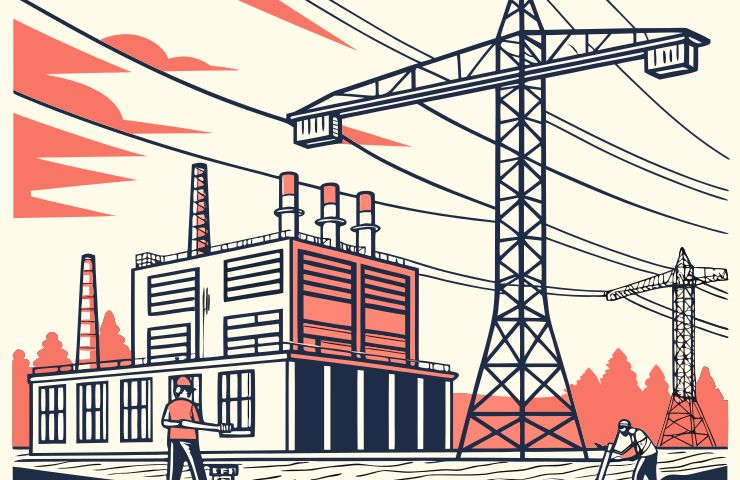
Here’s the lowdown: Uniper sold land at its Staudinger plant to TenneT Germany, setting the stage for the new switchyard. TenneT will raise a 380 kV switching station that plugs into its north-south power artery. Both sides are aiming for a 2030 start, which should help ease the grid squeeze around Frankfurt. That switchyard is basically the missing puzzle piece to pump high-voltage juice to data centers in the Rhine-Main corridor and tie in Uniper’s upcoming hydrogen infrastructure and battery storage setup.
What It Means
The Rhine-Main region has morphed into a data center gold mine. Tech giants can’t afford surprise blackouts or surprise bill spikes, so reliable, cheap juice is non-negotiable. Without grid upgrades, power demand could outpace supply, leading to sticker shock or stalled expansions. This new switchyard cushions that risk and underpins Germany’s 2030–2045 ambitions for sustainable energy and industrial decarbonization. By locking in a spot next to a site primed for more hydrogen production and storage, the project dovetails neatly with federal goals for flexible capacity and a future hydrogen economy. Investors will be watching—it’s a living proof that repurposing old coal and gas sites can be both green and bankable.
Tech Under the Hood
We’re not talking small potatoes. That 380 kV switchyard is the workhorse of extra-high-voltage transmission—a hub that flips and funnels power flows at 380 kilovolts. It’ll link up multiple overhead lines, steering energy north toward Frankfurt and south into Lower Franconia. In real-world terms, it handles peak loads, reroutes juice on the fly, and, according to the companies, cranks up transmission capacity by over 50%—though they haven’t laid out the exact numbers.
Next to it, Uniper plans to bolt on a hydrogen-ready combined cycle gas turbine (CCGT). This turbine runs on a combo of natural gas and green hydrogen, with its sights set on eventually burning 100% hydrogen as electrolyzers and supply chains catch up. Fire it up on gas today, flip the switch to hydrogen tomorrow.
Rounding out the setup is a battery storage system—a massive buffer bank that soaks up surplus power from renewables or the CCGT. When data centers hit peak demand, the batteries kick in instantly, stabilizing voltage and frequency so servers don’t blink. And because everything—switchyard, CCGT, batteries—is modular, future upgrades (think bigger electrolyzers or expanded storage) slide in without tearing down the whole rig.
Strategic Moves
Uniper may have been under government guardianship since the 2022 energy crunch, but it’s playing offense, not defense. Offloading land to TenneT turns a potential stranded asset into a vital artery of Europe’s grid. By penciling in a 2030 commissioning date, Uniper de-risks its site ahead of auctions for flexible capacity; when that hydrogen-ready CCGT flips on, it’ll bid with bona fide low-carbon credentials.
For TenneT, this deal cements its footprint in the Rhine-Main corridor, complementing a recently approved 9 km 380 kV line west of Frankfurt and other overhead link plans. Grid operators crave certainty, and snagging prime real estate at Staudinger dodges land disputes that can gum up the works. This node will let TenneT blend heavy-hitting renewables from the north with conventional feeds, smoothing out swings and guaranteeing zero-downtime power for data centers.
With Ina Kamps steering TenneT Germany’s strategy, the grid’s role in industrial decarbonization has never been clearer. Securing Staudinger isn’t just about towers and transformers—it’s about owning the hardware that’ll ship both electrons and tomorrow’s fuel—hydrogen—across Germany. Both firms are hedging bets: Uniper on hydrogen production and storage markets, TenneT on transmission rights and green credentials. When privatization chatter resurfaces, they’ll point to this project as proof that growth and green aren’t mutually exclusive.
Company Context
Uniper spun off from E.ON in 2016, inheriting Europe’s coal and gas backbone. The 2022 crunch forced a government lifeline to stave off blackouts, and since then it’s been on an upgrade binge—mothballing coal units, trialing hydrogen-ready burners, and scouting brownfields for storage. Meanwhile, TenneT—the Dutch-German grid operator behind over 25,000 km of power lines—has been racing to stitch new transformers and overhead links into the Rhine-Main network since 2025. Partnering with Uniper means TenneT skips years of permitting and environmental hoops, planting critical infrastructure on land already zoned for power production.
Analyst’s Take
Here’s the kicker: energy transitions are often tripped up by red tape and shifting politics. By teaming up, Uniper and TenneT sidestep years of bureaucracy—Uniper swaps land, TenneT brings grid expertise. It’s practical, but execution risks remain: permits could drag, policies could pivot, and local pushback might surface. Plus, banking on hydrogen production scale-up and electrolyzer rollouts is still a bet. We’ve seen green-hydrogen projects slip timelines before. But if they nail this, they’ll have sketched a blueprint for repurposing industrial sites across Europe.
Looking Ahead
Whether this pact becomes a standout success or just another footnote hinges on hitting that 2030 milestone. Nail it, and Europe might just have its gold-standard playbook for retrofitting coal-and-gas sites. Miss it, and talk of “stranded assets” will come roaring back. I’ll be watching how fast they file permits, lock in financing, and break ground. In the fast lane of the energy transition, speed really is the new currency.
 With over 15 years of reporting hydrogen news, we are your premier source for the latest updates and insights in hydrogen and renewable energy.
