Hydrogen Production Gets a Boost from EnerHy’s PV-Electrolyser Demonstrator Challenge
January 5, 2026EnerHy—the EPSRC-funded Engineering Hydrogen Net Zero Centre for Doctoral Training led by Loughborough University—has kicked off its second cohort design and build challenge. PhD researchers are gearing up to create a world-class solar research farm measurement system alongside a thermally integrated PV-electrolyser hydrogen demonstrator. The goal? Proving that linking solar PV straight into electrolysis can churn out green hydrogen at scale, nudging the UK closer to its sustainable energy and net zero ambitions.
Why This Matters
Green hydrogen isn’t just a buzzword—it’s a game-changer for industrial decarbonization. Hard-to-abate sectors like heavy transport, steelmaking and shipping all need reliable methods for hydrogen production to clean up their act. By marrying data-driven solar measurement with smart thermal control in the electrolyser, this challenge tackles two big headaches: squeezing every last drop of energy out of the sun and keeping hydrogen output steady, even when clouds roll in. That kind of resilience could be the blueprint for off-grid or islanded networks chasing energy security.
Inside the Tech
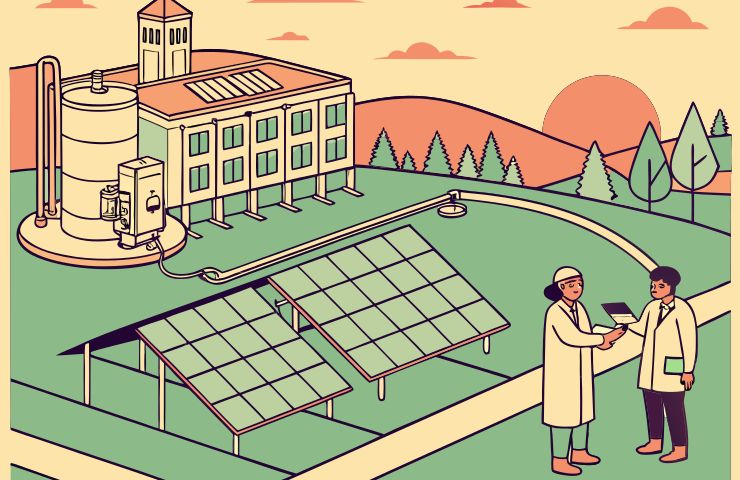
At the heart of this project is the thermally integrated PV-electrolyser prototype, where high-efficiency PV panels feed clean, green hydrogen production through direct electrolysis. A built-in heat exchanger recycles waste heat to keep the electrolyser humming at its sweet spot, boosting efficiency. Over on the solar farm, the measurement system—complete with irradiance, temperature, voltage and current sensors—snags real-time data and folds performance metrics right into the hydrogen workflows. Think of it as a feedback loop that turns numbers into actionable insights for tweaking and improving designs.
Strategic Partnerships
Backed by the EPSRC and teamed up with industry names like CPH2, EnerHy’s challenge is far from an ivory-tower exercise. Students will buddy up with manufacturers, wrestle with supply chain puzzles, run cost modelling and navigate regulatory mazes. This hands-on, collaborative vibe means early-stage ideas have a clear path from the lab bench to commercial-scale hydrogen production projects.
Building on a Strong Foundation
EnerHy’s second cohort stands on the shoulders of the first challenge, which rolled out a lab-scale PV-electrolyser demonstrator in 2024 and proved the concept in miniature. Since the Paris Agreement, green hydrogen R&D has boomed worldwide, and the UK’s EPSRC funding has been a real catalyst for training the next wave of experts. Over at Loughborough University‘s Electrochemical and Materials Performance Integration Centre (EMZCIC), researchers have been pushing the boundaries of PV-electrolyser integration for years.
Beyond the Lab
The real magic happens when data escapes the lab. Measurements from the solar farm will feed into digital twins, powering remote optimization and predictive maintenance. That open-ended research playground gives future cohorts the chance to refine algorithms, experiment with new electrolyser chemistries and test next-gen materials—all without needing to rebuild the hardware from scratch.
Training the Next Generation
At its core, this is people power. EnerHy hands PhD candidates the reins on instrumentation, workflows and prototype build-outs, fostering a skill set that spans PV engineering, thermal management and hydrogen storage. “We’re equipping the future workforce with the tools to design and operate integrated energy systems,” says Dr Tom Betts, Reader in Applied Photovoltaics at Loughborough University. It’s a crash course in turning academic know-how into real-world impact.
Implications for Hard-to-Abate Sectors
Coupling solar PV directly to an electrolyser could be a lifeline for operators running fuel cell trucks, shipping bunkers or industrial heating systems. Early models suggest you could see up to a 15% bump in annual hydrogen yield versus standalone electrolysis setups, all thanks to that clever thermal recycling. If those numbers hold up in field trials, operators might chop operational costs by double digits—paving the way for hydrogen fuel cells to seriously challenge diesel by the late 2020s.
Economic Ripple Effects
The hard numbers are still cooking, but there’s a real chance this project could spark a Midlands manufacturing boom—everything from sensor makers to heat exchanger fabricators could find themselves in the mix. Teaming up with CPH2, these prototypes could seed pilot deployments by 2027, creating jobs and de-risking investments in the UK’s budding hydrogen infrastructure. That’s sustainable energy growth in action.
What to Watch
- Prototype performance: overall efficiency, H₂ output stability and thermal management hotspots
- Data platforms: how well digital twins and AI-driven optimization mesh with real-world operations
- Industry uptake: new partnerships, funding rounds and tweaks to hydrogen standards policy
Policy and Regulatory Alignment
EnerHy’s findings could feed directly into the UK government’s next hydrogen strategy update—especially around hydrogen storage safety standards and grid integration rules. By laying out open data on how fluctuating solar input dances with electrolyser dynamics, regulators get the insight they need to write real-time compliance guidelines, smoothing the road for future hydrogen hubs. That’s a win for clean energy policy and industrial decarbonization alike.
In the year ahead, EnerHy plans to fling its prototype data wide open, inviting feedback loops from both industry and academia. If all goes to plan, this challenge won’t just spawn a working demonstrator—it’ll signal that the UK is ready to take the lead in clean hydrogen production and sustainable energy innovation.
About EnerHy
EnerHy is the EPSRC Engineering Hydrogen Net Zero Centre for Doctoral Training, led by Loughborough University. Set up to fast-track affordable, scalable hydrogen solutions, EnerHy equips doctoral researchers with hands-on expertise in everything from PV-electrolysis integration to advanced hydrogen storage and fuel cell applications.

 With over 15 years of reporting hydrogen news, we are your premier source for the latest updates and insights in hydrogen and renewable energy.