
Hydrogen Production: Powerhouse Energy Secures Lease for Waste-to-Hydrogen Facility in Ballymena
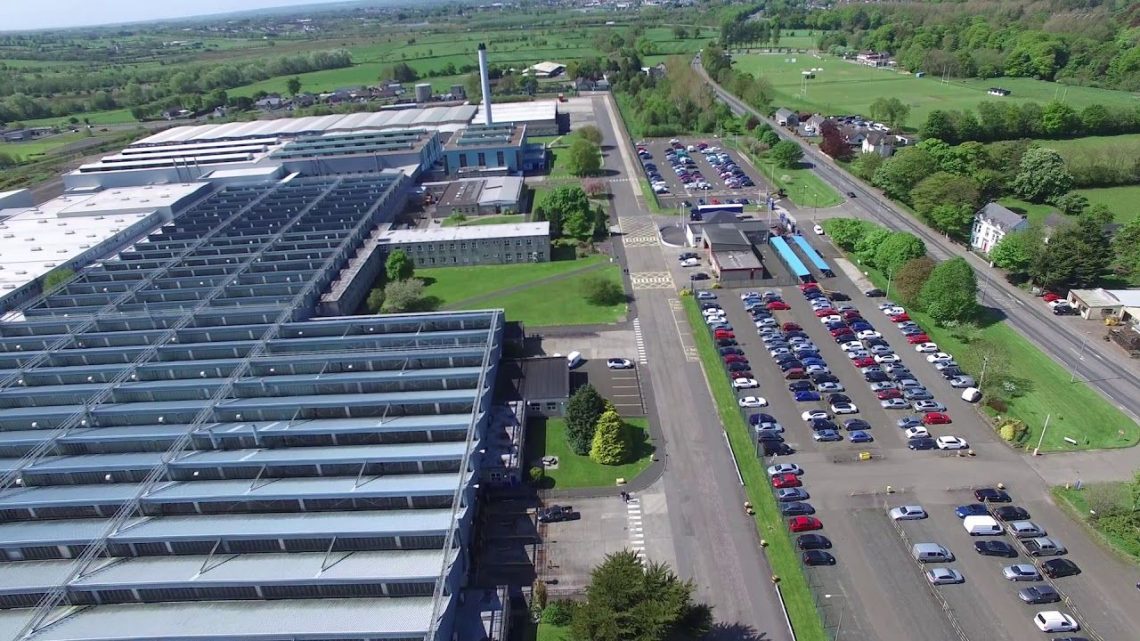
January 30, 2026We’re buzzing with excitement over a big move for hydrogen production and sustainable energy in Northern Ireland. This January Powerhouse Energy Group plc, an AIM-listed UK outfit that turns waste into low-carbon power, locked in a 25-year lease at Silverwood Business Park in Ballymena, County Antrim. Spanning just under two acres, the site will host a 40 tonnes per day (TPD) waste-to-hydrogen plant—right in line with the UK’s hydrogen strategy and Northern Ireland’s drive for industrial decarbonization. Plus, it’s set to be a real shot in the arm for the local economy.
Lease Agreement and Site Terms
- 25-year lease with up to 12 months rent-free—perfect for kickstarting the project.
- Rent reviews every five years to keep things aligned with market rates.
- A break clause after year five if business needs shift.
- Full takeover hinges on planning approval from Mid and East Antrim Borough Council.
These flexible terms show Powerhouse Energy’s commitment to solid, long-term investment in hydrogen infrastructure, while giving them breathing room during the early stages.
Technology and Process Overview
The heart of the plant is Powerhouse’s unique waste-to-hydrogen technology, marrying thermal conversion with top-notch syngas cleaning and conditioning. Here’s how it works:
- Feedstock Pre-Treatment: Non-recyclable plastics, worn-out tyres, and other waste get sorted and shredded.
- Gasification: Waste hits high temps, turning into syngas made up of hydrogen (H₂), carbon monoxide (CO), and CO₂.
- Syngas Cleaning: Filters out particulates, tars, and acid gases to safeguard the gear downstream.
- Hydrogen Separation: Using pressure swing adsorption or membranes, they pull out up to 99.999% pure hydrogen. The leftover syngas? It can fuel chemical processes or a combined heat and power system.
- Residue Handling: Non-combustible bits get collected as a tiny volume of inert by-product, ready for safe disposal or even reuse.
Because it’s all in an enclosed system, emissions are minimised, landfill volumes drop by around 14,600 tonnes every year, and the plant stays compact. Modular design means maintenance doesn’t force a full shutdown, keeping operations humming along.
Business Strategy and Commercial Path
Powerhouse Energy isn’t putting all its eggs in one basket. They’ve lined up multiple revenue streams:
- Hydrogen Sales: Selling 99.999% pure hydrogen for transport and power under multiyear offtake deals.
- Engineering Services: Through their consulting arm, Engsolve, they’ll handle FEED studies, detailed design, construction oversight, and operations support—leveraging a solid track record of pilot plants.
- Technology Licensing: Ballymena’s facility will be the flagship model, paving the way for licensing the waste-to-hydrogen process in new markets.
“Securing the Silverwood site marks our shift from pilot to full-scale commercial operations,” says Paul Emmitt, CEO of Powerhouse Energy. “This lease is a major milestone in scaling up our waste-to-hydrogen model and opening doors to fresh partnerships.”
Regional Context and Collaboration
Ballymena may have started out as a hub for linen and engineering in the 19th century, but today it’s fast becoming a clean energy hotspot in County Antrim. The Silverwood plot sits smack next to potential partners:
- Wrightbus: Crafting hydrogen buses and fuel cell electric vehicles.
- Translink: Northern Ireland’s transit provider, eyeing hydrogen refuelling depots for its bus fleet.
- Mid and East Antrim Borough Council: Offering planning support and infrastructure backing to nurture a hydrogen hub.
Emmitt says talks are underway with these folks, though formal pacts are still in the works.
Policy Context and Industry Trends
This Ballymena venture lands right as the UK’s 2021 Hydrogen Strategy gains traction, aiming to ramp up low-carbon hydrogen production through various techs. Northern Ireland’s early bets on hydrogen buses from Wrightbus have already sent demand signals. By weaving waste-to-hydrogen into this policy fabric, Powerhouse Energy could bolster supply resilience and set a template for other regions hunting zero-emission technology solutions.
Comparative Projects and Market Position
Across Europe, there are pilots turning waste into syngas or fuels, but few have nailed down full-scale leases. Ballymena could leapfrog other demos, offering real-world data on capacity, costs, and lifecycle emissions. A successful roll-out here might just sway investors and speed up similar projects elsewhere.
Financing and Investment Landscape
With the lease secured and Engsolve lined up for engineering, Powerhouse Energy is in a sweet spot to boost its fundraising. Regional and national hydrogen funds, plus growing private interest in industrial decarbonization, could funnel grants and green financing their way. Meanwhile, Engsolve’s consulting gigs help fatten the pipeline for funding throughout the build-out phase.
Environmental and Economic Impact
Pulling around 40 TPD of waste out of landfills, the Ballymena facility is set to:
- Reduce Greenhouse Gas Emissions: Stop methane from rotting waste and swap out diesel or gas with clean hydrogen.
- Support Circular Economy: Turn trash into a low-carbon resource, closing the loop on waste.
- Create Local Jobs: From engineers and operators to maintenance and logistics, the plant’s construction and steady-state operations will need a solid workforce.
- Enhance Grid Flexibility: Hooked to BS Holdings’ planned Penta hydrogen-to-power system, surplus hydrogen can juice up the grid or back up power when needed.
All of this lines up nicely with UK and Northern Ireland targets for industrial decarbonization and waste reduction, offering a playbook that other councils could adopt.
Regulatory Roadmap and Risks
- Planning Decision: Submitted in Q1 2026, aiming for approval by late 2026.
- Feedstock Contracts: Locking in long-term deals with local waste handlers.
- Offtake Finalisation: Sealing multiyear hydrogen supply contracts with transport or industrial clients.
Certain bumps could show up—planning snags, feedstock hiccups, or scaling tech up—but Powerhouse’s pilot know-how and Engsolve’s engineering backup should help smooth the path. Close coordination with local authorities will be key.
Broader Implications and Forward Look
If Ballymena succeeds, it could become a go-to template for meshing waste management with hydrogen infrastructure. Here are the big takeaways:
- Scalability: Modular setup makes it easy to copy at sites with different waste mixes and hydrogen needs.
- Policy Alignment: Directly supports the UK’s hydrogen strategy and local net-zero ambitions.
- Market Signals: A smooth commissioning and solid offtake deals could unlock more private funds.
- Technology Validation: Live performance data will help fine-tune engineering and drive down costs.
As 2027 nears, eyes will be on the first hydrogen streams flowing out of Ballymena. How the plant performs might even steer public policy and shape incentives for waste-to-hydrogen projects across the UK—and beyond. At the end of the day, hitting those design targets could mean competitive hydrogen pricing and a broader embrace of zero-emission technology in transport and power.
Powerhouse Energy’s deal at Silverwood Business Park isn’t just about grabbing some land—it signals a shift towards a circular, low-carbon future where waste fuels clean energy clusters and local economies thrive from cutting-edge innovation.

 With over 15 years of reporting hydrogen news, we are your premier source for the latest updates and insights in hydrogen and renewable energy.