Hydrogen Research Platform at University of Stuttgart Drives Industrial Decarbonization
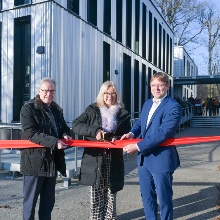
January 23, 2026I’m buzzing with news from the heart of Baden-Württemberg—over at the University of Stuttgart, WAVE-H2 just made its grand entrance. Thanks to roughly €36 million from the Federal Ministry of Education and Research (BMBF), this hydrogen research platform is an all-in-one powerhouse for industrial decarbonization. Imagine cutting-edge labs seamlessly linked to megawatt demo sites—exactly the boost the green hydrogen world has been craving.
The Full-Chain Approach: WAVE-H2 Arrives in Baden-Württemberg
Most hydrogen projects focus on a single piece of the puzzle, but WAVE-H2 flips that on its head by covering the entire value chain—from PEM electrolysis through fuel cells and green chemical synthesis. Under the guidance of Prof. Alexander Sauer at the Institute for Energy Efficiency in Production (EEP) and Prof. Kai Peter Birke at the Institute for Photovoltaics (ipv), the setup marries Stuttgart-Vaihingen’s innovative labs with a full-scale test site in Freudenstadt. Two locations, one goal: take breakthroughs from benchtop to production floor.
Here’s the Secret Sauce: 1 MW PEM Electrolysis
At WAVE-H2’s core sits a 1 MW PEM ME450 electrolyzer from H-TEC SYSTEMS. It taps into Proton Exchange Membrane electrolysis, powered by local renewable electricity, to split water into zero-emission hydrogen and oxygen. Think of it as a next-level testbed already flirting with industrial scale.
By feeding that electrolyzer with green power straight off the grid, the team can dial in efficiency, durability and ramp-up profiles without missing a beat. That hands-on fine-tuning slashes the gap between lab demo and market-ready kit.
From Electrolyzer to Ammonia: A Full Power-to-X Lineup
Here, power-to-X isn’t just industry jargon—it’s the game plan. The hydrogen produced flows into ammonia synthesis and recovery units, letting researchers see how NH₃ stacks up for energy-dense, long-haul transport. Right beside those, methanol production modules run so teams can compare which chemical carrier wins on cost, storage and efficiency.
Ammonia’s high energy density and easy handling make it a top contender for shipping hydrogen overseas. WAVE-H2 goes a step further by cracking NH₃ back open to reclaim H₂, uncovering insights that could reshape global supply chains.
Fuel Cells, Sustainable Aviation Fuel and More
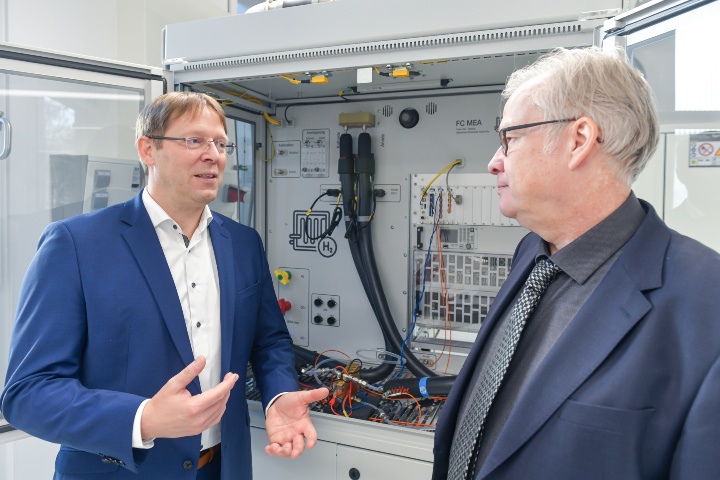
Next up are fuel cell systems that turn clean hydrogen into electricity and heat. A custom test rig pushes these cells under realistic industrial loads, letting scientists optimize output for peak performance and minimal downtime.
On the aviation front, WAVE-H2 is exploring sustainable aviation fuel (SAF) via hydrogen-driven catalytic conversion of biogas. The goal? Shrink air travel’s carbon footprint without overhauling jet engines.
Waste Pyrolysis: From Trash to Treasure
One of the coolest demonstrations is waste pyrolysis. By heating organic leftovers in an oxygen-free reactor, they crack complex molecules into simple precursors. Mix in hydrogen, and those fragments transform into high-value chemicals that today rely on petroleum.
It’s more than responsible disposal—it’s turning garbage into green chemicals and giving fossil fuels a run for their money.
Bivalent Flexibility: Balancing Power and Hydrogen
Flexibility is key at WAVE-H2. Their bivalent systems switch between renewable electricity and hydrogen feedstock, depending on price and availability. When solar and wind are abundant, they run on cheap electricity. When renewables dip, hydrogen steps in to keep everything humming.
This dual-mode dance smooths out the ups and downs of green energy, squeezing every bit of industrial decarbonization out of the process.
Collaboration and Ecosystem: CHEMampere, ARENA2036 and Friends
WAVE-H2 isn’t flying solo—it’s woven into a vibrant innovation network. Partnerships with CHEMampere push CO₂-neutral chemical routes, while ARENA2036 brings digital manufacturing savvy to the table. Together, they speed pilot successes into full-blown industrial solutions.
This collaborative ecosystem attracts universities, startups and global industry players hungry for next-gen green hydrogen tech.
Freudenstadt: Where Theory Meets Gigawatts
By summer 2026, Freudenstadt’s megawatt-scale demos will kick into gear. Here’s where theory faces real-world twists—energy price swings, logistics puzzles and supply-chain quirks. It’s the ultimate test: proving these systems can run reliably and profitably at scale.
Germany’s Green Hydrogen Play
With solid backing from the BMBF and leadership from Prof. Sauer and Prof. Birke, WAVE-H2 drives home one message: Germany is all-in on the hydrogen revolution. The platform is forging new expertise, spawning IP, and eyeing exports of German know-how worldwide.
It’s not just labs and demos—it’s a strategic move to cement Baden-Württemberg as a global hub for green hydrogen.
Bottom Line: Why WAVE-H2 Matters
WAVE-H2 isn’t a one-off breakthrough—it’s a seamless pipeline tackling hydrogen production, storage, conversion and end-use. It’s a blueprint for how research institutions and industry can team up to kick fossil fuels to the curb in steel, aviation, chemicals and beyond.
Platforms like this are vital if we’re serious about decarbonizing sectors where electrification alone won’t cut it. And that’s exactly what makes WAVE-H2 a real-world champion on the road to climate neutrality.

 With over 15 years of reporting hydrogen news, we are your premier source for the latest updates and insights in hydrogen and renewable energy.