Industrial Decarbonization Boosted by On-Demand Hydrogen Engine Cleaning at ICL
December 19, 2025When you’re chasing every last percentage point to hit the UK’s net zero goals, Industrial Chemicals Ltd (ICL) decided to roll up its sleeves. On December 2025, this West Thurrock–based chemical maker sealed a three-year deal with Engine Carbon Clean (ECC), bringing on-demand hydrogen engine cleaning to its 90-truck fleet. It’s a clear sign that industrial decarbonization isn’t just talk—it’s action you can measure.
From Trial to Full Contract
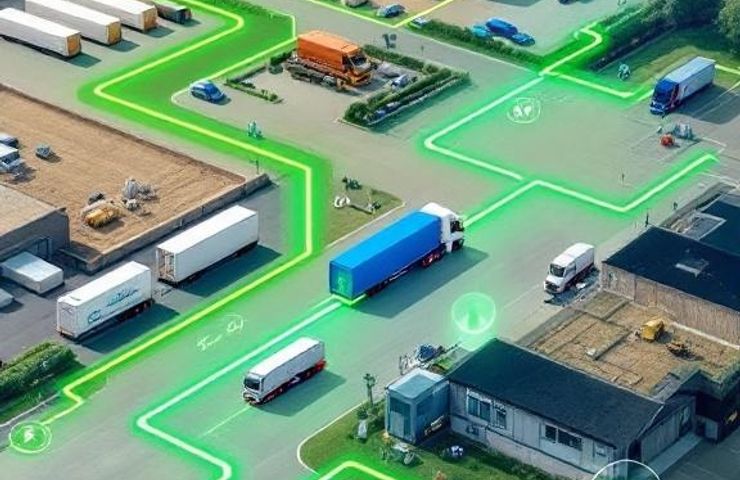
ICL dipped its toes into the water earlier this year, sending a third of its trucks to the Millbrook Proving Ground in Bedford and running trials right on its West Thurrock yard. Armed with ISO-calibrated gear, teams tracked emissions and fuel usage—and saw a solid 7%+ drop in CO₂ and fuel costs. CFO Steven Swaby didn’t blink: he green-lit a full rollout, betting that this boost will turbocharge the company’s sustainable energy roadmap and shine up its ESG credentials.
How the Technology Works
Engine Carbon Clean relies on a compact, on-site electrolysis unit to split water into oxyhydrogen (HHO) gas. This HHO gas feeds straight into an engine’s air intake, scrubbing away carbon gunk in cylinders, ports and exhaust channels. No harsh solvents, no scorching backflushes, no bulky hydrogen tanks—just clean, controlled chemistry. Smart sensors keep tabs on gas flow and emissions in real time, so every treatment hits the sweet spot.
Proven Gains in Fleet Performance
Testing at Millbrook delivered the goods: CO₂, CO, NOx and N₂O all fell by more than 7%, and fuel use followed suit. Back at West Thurrock, rigid trucks, tractors and tankers posted the same improvements. Even diesel particulate filters thanked the tech, needing fewer regenerations—so downtime and maintenance bills took a nosedive. As Swaby puts it, “It’s rare to see double-digit wins for both the planet and the bottom line so fast. This pays back in months, not years.”
Strategic and Environmental Benefits
For ICL, this isn’t just another sustainability checkbox. It lines up perfectly with the company’s pledge to hit net zero by 2050, giving its logistics arm a concrete tool to slash emissions. Extended engine life, fewer maintenance stops and lower fuel bills mean leaner operations and tighter carbon accounting. And let’s be honest—clients and investors are watching. Fleets that adopt zero-emission technology often snag better spots in tender processes and ESG rankings.
Hydrogen Cleaning in Context
We usually hear about green hydrogen for energy storage or fuel cells, but its role in hydrogen production and industrial decarbonization is equally compelling. ECC’s system builds on decades of water electrolysis and HHO research, repurposing it for maintenance rather than propulsion. In the UK, road freight accounts for nearly a quarter of transport emissions, so innovations like this are crucial. Fleets tap into the existing grid and water supply—no fancy new filling stations required. That low barrier to entry is why hydrogen cleaning is gaining traction across sectors, from construction sites to marine fleets.
ICL isn’t alone in seeing these gains. Earlier this year, other logistics firms reported similar boosts, and Balfour Beatty is trialling ECC tech on its heavy plant machinery. But ICL’s speedy jump from pilot to full deployment really shows that on-demand hydrogen cleaning is ready for center stage.
Looking Ahead
With the first freshly cleaned trucks rolling out of West Thurrock, ICL is already plotting a UK-wide rollout. ECC plans to expand its service network, training local crews to handle quarterly treatments—experts recommend four cleans a year for peak performance. If ICL’s results are anything to go by, hydrogen-powered engine maintenance could soon be the norm, chipping away at carbon footprints fleet by fleet.
At the end of the day, ECC’s on-demand hydrogen solution proves that sustainable energy technologies can deliver real returns. And for pioneers like ICL, it’s a reminder that the road to net zero sometimes winds its way right into the engine’s air intake.

 With over 15 years of reporting hydrogen news, we are your premier source for the latest updates and insights in hydrogen and renewable energy.