
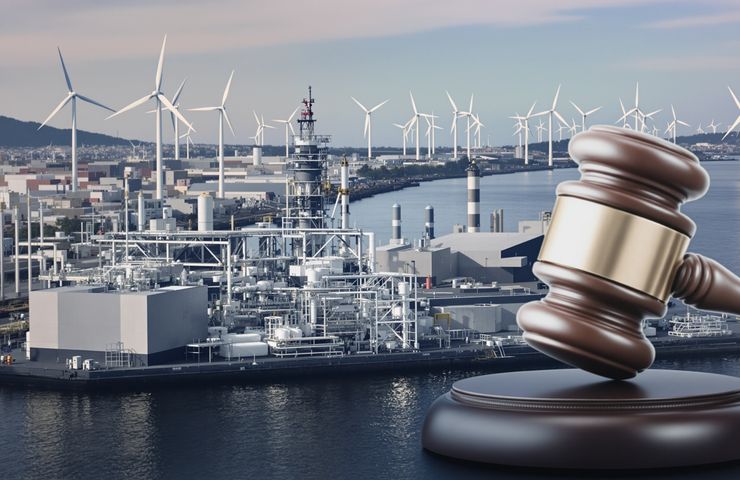
Judge Poised to Restore $1.2B to California Hydrogen Production Hub
December 21, 2025When news hit on December that a federal judge was leaning toward reinstating $1.2 billion in support for California’s flagship ARCHES hydrogen hub, the energy community couldn’t help but take notice. One courtroom hearing might just flip the script on an October decision by the U.S. Department of Energy (DOE) that yanked $7.6 billion in clean energy grants—moves critics slammed as political payback against blue states.
Why This Matters
California’s been at the cutting edge of hydrogen production and green hydrogen breakthroughs, tapping its golden sunshine and mega-ports to slash emissions from heavy-duty transport and industry. Losing $1.2 billion would’ve jeopardized thousands of jobs, stalled vital infrastructure projects, and cast doubt on Washington’s commitment to zero-carbon fuels.
The Courtroom Turn
At the heart of this drama? An unnamed federal judge in the U.S. District Court for Northern California, who, during a December hearing, grilled DOE attorneys on why ARCHES got the cold shoulder. Court filings reveal DOE Secretary Chris Wright, a Trump appointee, signed off on the cuts on October 2, 2025, pointing to “economic and security concerns.” Here’s the kicker: internal documents admit that blue-state locations factored into the decision, triggering an Inspector General audit this month.
ARCHES: A Hub with Big Ambitions
ARCHES (Alliance for Renewable Clean Hydrogen Energy Systems) snagged a spot in President Biden’s 2022 Regional Clean Hydrogen Hubs program, locking in $1.2 billion back in 2023. Led by heavy hitters like UC San Diego, Stanford, national labs, and industry partner Air Products, the consortium plans to churn out 60,000 tonnes of low-emission hydrogen every year. They’ll use electrolysis powered by renewables—or natural gas plus carbon capture—to feed ports like Long Beach and Los Angeles, trucking fleets, and nearby refineries.
Politicization of Clean Energy Grants
In that October sweep, the DOE axed 321 grants across 16 states, carving out more than $2.1 billion from California alone—while hubs in red states mostly escaped unscathed. Critics, from state attorneys general to congressional Democrats, have cried foul, calling it political retaliation. The DOE, however, insists it was strictly business. Now you’ve got lawsuits piling up, a congressional probe in motion, and an IG audit all vying to untangle fact from friction.
Collateral Impacts
Stripping away ARCHES funding would’ve been more than a budget line item—it would’ve set back millions of tons of CO₂ reductions. California’s ports handle roughly 40% of U.S. imports; without clean hydrogen, heavy-duty trucks and factories stay chained to diesel and natural gas. Plus, yanking that money just as global players like China and the EU sprint ahead risks chilling investor confidence in U.S. hydrogen infrastructure.
Comparisons and Context
On the opposite coast, a Pacific Northwest hub lost about $1 billion in the same round, while a red-state Midwest project reportedly kept its funding. That imbalance stung local leaders, who were counting on clean hydrogen as a lever for industrial decarbonization and fresh manufacturing jobs.
What’s Next?
If the judge orders the DOE to turn the money back on for ARCHES, expect a wave of planning, permitting, and hiring to kick into high gear. That said, the DOE’s already waving red flags about budget rules and contractual roadblocks. And don’t hold your breath—the IG audit and lawsuits could drag on for months, leaving the hub in limbo.
For California—and really the whole U.S.—this isn’t just about dollars. It’s a litmus test for how serious the feds are about championing green hydrogen as a cornerstone of a zero-emission future. As we wait for the judge’s written order, the industry is all ears. Will this ruling steer U.S. hydrogen policy onto a steadier path, or is it just a brief reprieve in a broader political tug-of-war? Either way, the ripple effects will roll through boardrooms, statehouses, and hydrogen production facilities from coast to coast.
 With over 15 years of reporting hydrogen news, we are your premier source for the latest updates and insights in hydrogen and renewable energy.