Low-Carbon Hydrogen Expansion: Hygen Acquires HyBont Project to Power Wales’ Green Future
January 22, 2026We’ve got some exciting news: Hygen just wrapped up the Hygen HyBont acquisition, taking over the HyBont low-carbon hydrogen project in Wales. It’s a bold move that lines up perfectly with the UK’s net-zero hydrogen projects and ratchets up efforts to decarbonise transport, industry, and power across the region. By slotting HyBont into its expanding portfolio—which already boasts planning approval for the Bradford plant and a €20m bid for the Aire-Humber ecosystem—Hygen is stamping its leadership on low-carbon hydrogen production and infrastructure.
Solving Real-World Problems with Clean Energy
Decarbonisation might sound a bit abstract, but it really comes down to something simple: using renewable electricity to split water into hydrogen and oxygen, then using that hydrogen to power vehicles, plants, and heavy industry—without spewing out greenhouse gases. At HyBont, that hydrogen is going to play a starring role in tackling emissions in sectors that are notoriously hard to electrify, from heavy-duty trucking to steel mills. It’s all about practical solutions that mesh with today’s energy systems.
Made in Wales, Made for Wales’ Future
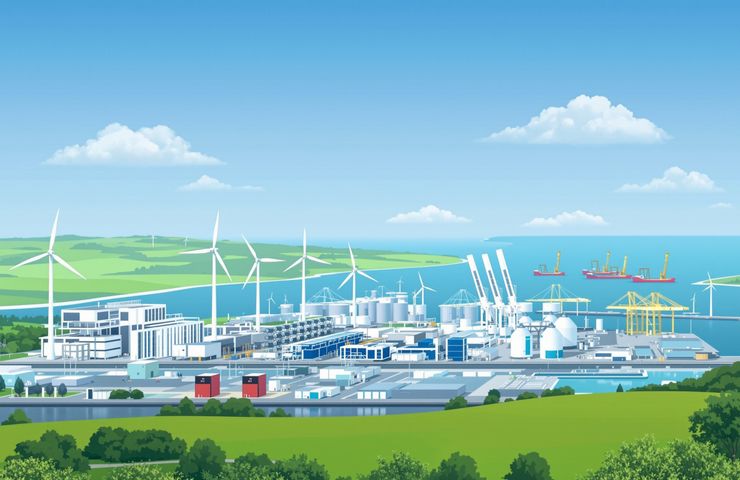
HyBont sits right next to key port infrastructure in Wales, tapping into the region’s rich industrial history and growing offshore wind resources. By building these production-ready facilities locally, Hygen is ensuring jobs stay put in the community. Plus, leaning on Welsh engineering talent means this project is genuinely made in Wales for the nation’s future—a smart, community-first approach that speeds up deployment and helps keep costs down.
The Technology: Low-Carbon Hydrogen, Explained
At its core, low-carbon hydrogen production uses electrolyzers powered by wind or solar, or it pairs steam methane reforming with carbon capture to keep emissions in check. Hygen is all in on the electrolysis route, using renewables to split H₂O molecules into hydrogen and oxygen—the only byproduct is clean oxygen. And if natural gas ever steps in to balance supply, carbon capture makes sure CO₂ doesn’t sneak into the atmosphere.
Local Jobs and Regional Growth
When HyBont kicks into gear, it’s going to create hundreds of direct roles—from plant operators to maintenance crews—and even more jobs across the supply chain. Local steel, electronics, and piping suppliers will see fresh orders, and universities will get in on research partnerships. All told, communities around Welsh ports should feel a solid economic boost.
Tapping into Wales’ Industrial Expertise
Wales has a long history in coal and steel, and now it’s pivoting toward renewables and hydrogen. HyBont will leverage existing port networks for exports, nailing down logistics that often trip up green hydrogen UK projects. By drawing on local know-how, Hygen can speed up development and lay the groundwork for a robust hydrogen infrastructure Wales can be proud of.
Right in Step with UK and European Strategies
This Hygen HyBont acquisition doesn’t stand alone; it builds on previous wins and keeps pace with national and continental roadmaps. From Bradford’s green hydrogen UK thumbs-up to the €20m push for the Aire-Humber corridor, there’s a clear pattern of growth. It dovetails neatly with the UK Hydrogen Strategy’s aim for 10GW of electrolyser capacity by 2030 and fits within EU-UK hydrogen corridor plans—boosting clean energy independence and cross-border trade.
Connecting to European Hydrogen Networks
Hygen isn’t just thinking local—it’s weaving Welsh sites into a larger European tapestry via pipelines, shipping lanes, and storage hubs. Thanks to HyBont’s port access, hydrogen can sail off to markets across the Channel, helping even out demand and supply. It’s all part of a big-picture vision: seamless EU-UK hydrogen corridors that keep clean fuel flowing wherever it’s needed.
Leveraging Wales’ Natural Gas and Ports
While Wales is gaining fame for its wind power, it still has natural gas reserves that can back up production during lulls in renewable output. By blending electrolysis with blue hydrogen processes and carbon capture, HyBont can ramp up output when weather conditions aren’t ideal. And those nearby ports? They open the door to easy export routes, sending clean fuel straight to eager markets abroad. It’s a balanced approach that keeps ambition grounded in reality.
Environmental Impact: Cleaner Air, Lower Emissions
Switching over to low-carbon hydrogen slashes CO₂ from transport and industry—two sectors that alone account for nearly 40% of UK emissions. Plus, hydrogen fuel cells emit only water vapor, so communities near production sites breathe easier. And by leaning on renewable energy, HyBont dodges the ups and downs of fossil fuel markets—an environmental and economic win-win.
Challenges and the Path Ahead
Sure, scaling up hydrogen means upgrading grids and securing hefty investments. But Hygen has shown it can nail planning consent and lock in funding efficiently. Moving forward, teaming up with grid operators, government agencies, and local stakeholders will be crucial. That way, as the hydrogen economy expands, the infrastructure will be ready to roll.
A Network of Clean Energy Hubs
With HyBont now in its corner, Hygen is poised to stitch together a series of production hubs across the UK and Europe. Picture facilities linked by pipelines or shipping routes—a resilient backbone for green hydrogen UK and beyond. It’s an exciting future: fueling buses in Cardiff one day and powering German steel works the next.
All in all, this month’s Hygen HyBont acquisition is a game-changer for low-carbon hydrogen in Wales and beyond. It shows how concrete, well-planned projects can spark local prosperity and global environmental progress. As Hygen keeps growing, we’re bound to see more of these bold steps—turning big ideas into real-world impact.
 With over 15 years of reporting hydrogen news, we are your premier source for the latest updates and insights in hydrogen and renewable energy.