
Max Power Confirms Natural Hydrogen Production at Saskatchewan’s Lawson Well
January 20, 2026It’s official: MAX Power Mining Corp., the Saskatoon outfit tackling natural hydrogen, has struck paydirt at its Lawson well near Central Butte, southern Saskatchewan. After sending samples to three independent labs, they clocked hydrogen concentrations up to 286,000 ppm—and even watched gas flow freely to the surface. For anyone following hydrogen exploration or green hydrogen buzz, scoring a high-purity discovery on the maiden run is huge.
Key Takeaways
- This discovery de-risks MAX Power’s sprawling 1.3-million-acre landbank, paving a scalable route along the 475-km Genesis Trend into Montana and the Dakotas.
- Core samples came back with hydrogen concentrations between 168,000 and 286,000 ppm, all backed by three labs, and the gas flowed naturally to the surface.
- Up next: a cutting-edge 3D seismic survey, AI-driven modeling via MAXX LEMI, and a confirmation well slated for this year.
- A partnership with Bitexco not only funds the commercialization push but also highlights the growing global appetite for green hydrogen.
- This breakthrough could cement Saskatchewan’s spot in industrial decarbonization, offering zero-emission fuel to heavy industries and AI data centers in the Regina-Moose Jaw corridor.
Technical Highlights
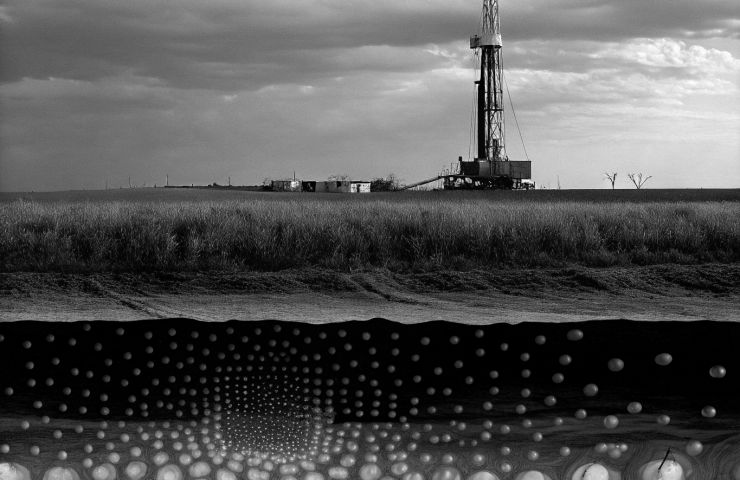
We’re talking about drilling down more than 2 km at the Lawson well, smashing through the Prairie Evaporite salt seal to hit a porous Deadwood formation—think of it as hydrogen’s natural trap, courtesy of those impermeable salt layers. The lab numbers? Between 168,000 and 286,000 ppm of hydrogen in the cores, and the gas came up under its own steam, no dilution needed.
They basically married tried-and-true helium drilling techniques with a laser focus on hydrogen exploration. The team hauled up continuous core samples, ran detailed downhole logs, and set up equipment to snag gas right at the surface. As VP Exploration Shayne Neigum recalls, he first spotted hydrogen sneaking into helium tests back in 2021—turns out the Deadwood’s chemistry was a dead ringer for pure gas pockets.
Strategic Angle
On the business front, this find is a real vote of confidence in MAX Power’s playbook across Saskatchewan’s vast acreage. They just locked down a $5 million private placement with Vietnam’s Bitexco to bankroll the next drilling phase and early development—proof that investors are bullish on clean hydrogen production.
The sweet spot? The Genesis Trend sits on geology similar to well-known potash and helium fields. Regulators are on board too, rolling out policies that smooth the way for white hydrogen exploration, from seismic permits to test wells. With 3D seismic on the horizon and a follow-up well fully funded for this year, the game plan is simple: map it out, nail down volumes, then kick off pilot-scale hydrogen storage demos.
Historical Context
You’ve got to love a good pivot story. Back in 2021, while chasing helium in the Deadwood formation near Climax, Saskatchewan, the geoscience crew noticed stray hydrogen traces. That “aha” moment turned into a full-blown natural hydrogen program spanning the 475-km Genesis Trend, all capped by Prairie Evaporite salt. By tracking helium shows and structural traps, they sharpened their geological playbook, ultimately zeroing in on the Lawson well. It’s a reminder that sometimes the best discoveries come when you follow where the data leads.
Technologies in Play
- Drilling & Coring: Hitting depths beyond 2 km with overbalanced mud to protect show integrity, plus continuous core runs for lab-grade analysis.
- MAXX LEMI AI Platform: A machine-learning wizard that marries well data, seismic insights, and geochemistry to zero in on top hydrogen traps.
- 3D Seismic Imaging: High-res subsurface scans that polish our structural map and spotlight prime spots for confirmation wells.
- Gas Capture & Analysis: Mobile rigs snatch free-flowing hydrogen at the surface, measuring pressure and flow to feed early production models.
Economic and Environmental Implications
From an economic standpoint, Saskatchewan might just be on the brink of its next big resource boom. Already a heavyweight for potash, uranium, and helium, the province now adds natural hydrogen to its portfolio—likely drawing in more capital, skills, and infrastructure. Being so close to the Regina-Moose Jaw Industrial Corridor, with its urgent industrial decarbonization demands, means there’s a ready market for zero-emission fuel.
On the green side of things, this subsurface hydrogen skips the carbon baggage tied to grey or blue hydrogen from steam methane reforming. As a zero-emission feedstock, it’s perfect for hydrogen fuel cells in factories or, when paired with captured CO₂, turning into clean ammonia. It’s a win for global decarbonization targets and could spark new hydrogen infrastructure projects here in Canada and beyond.
Broader Impacts
- Stacked Economics: Mixing helium and hydrogen in the same reservoirs could crank up returns with dual revenue streams from a single well.
- Supply Chain Synergies: Tapping into the province’s existing potash, uranium, and helium pipelines makes shipping and storing hydrogen a smoother ride.
- Regional Energy Security: Homegrown hydrogen cuts the need for imported fuels, beefing up energy resilience across western Canada.
- Policy Momentum: Saskatchewan’s pro-exploration stance on white hydrogen is setting the pace for other regions eyeing cleaner energy growth.
Looking Ahead
Now that the Lawson well is checked off, MAX Power is all about action. They’ll lean on MAXX LEMI for data-driven modeling to nail down drill spots and fast-track resource estimates. At the same time, a 3D seismic survey will paint a sharper structural picture, zeroing in on the juiciest hydrogen pockets.
Thanks to the Bitexco funding, the first confirmatory well is locked in for this year. After that, expect pilot production trials and some serious conversations with industrial players looking to plug into low-carbon hydrogen. If it all goes to plan, we could see a multi-well rollout across their acreage, carving out a new clean-energy corridor in western Canada.
Bottom line? Lawson’s success flips the script—Canada’s move into focused hydrogen exploration is no longer theoretical. With commercial evaluation on the horizon and global clean energy demand ramping up, this discovery could redefine how we tap into hydrogen production and build future energy systems.
About MAX Power Mining Corp.
MAX Power Mining Corp. is a Saskatoon-based explorer on a mission to tap into natural hydrogen reserves across North America. Boasting 1.3 million acres of permits and another 5.7 million acres in the pipeline in Saskatchewan, they’re poised to help decarbonize heavy industries with clean, zero-emission fuel solutions. You can find them trading under CSE: MAXX, OTC: MAXXF, and FSE: 89N.

 With over 15 years of reporting hydrogen news, we are your premier source for the latest updates and insights in hydrogen and renewable energy.

Amazing news!!!