
Michigan Unveils Geologic Hydrogen Initiative
January 20, 2026At the Detroit Auto Show this month, Governor Gretchen Whitmer stamped Executive Directive 2026-1 into law, kicking off the Michigan Geologic Hydrogen Exploration and Preparedness Initiative. Based on a 2025 USGS study that mapped out the state’s underground potential, this plan is basically a showdown between Michigan’s bedrock and the usual ways we do hydrogen production. The big idea? To tap into naturally occurring hydrogen reserves that, when burned, spit out only water—and use them to power heavy-duty trucks, steel mills, ammonia plants and more, all while spurring jobs and fresh revenue. It’s a bold move—imagine pulling green hydrogen straight from the earth, cutting huge power bills and giving Michigan a real clean energy edge.
The Michigan Geologic Hydrogen Initiative
Governor Whitmer’s directive lays out a two-pronged approach. It hands the baton to two agencies:
- EGLE (Environment, Great Lakes and Energy) – chart permitting pathways, model emissions impacts, check infrastructure readiness and whip up workforce training
- DNR (Natural Resources) – sort out leases on state-owned subsurface rights and sketch exploration strategies
Both teams have until early April to turn in detailed reports and recommendations. Their findings will shape where pilot wells go, what regulatory guardrails are needed and how to buddy up with universities and energy firms—making sure the hunt for hydrogen stays green and community-focused. This isn’t just paperwork—it’s about jumping into pilot programs, skilling up Michiganders, and making sure small towns aren’t left out.
Geology at the Heart of Clean Energy
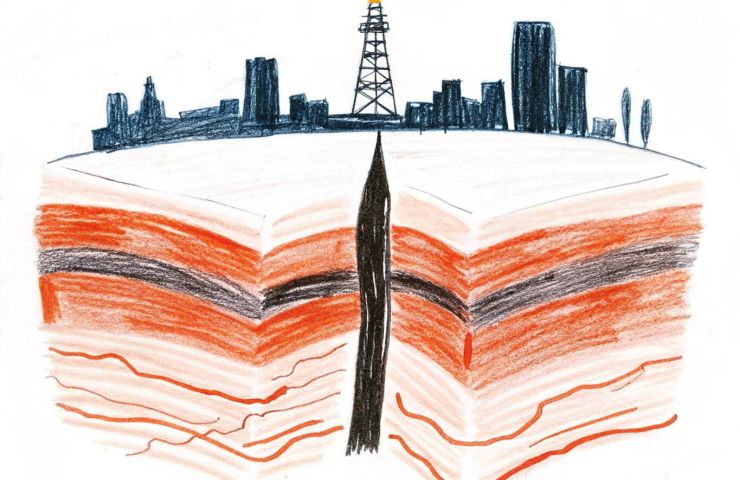
The real MVP here is the Midcontinent Rift—a 1.1-billion-year-old crack slicing through Michigan. It’s got everything we need for natural hydrogen storage:
- Iron-rich ore bodies mingling with underground water
- Porous reservoir rocks where gases pool
- Impermeable cap rocks that have locked in hydrogen for eons
A follow-up USGS geophysical survey flagged high-potential zones from the Upper Peninsula down through the Thumb. By skipping the energy-hungry electrolysis step, this natural chemistry could be a fast track to industrial decarbonization. It’s like unearthing a natural battery, ready to supercharge zero-carbon shipping and heavy industry.
Storage and Infrastructure Readiness
Michigan isn’t starting from scratch. The deep Michigan Basin is loaded with salt formations that have hosted brine and gas storage for ages—ideal for carving out hydrogen caverns. And let’s not forget the tangle of old oil and gas pipelines crisscrossing the state. With some retrofitting, those conduits could carry hydrogen, sidestepping the cost and delay of laying fresh pipe. Initial tests will size up material compatibility and safety protocols, but if it pans out, we could shave months off the rollout. Veteran operators say reusing salt caverns and old pipelines could shave months off timelines, since routes and permits are mostly squared away.
Filling the Hydrogen Pipeline: Economics & Environment
Traditional hydrogen production—think steam methane reforming or electrolyzers—eats up a ton of energy, and in the former case, you need carbon capture to clean things up. Geologic hydrogen, on the other hand, skips most of that drama.
If Michigan’s deposits prove commercially viable, we could see:
- Thousands of new gigs in geology, engineering, drilling, processing and operations
- Fresh state revenues—officials talk in the high tens of millions of dollars each year
- Billions in downstream economic activity across the supply chain
- Truly zero-emission fuel that only spits out water when burned
- Cleaner feedstock for ammonia production, boosting fertilizer and fuel markets
And think price volatility—having native geologic reserves could hedge against spikes in power costs or gas prices, giving fleets more budget certainty.
Mixing geologic hydrogen with green hydrogen from electrolyzers could even smooth out supply swings and stabilize prices tied to renewable generation.
Connecting to Regional and Global Efforts
Michigan’s push dovetails nicely with the Midwest Alliance for Clean Hydrogen (MachH2), which snagged a $1 billion DOE grant in 2023 to build out hydrogen hubs. MachH2 spans multiple states, focusing on electrolyzer deployment, pipeline networks, fueling stations and workforce development. Adding geologic hydrogen into the mix brings a domestic supply twist—potentially cutting down on the need for electrolyzers or gray hydrogen imports. If Michigan’s pilot wells pay off, they could serve as a blueprint for other geologic projects across the US and give a real jolt to the national hydrogen infrastructure rollout. MachH2 partners are already mapping hydrogen corridors from Michigan to Missouri, linking refueling stops and industrial centers.
Historical Lessons and Policy Context
Michigan’s got a mining pedigree in the Upper Peninsula that goes back over a century, turning rock into economic gold. Now, the state’s aiming to channel that spirit into a sustainable era. Governor Whitmer’s MI Healthy Climate Plan set the clean energy groundwork, and this directive is the next step—marrying environmental stewardship with industrial chops. Michigan has long turned geology into prosperity—this is the next chapter.
Roadblocks and Realities
Of course, no new frontier comes without hurdles. Key challenges include:
- Uncertain reserve volumes—nothing’s confirmed until test wells drill in
- Extraction and processing costs—new drilling methods and supply deals will need to be cost-competitive
- Infrastructure upgrades—pipelines, storage caverns and refueling stations have to handle hydrogen’s quirks, like low density and high diffusivity
- Workforce training gaps—building skilled job programs and keeping communities in the loop
- Policy uncertainties—federal incentives can shift with each administration, tweaking the economics
- Community concerns—locals will want transparency on safety, noise and environmental impacts
Building public trust and clear regulations will be key to moving from study to pilot phase.
A Forward Glance
With EGLE and DNR set to deliver their findings by early April, Michigan is at a tipping point. Positive results could kick off pilot drilling and a rapid scale-up alongside energy companies, universities and federal agencies. The outcome? A vibrant geologic hydrogen sector that complements solar, wind and electrolytic green hydrogen, laying down a blueprint for a zero-emission future. If things go well, drills could spin by next winter—if not, Michigan can pivot to renewables or green hydrogen, so there’s always a plan B.

 With over 15 years of reporting hydrogen news, we are your premier source for the latest updates and insights in hydrogen and renewable energy.

Funding? This is a highly, highly speculative venture. Who is putting the countless millions at risk?