Neoenergia and Honda Unveil Brazil’s First Commercial Station in Brasilia
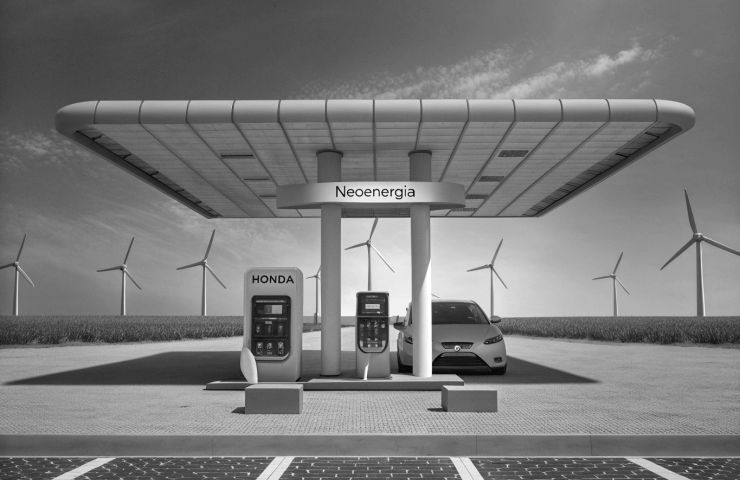
December 1, 2025Neoenergia and Honda have shook hands on a partnership to roll out Brazil’s very first commercial green hydrogen service station in Brasilia. Backed by Brazil’s National Electric Energy Agency (ANEEL) via its Research, Development and Innovation Programme (PDI), they’re putting nearly €5 million on the table—and they’re aiming to fire it up by December 2025.
Key Highlights
- Location: Brasilia, Federal District
- Investment: Roughly €5 million through ANEEL’s PDI fund
- Opening date: December 2025
- Objective: Give urban mobility and road transport a green boost
Brasilia—home to about 3.16 million people and sporting a GDP per capita near USD 8,900—has been carving out a rep as an innovation hotspot. Setting up here isn’t random: it taps into the city’s political core, smoothing the way for quicker regulatory moves and funding decisions down the line.
This tie-up is more than a fancy demo; it’s a huge leap for Brazil’s clean mobility scene. The country already leads on hydroelectric power and is cranking up wind and solar, but hydrogen has stayed niche. By piloting a hydrogen station in the federal capital, Neoenergia and Honda are tackling one of the biggest hurdles to fuel cell technology adoption—the lack of hydrogen infrastructure.
Strategic and Market Implications
Both Neoenergia and Honda aim for carbon neutrality by 2050, and green hydrogen is a perfect tag-team partner to battery electrics in the sustainable energy arena. For Neoenergia, known for electricity distribution and renewable generation, this project flexes its muscle in emerging clean tech. For Honda, the Brasilia station doubles as a live testbed for its latest fuel cell systems in a market that’s ripe for growth.
Globally, OEMs like Toyota and Hyundai are stitching together hydrogen corridors in Europe and Asia. Brazil’s pilot could be the first Latin American station ready for a future regional network. And with Iberdrola’s pending takeover bid for 100 percent of Neoenergia, future hydrogen infrastructure rollouts might speed up under a unified strategy.
Don’t forget, Brazil’s renewable bounty gives it an edge in green hydrogen production costs. ANEEL’s PDI rules also require these pilots to hit performance targets and share what they learn—prime conditions for scaling up. Plus, planting a station in Brasilia could light a fire under policy-makers and private investors, offering a blueprint for other states to follow.
Opportunities and Challenges
This pilot station kicks open several doors:
- A springboard for a national hydrogen infrastructure, attracting heavy-duty and commercial fleets
- Job creation around station construction, electrolysis operations and maintenance
- Technology transfer from Japanese automotive engineering to Brazil’s energy networks
- Support for Brazil’s Paris Agreement commitments and decarbonization goals
Local suppliers of electrolysers and high-pressure tanks will also benefit from the early orders, strengthening the domestic supply chain.
Of course, it’s not all smooth sailing. Upfront costs for electrolysers and compression gear can sting, and consumer adoption may lag until there’s a decent fleet of FCVs and a wider refueling network. Battery EVs still enjoy more mature charging networks and lower sticker prices. Tackling these challenges will demand steady public-private investment, streamlined regulations and coordinated planning.
Looking Ahead
Word on the street is São Paulo and Rio de Janeiro could follow suit once they nail down PDI funding and local partnerships.
With December 2025 on the horizon, all eyes are on Brasilia. If the station hits its targets, we could see green hydrogen hubs sprouting up across Brazil’s major cities and industrial zones. That could tip the scales toward hydrogen where batteries just don’t cut it.
This isn’t just a proof-of-concept; it’s a real-world exam of Brazil’s policy, market appetite and tech chops in building a homegrown hydrogen economy.
About the Companies
Neoenergia has been the Brazilian arm of Spain’s Iberdrola Group since 1997, powering networks in 18 states plus the Federal District. It’s the leading private power company listed on São Paulo’s B3 exchange. Iberdrola already owns 83.8 percent of its shares and is pursuing the remainder.
Honda is the global Japanese automaker doubling down on alternative energy, especially fuel cell technology. This partnership with Neoenergia underlines its commitment to pushing clean mobility forward in emerging markets like Brazil.


 With over 15 years of reporting hydrogen news, we are your premier source for the latest updates and insights in hydrogen and renewable energy.