Nikkiso Delivers Liquefied Hydrogen Pump, Strengthening Japan’s Hydrogen Infrastructure
April 13, 2026You might think a liquefied hydrogen pump skid is just another piece of industrial plumbing, nothing to write home about. Yet, as Japan races toward a hydrogen society, every single module is a big deal—and the one unloaded in Kobe City this month is quietly beefing up the country’s energy backbone. Kobe’s port, once famous for steel mills and shipyards, is now steering hard into zero-emission and clean energy tech.
Core News
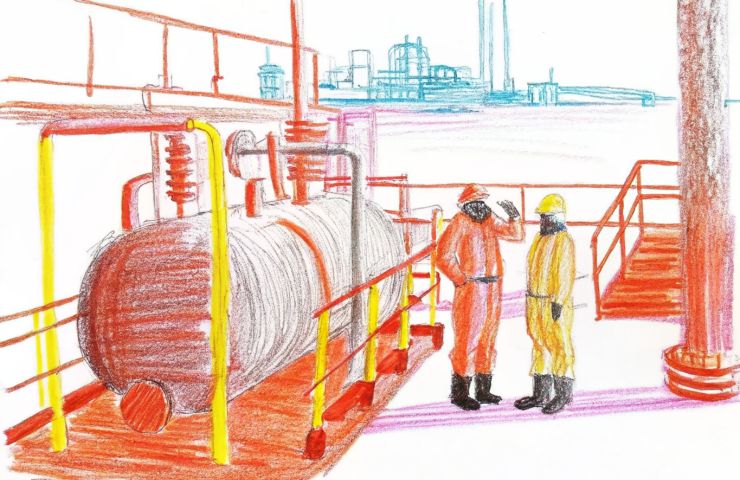
This month, Nikkiso Co., Ltd., the go-to name in cryogenic pumps and mixers since 1953, rolled out a turnkey liquefied hydrogen pump skid to a consortium led by Kawasaki Heavy Industries and Kobe Steel. It’s headed straight for a new hydrogen fuel supply setup along the waterfront in Hyogo Prefecture. Picture a self-contained frame complete with pumps, valves, sensors and insulation—all bolted onto one modular base. Its job? To shuttle super-cold hydrogen from storage tanks into distribution lines or fill stations for fuel cell trucks, buses and backup generators across the region. Nikkiso says it’s ready for on-site commissioning, though the exact plug-in date is still up in the air.
Why It Matters
At first glance, handing over a skid might seem like a minor logistical step, but it plugs a crucial hole in Japan’s hydrogen infrastructure, launched back in 2017. The country’s roadmap aims to slash carbon emissions and shore up energy security by mid-century. To hit those targets, you need import terminals, carrier ships, hydrogen storage hubs and pump stations—each one a vital link in the chain. Modules like this transform blueprints into brick-and-mortar reality, giving fleet operators and utilities a clearer, dependable path to liquefied hydrogen. By tying local pump stations to imported LH2, Japan can dodge wild swings in the LNG market and fortify its overall energy resilience.
Technical Dive
Handling liquid hydrogen at around –253 °C is no small feat. That’s where Nikkiso’s cryogenic pumps come in, paired with precision control valves and a network of temperature and pressure sensors. Triple-layer insulation cuts heat leaks and boils off minimal LH2. The beauty of the skid’s modular design is that you can lock multiple units in parallel to ramp up throughput without tearing out existing pipes. Remote diagnostics hook into SCADA systems, so operators can monitor performance, troubleshoot hiccups and plan maintenance without shutting everything down. If a leak or temp spike shows up, an automated shutdown kicks in, keeping people and gear safe. It’s a smart combo of scalability and safety that underpins real-world LH2 handling.
Historical Context
Japan’s push into hydrogen goes back over a decade. The 2014 Basic Hydrogen Strategy laid the groundwork, and by 2017 it was codified into law. Since then, pilot projects like HySTRA in Hokkaido and the Fukushima Hydrogen Energy Research Field have been stress-testing production, hydrogen storage and distribution on a grand scale. Fukushima even ran solar-to-hydrogen electrolysis, then compressed and liquefied H2 for small-scale drops. Closer to Kobe, the city itself, rebuilt after the 1995 Great Hanshin quake, has leaned on its port roots to host LH2 import trials. Across the sea, the Suiso Frontier tanker has hauled LH2 from Australia, proving the tech can work internationally. This skid delivery is just the latest chapter in that unfolding story.
Industry Partnerships
No one company can pull off a project like this alone. Nikkiso brings decades of cryogenic pump know-how. Kawasaki Heavy Industries, with roots back to 1896, adds its LH2 carrier and fuel cell expertise. And Kobe Steel, founded in 1905, supplies the specialty alloys and insulation materials that keep pipelines from cracking under hydrogen’s embrittlement. Their multilayer insulation panels are key to minimizing heat seepage, while alloy coatings guard against microscopic leaks. Together, they’re stitching together an end-to-end supply chain—from carrier ships to storage, pumps and, eventually, dispensers at the curb.
Collateral Benefits
One skid might sound modest, but its impact radiates outward. In Hyogo Prefecture, local engineers and technicians get hands-on experience with top-tier LH2 kit, building a skilled workforce that’s critical for scaling up. Regulators refine safety rules around cryogenic leaks and boil-off, potentially setting benchmarks for ISO’s TC197 committee. As more commercial fleets swap diesel for hydrogen fuel cells, portside neighborhoods stand to breathe cleaner air—a big win for public health in historically industrial zones. And for vehicle makers—think Toyota’s Mirai—this hardware brings viable refueling on the horizon, finally giving hydrogen cars the backbone they’ve been waiting for. Down the line, domestic skid manufacturing could even fuel export opportunities, boosting Japan’s industrial clout.
Critical Perspective
Of course, hardware alone isn’t a silver bullet. Hydrogen still has to compete on price, and at today’s volumes, liquefied hydrogen carries a premium. Experts say cost parity in some heavy-duty use cases might not arrive until the decade’s end, so there’s a risk these skids could sit idle until economics improve. Meanwhile, battery electric trucks are gathering steam, which might narrow LH2’s window if costs don’t drop fast. And scaling up multiple skid sites will put supply chains for insulation panels, specialty alloys and custom pumps under serious stress. We’re past the hype phase, but the real challenge is stitching together all these pieces into a cohesive, high-volume network.
Looking Ahead
If you’re watching the clean energy transition, the next big question is integration. Will these skids sync up with LH2 imports from the Suiso Frontier? Can utilities blend LH2 into existing gas grids or nail down off-take deals with power companies? Japan’s METI and MLIT are already drafting new safety standards for liquefied hydrogen storage and transport—those rules will dictate how fast future skids can roll out. And don’t overlook the export angle: Nikkiso and Kawasaki Heavy Industries could soon pitch this skid design to early adopters in Europe or North America. Add in competition from ammonia carriers and emerging synthetic e-fuels, and you’ve got a lot of moving parts. Policy decisions today will steer tomorrow’s hydrogen infrastructure roadmap. For now, Japan’s hydrogen infrastructure just took a small but critical step forward—the real milestone will be how quickly those baby steps turn into a full-blown highway.


 With over 15 years of reporting hydrogen news, we are your premier source for the latest updates and insights in hydrogen and renewable energy.