Nordic Power-to-Liquid Project to Produce Synthetic Aviation Fuel in Finland’s Tornio
January 11, 2026Imagine fueling a jumbo jet with fuel made from nothing but renewable electricity and steel-mill exhaust—that’s exactly what Norway’s Norsk e-Fuel and Finland’s Outokumpu are cooking up in Tornio. They’ve just rolled out plans for a €1.2–1.5 billion Power-to-Liquid facility that could churn out roughly 100,000 tonnes per year of synthetic aviation fuel. By tapping into green hydrogen and CO₂ side streams from stainless-steel production, Tornio might soon become a go-to hub for truly clean jet fuel.
What Powers the Tornio eSAF Plant?
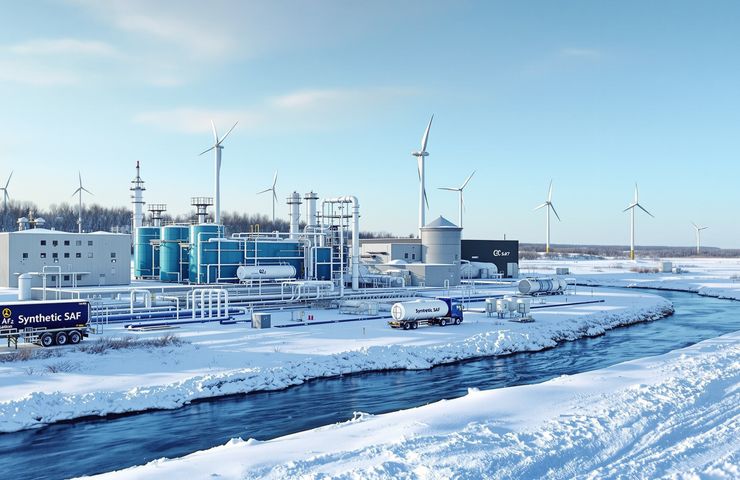
At its core, this project is all about Power-to-Liquid magic. Excess hydro- and wind-power from the Nordic grid feeds a bank of electrolyzers that split water into green hydrogen and oxygen. Meanwhile, CO₂ emissions from Outokumpu’s stainless-steel mill are captured, cleaned up, and mixed with that hydrogen. Next comes the Fischer-Tropsch reaction, which converts the syngas into long-chain hydrocarbons. Finally, those synthetic crudes get refined into drop-in sustainable aviation fuel that works seamlessly with today’s engines and airports.
Who’s Behind the Initiative?
Norsk e-Fuel is no stranger to large-scale PtL projects—they already have an eSAF plant under construction in Mosjøen. This is their first venture outside Norway, bringing top-notch know-how in green-hydrogen production and CO₂ utilization. On the flip side, Outokumpu is a global stainless-steel heavyweight, supplying CO₂-rich exhaust streams and aiming to cut about 200,000 tonnes of direct CO₂ emissions annually—that’s roughly 20 percent of its global footprint—by turning waste carbon into high-value fuel.
Why Does This Matter for Industry and Aviation?
- Emission reductions: Lifecyle CO₂ savings in aviation plus 200,000 tonnes avoided at the mill.
- Energy security: Homegrown supply of strategic fuels in an Arctic industrial hub.
- Economic boost: A €1.2–1.5 billion investment and roughly 250 new local jobs.
- Technology scale-up: Gigawatt-scale green hydrogen and PtL demonstrations for tomorrow’s projects.
A feasibility study kicks off in 2026, with a final investment decision penciled in around 2028 and commercial start-up expected by 2032—assuming permits and financing fall into place. By stitching together heavy-industry CO₂ streams and clean-power hydrogen, the Tornio eSAF plant becomes a showcase for industrial decarbonization and sustainable aviation working in harmony. Sure, nailing down offtake deals, upgrading grid connections and securing water access are real hurdles, but if they pull it off, this Nordic e-fuel project could spark a wave of similar facilities across Europe.
As airlines and policymakers race toward greener skies, the Tornio facility might just become the poster child for what happens when industry, innovation and supportive policy all line up.

 With over 15 years of reporting hydrogen news, we are your premier source for the latest updates and insights in hydrogen and renewable energy.