Oman and EU Launch World’s First Liquid Hydrogen Import Corridor
December 3, 2025Picture yourself on Duqm’s sun-baked docks in Oman, where a silent revolution is stirring. Instead of oil supertankers, sleek vessels are queued up to transport one of the cleanest fuels around—liquefied green hydrogen. This Special Economic Zone isn’t just another port; it comes with integrated hubs for hydrogen, water, and power, making it the ideal springboard for low-carbon exports. Thanks to a new national digital platform, you can sort permits, track every milestone, and bundle licenses all in one place. Everywhere you look, digital dashboards hum away—keeping tabs on renewable generation, hydrogen output, and ship departures in real time. Now that’s energy transition in action!
A Vision Powered by Sun and Wind
Royal Decree 10/2023 kicked off a whole new chapter, carving out vast stretches of desert and coastline for renewable energy parks and hydrogen hubs. Under Under-Secretary Mohsin bin Hamad al Hadhrami at the Ministry of Energy and Minerals, Oman rolled out its five-pillar energy transition strategy—covering renewable energy, green hydrogen, energy efficiency, electric mobility, and carbon capture and storage. These pillars aren’t just buzzwords: nine major deals with industry heavyweights aim to crank out over 1 million tonnes of green hydrogen every year by 2030. Thanks to sun-drenched days and steady coastal breezes, Oman enjoys a cost edge few regions can match. They’ve even sweetened recent auctions in Duqm with fee cuts and tax breaks to kick projects into high gear.
Building the World’s First Liquid Hydrogen Corridor
April 16, 2025, was a landmark day when Oman and the Netherlands inked the Joint Development Agreement to build what promises to be the world’s first liquid hydrogen import corridor. Dutch Minister Sophie Hermans hailed it as “a milestone in clean energy cooperation,” cementing this Oman EU partnership. Eleven players from Oman, the Netherlands, and Germany—like orchestrator Hydrom, energy group OQ, steel giant Tata Steel Nederland, port specialist Hamburger Hafen und Logistik AG, network expert Hynetwork, and vessel innovator Ecolog—all signed on to nail down each link in the value chain. Technical teams from the Oman-EU Green Hydrogen Forum have been fine-tuning compliance standards, mapping out a clear path to RFNBO certification every step of the way.
From Duqm to Amsterdam and Beyond
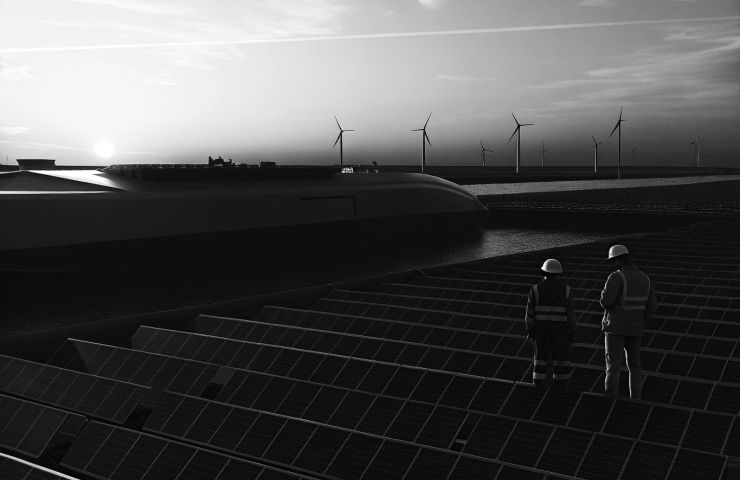
Out in Duqm’s backcountry, huge electrolyzers powered by solar farms and wind turbines split water into zero-carbon hydrogen. Down at the coast, OQ’s brand-new liquefaction plant chills that gas to about –253 °C, shrinking its volume to just 1/800th of its original size. Once it’s supercooled, specialized ships from Ecolog load up these liquid hydrogen tanks—each vessel built to keep things frosty on the high seas. Duqm’s new cold-storage berths and round-the-clock loading systems let these tankers dock and discharge with pinpoint accuracy. When they pull into the Port of Amsterdam, towering storage tanks and high-pressure pumps pop the hydrogen back to gas, feeding pipelines, rail lines, and barges bound for Germany’s Port of Duisburg and industrial hotspots across Europe. First shipments set sail in 2029, with full-scale deliveries ramping up by 2030.
Certifying a Truly Renewable Fuel
Every kilo of green hydrogen shipped along this hydrogen import corridor has to clear the EU’s tough RFNBO standards—Renewable Fuels of Non-Biological Origin. That stamp means European buyers in steelmaking, chemicals, and manufacturing can trust they’re getting genuinely clean fuel, ticking off compliance with the European Green Deal.
Collaboration Driving Sustainable Impact
At the heart of this energy transition is the EU-GCC Green Transition Cooperation Project, an EU-funded trust-builder aimed at deepening decarbonization ties with Gulf states. Oman’s single-window licensing system and slick national digital platform have slashed red tape, letting investors focus on tech and construction instead of drowning in paperwork. Meanwhile, partnerships with leading universities at home and abroad are cranking up R&D, innovation, and skills training. And with funding schemes offering tax breaks, lower fees, and early-stage grants, private capital has surged—turning nine big deals into real, humming green hydrogen factories.
For European industries thirsty for clean fuel, this hydrogen import corridor promises both energy security and diversified supply chains. It’s a clear geopolitical win, too—ditching fossil dependencies in favor of a win-win Oman EU partnership that tightens bonds between the Gulf and Europe. And on the world stage, it lines up neatly with the International Maritime Organisation’s Net Zero targets for 2050, showing off how shipping can drive decarbonized trade instead of hobbling on planet-warming fuels.
A Glimpse into Tomorrow’s Energy Network
We’re standing at the dawn of something big. This liquid hydrogen corridor isn’t just a one-off—it’s a prototype for the intercontinental energy highways of tomorrow. Picture those first tankers slipping out of Duqm, gliding across the waves to power Europe’s factories—and you’ll know we’ve nailed large-scale, zero-carbon exports. Neighbors and regional groups are already eyeballing this model, gearing up to build their own corridors and signaling that the age of fossil fuel dominance is coming to an end. That’s more than just progress—it’s a real game-changer driving the global energy transition toward a cleaner, more sustainable future.


 With over 15 years of reporting hydrogen news, we are your premier source for the latest updates and insights in hydrogen and renewable energy.