Plug Power Advances Green Hydrogen Infrastructure Amid DOE Loan Guarantee Challenges
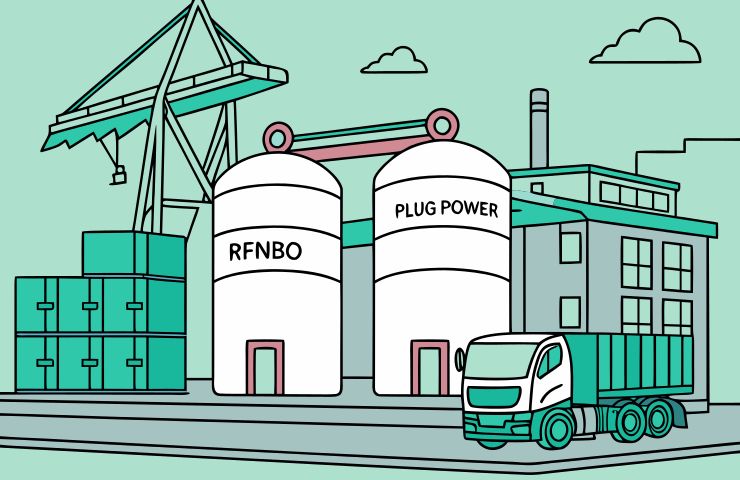
February 27, 2026When you stroll down to the docks of Rotterdam, it’s more than just the hum of cargo ships and cranes—you’re seeing the green hydrogen economy pick up steam. Earlier this month, Plug Power (founded in 1997 and based in Slingerlands, New York) hit a major milestone by delivering the first 32 tons of RFNBO (renewable fuels of non-biological origin) hydrogen at its HyNetwork Rotterdam site. It’s not just about the tally; it’s a signal that this city—long a European trading powerhouse and petrochemical stronghold—is leaning into a cleaner, low-carbon future, using its deep-water port and industrial muscle to spearhead Europe’s decarbonization drive.
Rotterdam Milestone and European Expansion
With roughly 651,000 residents, Rotterdam has evolved from a 13th-century trading post to a global commerce and heavy-industry titan. After WWII, vast petrochemical complexes anchored Europe’s energy system here. Now, hydrogen is joining the mix. When Plug Power’s Rotterdam team pulled off that first RFNBO fill, it proved how you can retrofit docks with electrolyzers, storage tanks and fueling infrastructure to deliver green energy. Local authorities, port operators and energy producers all pitched in—underscoring that public-private teamwork is still essential. This achievement cements Rotterdam’s role as a linchpin in Europe’s budding hydrogen corridor and a strategic node in a transatlantic energy network.
US Operations Fueling Domestic Supply
Meanwhile, thousands of miles away in the southeastern U.S., Plug Power is cranking up its green hydrogen footprint across Georgia, Tennessee and Louisiana. Those three plants together churn out about 40 tons of green hydrogen every day, powering everything from warehouse forklifts to backup generators. In a region home to some 35 million people—with an average rent per capita around $45,000—hydrogen is staking its claim alongside oil and gas. Serving names like Amazon, Walmart and BMW, Plug Power has deployed over 72,000 fuel cell systems and runs 285 fueling stations worldwide. It’s a classic energy pivot: fuel cells keep distribution centers humming, while electrolyzers turn local renewables into a storable, transportable energy source.
Navigating Legal and Financial Crosswinds
Of course, it’s not all smooth sailing. On the finance side, Plug Power is wrestling with legal questions around a DOE loan guarantee. Ongoing lawsuits are probing parts of the guarantee, and any delays could slow down federal funds meant to boost electrolyzer capacity. At the same time, shareholders greenlit a share increase, doubling the authorized shares to three billion. That move gives Plug Power extra headroom to tap new capital—but it also stoked chatter about potential dilution. In the wake of the vote, the stock took a bit of a roller-coaster ride, a reminder that in capital-intensive industries, legal wrangling and funding strategies often go hand in hand.
Preparing for Q4 Results and Project Quantum Leap
Investors are now gearing up for Q4 and full-year 2025 results, due out this month with a 4:30 PM ET webcast. In Q3 2025, Plug Power racked up $177.1 million in revenue—a 1.9% bump year-over-year—and beat forecasts with an EPS of -$0.12. Analysts are penciling in around -$0.10 for Q4. To sharpen its cost structure, the company launched Project Quantum Leap, targeting $150–200 million in annual savings by streamlining operations, zeroing in on core electrolyzer markets and fine-tuning its global supply chain. Balancing growth with profitability is a long game—and these efficiency moves could set the tone for investor confidence down the road.
Collaborative Ecosystem and Strategic Partnerships
Plug Power’s climb so far has been built on collaboration—linking arms with governments, research universities and corporate partners. Through DOE research programs and that loan guarantee, the company is pushing both fuel cell and electrolyzer technologies forward while tapping federal expertise. In Europe, regional energy consortia and municipal bodies have joined forces to weave hydrogen into existing logistics and industrial clusters. Big clients like Amazon and Walmart aren’t just deploying fuel cells; they’re pledging to slash on-site emissions, creating a virtuous circle of demand for green hydrogen. From the lab to the loading dock, this end-to-end ecosystem is helping bring costs down and scale up faster.
Implications for the Global Hydrogen Economy
Step back from the quarterly numbers and court filings, and you’ll see a sneak peek at the future of clean energy. Every ton of green hydrogen made replaces CO₂ from diesel or natural gas in warehouses, trucking fleets and manufacturing processes. With more than 72,000 fuel cell systems in action, urban air quality is improving; and as hydrogen infrastructure expands in Rotterdam and across the U.S., supply chains grow more resilient. As policymakers roll out incentives and mandates for carbon neutrality, these milestones prove hydrogen isn’t just hype—it’s delivering real environmental wins, boosting economic growth, creating skilled jobs and helping nations edge closer to true energy independence.


 With over 15 years of reporting hydrogen news, we are your premier source for the latest updates and insights in hydrogen and renewable energy.