
Port Authority of Alicante Opens Tender for Renewable Hydrogen Production
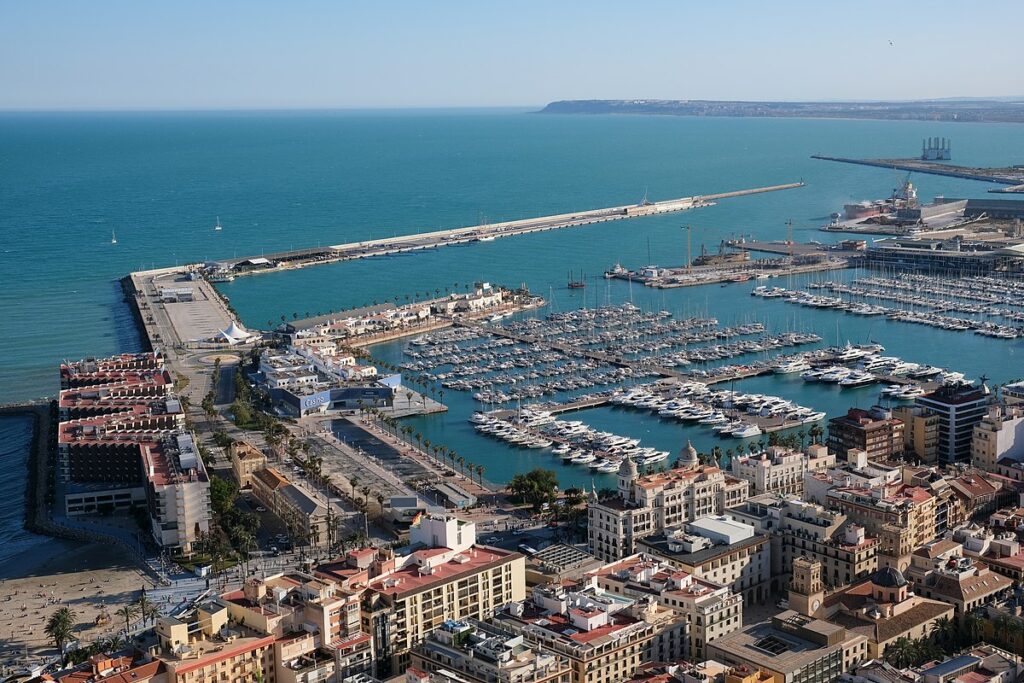
January 25, 2026Ever wondered what the next chapter in a centuries-old Mediterranean port’s story looks like in the age of decarbonization? Imagine yourself strolling along the breakwater at dock 19 in Alicante, where the air carries the gentle whoosh of turbines and the glint of solar panels instead of diesel haze. Not long ago, the Port Authority of Alicante threw down the gauntlet: they’ve launched a tender to build the port’s first dedicated renewable hydrogen production and supply hub. It’s a clever blend of the port’s time-honored trading roots with cutting-edge hydrogen infrastructure, turning this historic gateway into a springboard for sustainable energy.
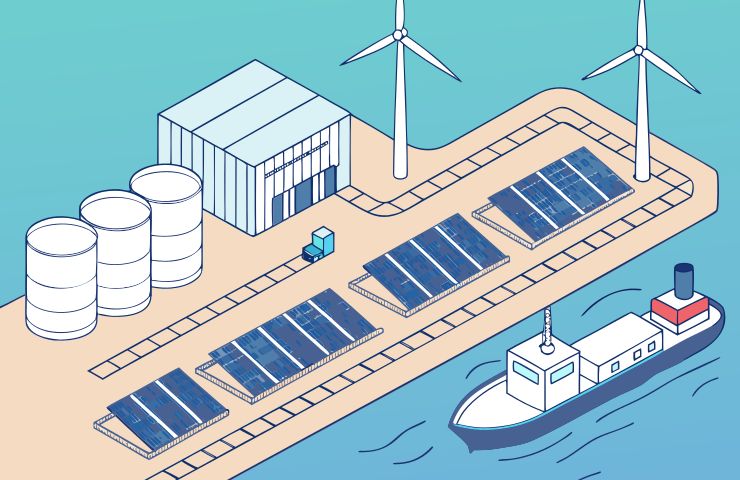
The invitation is simple but ambitious: teams are asked to design, build and run a hydrogen plant anchored by a roughly 1 MW electrolyzer. That system will sip power from solar panels and mini wind turbines scattered across more than 3 000 m² of breakwater real estate. On top of that, the winning bidder handles on-site hydrogen storage and sets up a network to fuel ships, port equipment and nearby trucks—all under a 30-year concession. It’s a long game designed to spark serious investment in green gigawatts and reliable hydrogen infrastructure.
Decarbonizing Maritime Hubs
Ports aren’t exactly clean. Between container ships, cranes and diesel tractors, they gobble up heavy fuels and crank out emissions. In Europe, shipping alone accounts for around 3 percent of greenhouse gases. For Alicante—one of Spain’s oldest trading ports—that new hydrogen plant could slice emissions dramatically. Swap out bunker fuel and diesel for high-purity hydrogen, and you’re not just cutting carbon—you’re quieting operations too. Plus, as carbon rules tighten and customers demand greenness, running on clean fuel helps keep budgets in line with future regs.
Powering Electrolysis with Sun and Wind
At the project’s core sits the electrolyzer, the workhorse that splits water into hydrogen and oxygen using electricity. But here’s the twist: instead of drawing juice from the grid, most of the power comes straight from on-site renewables. Photovoltaic panels soak up Mediterranean sunshine while compact wind turbines harness the coastal breeze. The result? A near off-grid hydrogen “island” where water, wind and sun team up for truly renewable hydrogen production. Any extra oxygen can be vented safely or even piped off for industrial use, boosting overall efficiency.
Versatile Fuel for Sea and Land
What makes hydrogen so exciting is its versatility. Vessels docking at Alicante could top off their tanks in mere minutes—just like filling up a car—without the sulfur or particulates that come with fossil bunker fuels. Back on land, forklifts, cranes and electric trucks tap into the same hydrogen supply, stitching maritime and inland logistics into a unified energy web. By breaking down silos, the port avoids a patchwork approach and paves the way for a truly integrated sustainable energy ecosystem.
A 30-Year Concession to Attract Investment
Probably the most eye-catching detail is the 30-year concession. Locking in long-term operational rights gives investors the runway they need to recoup heavy upfront costs—think electrolyzers, storage tanks and pipelines. Interested firms must hand over a full playbook: preliminary engineering sketches, an operations blueprint, a commercial roadmap and a robust financial plan proving the project stacks up. This public-private partnership model marries the port’s land and regulatory know-how with the technical chops of hydrogen and renewable energy pros.
Aligning with EU Climate Ambitions
This scheme slots right into the European Green Deal and the EU’s Fit for 55 agenda, both aiming for a 55 percent cut in net emissions by 2030. It also echoes the Port Authority’s own Strategy for Energy Transition and Efficiency, which highlights digitalization, electric mobility, rooftop solar and blue hydrogen testing. By weaving hydrogen into its energy mix, Alicante isn’t just ticking regulatory boxes—it’s jockeying for first-mover advantage in the booming green hydrogen market.
Roots in Sustainable Experiments
Of course, Alicante didn’t leap straight into hydrogen. Over the past decade the port has rolled out EV charging stations, digitized logistics workflows, mounted solar panels on warehouse roofs and trialed small-scale wind turbines. It even joined the VAHIA 2030 cluster to explore hydrogen business cases. The new PORTALI-H2 tender feels like the natural next step—a pivot from pilots and mock-ups to full-on commercial renewable hydrogen production.
Collaboration and Detailed Requirements
Applicants will get about 500 m² at dock 19 for the core installation, plus over 3 000 m² on the breakwater for solar and wind gear. They need to deliver a coherent project plan covering works, facilities and supply logistics; a go-to-market strategy targeting ships, port machinery and land transport; plus a detailed economic-financial model that proves investor confidence. The Port Authority emphasizes expertise in electrolysis, hydrogen storage and renewable energy integration—so proposals should show how different players will team up and share risks.
Navigating Practical Hurdles
Building a hydrogen hub in a live port is no walk in the park. Construction must avoid disrupting vessel movements or cargo handling. Storage vessels have to meet stringent safety and pressure rules. Noise, sightlines and coastal aesthetics are under the microscope as well—designs need to blend with the seaside vibe. But these challenges aren’t show-stoppers. Modular plant designs let you phase in capacity, and Spain’s permitting process lays out clear guidelines for renewable and hydrogen ventures.
Blueprint for Mediterranean Ports
If Alicante pulls this off, it could set off a domino effect across the Mediterranean. Countless ports face similar emission targets and operational pressures. The recipe here—on-site renewables, a long-term concession and integrated hydrogen supply—offers a playbook anyone can follow. It shows how public authorities can spark private funding and technological expertise, turning bold climate goals into tangible assets from Valencia to Marseille.
Next Steps in the Tender
With bids now open, the Port Authority will spend the coming months sizing up proposals. They’ll zero in on technical feasibility, financial strength and environmental alignment. Once a partner is chosen, detailed engineering, permitting and then construction will kick things off—leading to Alicante’s very own hydrogen-powered logistics node.
It’s still early days, but Alicante’s bold tender poses an enticing question: could hydrogen bunkering and port machinery fueling soon be as routine as diesel fill-ups? This project is about to take that idea for a real-world spin—and the results may just chart the course for ports across Europe eager to marry historic roots with a zero-emission future.

 With over 15 years of reporting hydrogen news, we are your premier source for the latest updates and insights in hydrogen and renewable energy.
