Sustainable Energy Surge in South Korea: 2026 Budget Doubles Renewables, Maintains EV & Hydrogen Subsidies
January 6, 2026South Korea’s 2026 budget is a game-changer for its sustainable energy transition. On January 2026, the Ministry of Climate, Energy and Environment rolled out plans to nearly double funding for renewable energy projects to KRW 648 billion (US$440 million) and, in a surprise move, froze the gradual cuts to per-vehicle subsidies for electric and hydrogen cars. This mix of bold renewable bets and steady incentives for zero-emission technology sets the stage for a whole new chapter in the country’s green push.
Doubling Down on Renewables
In a gutsy play, the Ministry earmarked almost twice last year’s pot to turbocharge three headline initiatives:
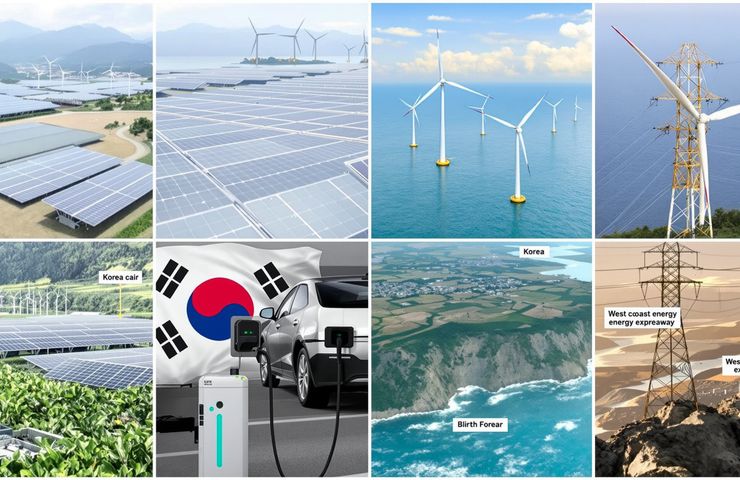
- RE100 industrial complexes: manufacturing parks running solely on renewables—perfect for global players chasing carbon-neutral output.
- Agrivoltaic solar: solar panels hovering above crops, squeezing out more from the same patch of land, stabilizing power and protecting harvests.
- Offshore wind: fresh turbine projects off the West Coast, blending fixed and floating setups to harvest those reliable ocean breezes.
Why? South Korea has slim fossil fuel reserves, and with EV take-up leaping from about 100,000 in 2021 to 201,000 in 2025, it’s clear we need to ramp up renewables if we’re serious about industrial decarbonization.
Building the Backbone: HVDC and Heat Pumps
But it’s not just about cranking out more green power. Seoul’s also beefing up the grid and greening up buildings:
- HVDC West Coast energy expressway (KRW 12 billion): high-voltage direct-current lines slashing transmission losses from coastal wind farms to inland hubs.
- Heat pump technology subsidies (KRW 1.3 billion): helping social welfare centers swap out oil- and gas-fired boilers for efficient heat pumps.
These upgrades will smooth the flow of green juice and cut heating emissions in underserved communities, keeping the energy system robust and fair.
Steady Support for Zero-Emission Vehicles
On the roads, the government hit pause on reducing grants for electric and hydrogen cars, locking them at 2025 levels. Folks scrapping petrol or diesel wheels score an extra KRW 1 million bonus, and a brand-new EV safety insurance scheme tackles those nerve-wracking battery-fire liability worries. Plus, there’s a dedicated KRW 177.5 billion ‘EV transition support’ fund to grease the shift toward electric and fuel-cell drivetrains.
By keeping incentives solid and welcoming hydrogen infrastructure investments, South Korea’s ensuring the transport sector’s rapid decarbonization rolls on—because hydrogen fuel cells deserve the same spotlight as batteries in tomorrow’s eco-friendly logistics.
Strategic Ripples Across the Economy
This 2026 package isn’t just a budget line—it’s a domino setup with perks everywhere:
- Market momentum: Steady grants keep EV and fuel-cell sales humming, giving automakers the confidence to scale up.
- Grid resilience: New HVDC lines and future battery storage help absorb more variable renewables without a hitch.
- Land-use efficiency: Agrivoltaic pilots show up to 70% more productivity on the same plots.
- Industrial migration: Green-flavored RE100 zones could lure multinational manufacturers hunting for clean-energy sites.
- Social uplift: Heat pumps lower bills and emissions in care homes and public housing, boosting community well-being.
- Job creation: Renewables builds and EV rollouts promise thousands of new roles in construction, engineering and upkeep.
- Energy security: A diversified supply shields against wild global fuel-price swings.
- Emission cuts: Together, booming renewables and zero-emission vehicles could shave millions of tonnes of CO₂ every year.
Looking Beyond 2026
This shift—from phasing out subsidies to doubling down on green investment—speaks volumes about South Korea’s commitment to net-zero by 2050 and its Paris Agreement goals. It also lays the groundwork for next-phase electrolysis projects to churn out green hydrogen, feeding domestic plants and ammonia production for cleaner exports.
For the hydrogen fuel cells world, the memo is loud and clear: refueling stations and supply chains will get the backing they need. But talk is cheap—turning these allocations into real-deal solar fields, wind farms and charging/refueling networks will be the ultimate test. Will the projects hit their targets on time? Can manufacturers ramp up next-gen vehicle lines? And will drivers jump on the scrappage bonuses and new insurance plans? We’ll be watching every milestone as South Korea charts its path toward full-scale industrial decarbonization.

 With over 15 years of reporting hydrogen news, we are your premier source for the latest updates and insights in hydrogen and renewable energy.